





Step 1: Find the Sunniest Spot
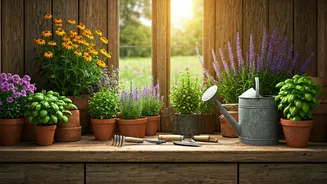
Before you buy a single seed, find the right location. Most vegetables are sun-lovers and need at least 5-6 hours of direct sunlight every day. Observe your balcony, windowsill, or terrace throughout the day. Where does the sun stay the longest? That’s
your prime real estate for gardening. An east-facing spot gets gentle morning sun, while a south or west-facing one gets strong afternoon light. Don't worry if you don't have the perfect spot; many leafy greens like spinach can manage with a little less sun. The key is to watch and learn your space before you plant.
Step 2: Master the Potting Mix
Good soil is the secret to happy plants. Forget digging up garden soil, which can be heavy and contain pests. For container gardening, the easiest and most effective solution is a simple, homemade potting mix. The magic formula is equal parts: 1 part garden soil, 1 part cocopeat, and 1 part compost (like vermicompost). Cocopeat helps retain moisture and keeps the soil light, while compost provides essential nutrients. You can find these components at any local nursery or online. This lightweight, nutrient-rich mix gives your vegetable roots the perfect environment to thrive without becoming waterlogged.
Step 3: Choose Your Seasonal Champions
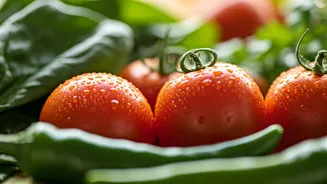
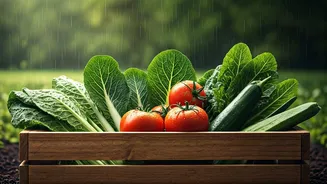
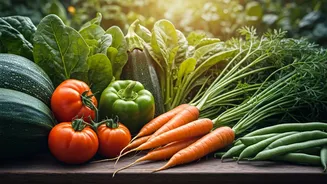
The key to an 'easy' garden is growing what *wants* to grow right now. Fighting the season is a recipe for frustration. Here are some beginner-friendly choices for India’s main growing seasons: For Summer & Monsoon (March - September): * Tomato (Tamatar): A true classic. Starts easily from seed and rewards you with juicy fruit. * Brinjal (Baingan): A hardy plant that loves the heat and produces for a long time. * Okra (Bhindi): Thrives in hot, humid weather and grows very quickly. * Chillies (Mirch): Easy to grow in pots and you’ll have a fresh supply for all your cooking needs. For Winter (October - February): * Spinach (Palak): A cool-weather star. You can harvest leaves repeatedly from the same plant. * Radish (Mooli): Incredibly fast-growing. You can go from seed to harvest in just over a month. * Coriander (Dhania): A must-have in any Indian kitchen. Prefers cooler weather. * Carrots (Gajar): Choose shorter varieties for pots. The taste of a homegrown carrot is unbeatable.
Step 4: The Art of Sowing Seeds
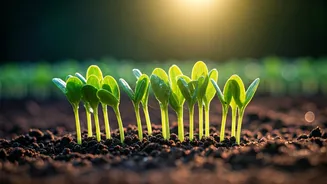
You have your spot, your pots, and your seeds. Now for the fun part. Fill your containers with the potting mix, leaving about an inch of space at the top. Moisten the soil lightly with water. For most seeds, a good rule of thumb is to plant them at a depth of twice their diameter. For tiny seeds like coriander or spinach, you can simply sprinkle them on the surface and cover with a very thin layer of soil. Don’t overcrowd your pot. Give each plant space to grow. After sowing, water gently with a light spray so you don’t dislodge the seeds.
Step 5: The Golden Rule of Watering
The most common mistake new gardeners make is overwatering. It's better to underwater slightly than to drown your plants. So, how do you know when to water? Use the finger test. Stick your index finger about an inch into the soil. If it feels dry, it’s time to water. If it feels moist, wait another day. Water the soil, not the leaves, to prevent fungal diseases. Water deeply until you see a little bit of drainage from the bottom of the pot. This encourages roots to grow deep and strong. In peak summer, you may need to water daily, while in winter, it might be every few days.
Step 6: Basic Care and First Harvest
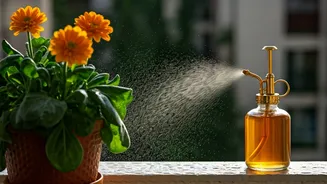
As your plants grow, keep an eye out for pests. The easiest, most organic way to handle common pests like aphids is a simple neem oil spray. Mix a few drops of neem oil with a drop of liquid soap in a litre of water and spray it on the leaves every couple of weeks as a preventative measure. Once your veggies start to appear, the real joy begins. Harvesting regularly actually encourages many plants, like bhindi, chillies, and spinach, to produce more. There is nothing more satisfying than cooking a meal with ingredients you grew yourself, just a few steps from your kitchen.