




The Glow We're Escaping
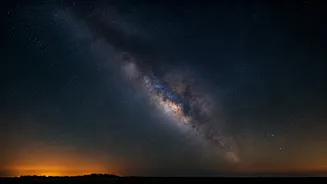
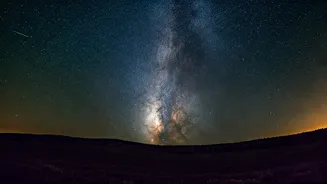
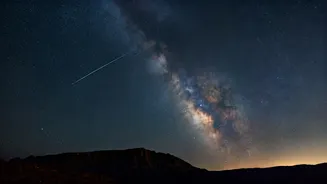
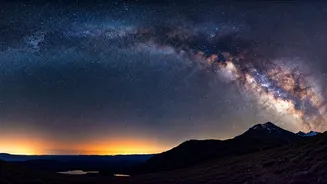
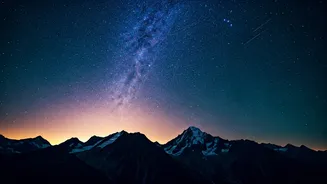
For most of human history, the night was properly dark, lit only by the moon and a breathtaking canopy of stars. Today, for a vast majority of people living in and around cities, that experience is lost. The culprit is light pollution, the pervasive orange-grey
glow that blankets our urban centres. More than just obscuring the Milky Way, this constant artificial brightness has been linked to disruptions in our sleep patterns and can negatively impact local wildlife. As our cities have grown brighter, an innate craving for true darkness and a connection to the natural world has quietly grown, sparking a new travel movement: astrotourism.
The Rise of the Celestial Getaway
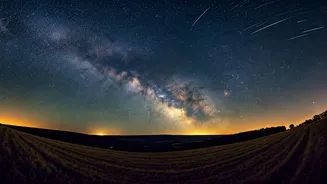
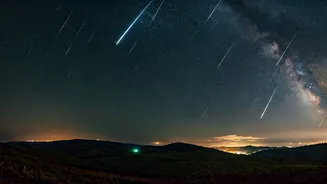
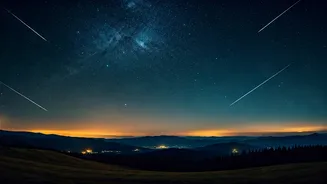
Astrotourism, or dark sky tourism, is the simple, yet profound, act of travelling to remote locations specifically to experience a night sky free from light pollution. This isn't just for professional astronomers. It's for anyone feeling the fatigue of screen time and the desire for a sense of wonder. The experience is often described as therapeutic—a moment of stillness that puts our daily worries into cosmic perspective. In India, this trend is rapidly gaining momentum, with travellers increasingly willing to journey for a glimpse of the cosmos in its full glory. It's being seen as the next frontier of nature-based, sustainable tourism, offering a way to find peace while supporting rural economies.
India's Starry Sanctuaries
India's diverse geography offers a spectacular canvas for stargazers. The undisputed champion is Hanle in Ladakh, which was officially designated as India’s first Dark Sky Reserve in December 2022. Situated at a high altitude with a dry climate and minimal light pollution, it offers some of the clearest skies in the world. But you don't have to go all the way to Ladakh. Spiti Valley in Himachal Pradesh offers similarly dramatic, star-filled nights from villages like Kaza and Kibber. The vast, flat expanse of the Rann of Kutch in Gujarat creates an unforgettable contrast between the white salt desert and the infinite sky. Other emerging hotspots include Neil Island in the Andamans, parts of Rajasthan like Jaisalmer, and hill stations in Uttarakhand.
More Than Just Pretty Stars
The appeal of a dark sky weekend goes beyond just aesthetics. It’s a full-body reset. Being in a truly dark environment can help reset our natural circadian rhythms, leading to better sleep. It's also an enforced digital detox, as many of these prime stargazing spots have limited connectivity, encouraging travellers to disconnect from their devices and reconnect with their surroundings and each other. Furthermore, this trend is fostering sustainable development. In places like Hanle, locals are being trained as 'Astronomy Ambassadors', creating new livelihoods that are intrinsically tied to preserving the natural environment. Initiatives in states like Uttarakhand are also exploring how to blend astrotourism with rural revival, bringing life back to forgotten villages.
Planning Your First Cosmic Trip
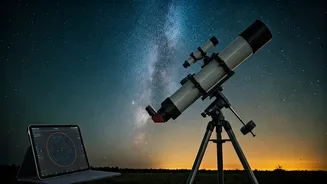
Intrigued? Getting started is easier than you think. The key is to get as far away from city lights as possible. Check the lunar calendar and plan your trip around a new moon for the darkest possible skies. While a high-end telescope is a great tool, you don’t need one to start; a good pair of binoculars can reveal stunning details of the moon and brighter star clusters. Many destinations now have local guides or dedicated astrotourism companies that offer guided sessions. Pack warm layers, as even in warmer climates, nights can get chilly. Most importantly, give your eyes at least 20-30 minutes to adjust to the darkness. Put your phone away, lie back, and let the universe reveal itself.