





Why the Junction Matters
The most immediate concern with a hotel near a busy junction is noise. Constant traffic, honking, and sirens can severely disrupt sleep, especially for light sleepers. Noise is one of the top complaints among hotel guests, and a room facing a major road
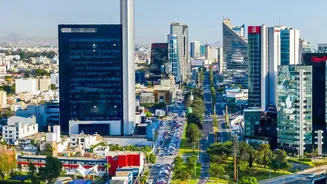
is a primary source of it. Beyond noise, there’s the issue of air and light pollution. Proximity to heavy traffic can mean lower air quality, and the constant glow from streetlights and vehicle headlights can disturb your rest. Safety can also be a concern, particularly for pedestrians trying to navigate complex intersections. While hotels near major roads are common for their visibility and accessibility, it’s a trade-off that directly impacts guest comfort.
Your Digital Scouting Toolkit
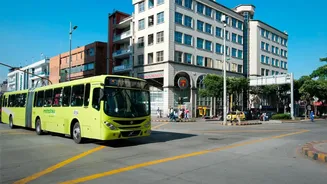
Thankfully, you don't have to book blind. Your best tool is an online map. Use Google Maps to get a clear picture of your hotel's surroundings. Start with the satellite view to see the physical layout. Is the hotel on a main arterial road or tucked away on a side street? Next, use the Street View feature to take a virtual walk around the block. This allows you to see the number of lanes, the presence of traffic lights, and the general condition of the area. Look for visual clues like bus stops, which indicate public transport access but also more frequent stopping and starting of vehicles. The map's traffic layer can also show you typical congestion patterns at different times of the day, giving you an idea of when the junction is busiest.
Decode Reviews and Descriptions
Hotel descriptions often use vague terms like “centrally located” or “excellent transport links.” These can be code for “next to a loud, busy road.” The real intelligence comes from recent guest reviews. Don’t just look at the overall score; read the 3-star reviews, as they often provide the most balanced feedback. Search reviews for keywords like “noise,” “traffic,” “intersection,” “sirens,” or “loud.” A single complaint might be an outlier, but if multiple recent reviews mention the same noise issue, it’s a red flag. Pay attention to how the hotel management responds to these negative reviews. A thoughtful response that acknowledges the issue and offers a solution is a good sign.
The Unexpected Perks of a Busy Corner
While the downsides are significant, a busy junction isn't always a deal-breaker. For many travelers, the convenience is worth it. These locations often offer superior access to public transportation, making it easier and cheaper to explore the city. A bustling intersection is also likely to be surrounded by amenities like restaurants, shops, and pharmacies that are open late. For some, the energy of a busy street is part of the urban travel experience. Furthermore, high-traffic areas are often better-lit and can feel safer due to the constant presence of people and activity, especially at night. The key is to know what you’re signing up for and whether it matches your travel style.
How to Secure a Quieter Stay
If you decide to book a hotel near a junction or are already committed, you can still take steps to mitigate the noise. When booking, specifically request a quiet room. Ask for a room on a higher floor and one that faces away from the main street, perhaps overlooking an inner courtyard. It's also wise to ask for a room away from internal noise sources like elevators, ice machines, and housekeeping stations. If you're particularly sensitive to noise, it's worth calling the hotel directly before booking to ask about their quietest rooms and any potential for construction or event noise nearby. Once there, if the noise is still an issue, don't hesitate to speak with the front desk about the possibility of changing rooms.