
The Anatomy of a Timeless Style
What gives a hairstyle its enduring power? It comes down to a few key elements: versatility, elegance, and a flattering structure. Classic hairstyles are defined by balanced proportions and clean lines that complement, rather than overpower, one's features.
Styles like Old Hollywood waves or a simple chignon work for a wide variety of occasions, from formal galas to casual events, and suit many different face shapes and hair types. Their beauty lies in their simplicity and grace, allowing them to feel sophisticated without ever seeming dated. Unlike trend-heavy looks, a classic cut is designed to grow out gracefully and require minimal effort to look polished. This low-maintenance appeal is a major reason they remain staples for both celebrities and stylists.
Case Study: The Hollywood Wave
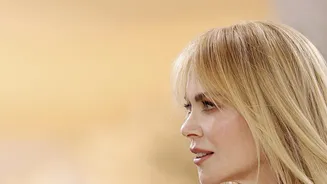
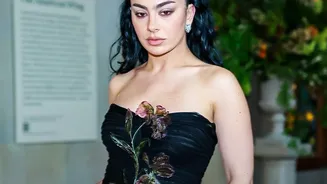
Few hairstyles scream 'red carpet glamour' quite like Old Hollywood waves. Characterised by a deep side part and perfectly sculpted, glossy waves, this style has been a go-to for decades. Icons from Grace Kelly to modern stars like Blake Lively and Zendaya have all embraced its sophisticated charm. The look exudes confidence and flatters nearly every face shape. Its timelessness comes from its structure; it’s polished and intentional, yet it moves with a softness that feels effortlessly elegant. Stylists note that the secret isn't just the curl, but the preparation—pinning curls to cool and using serums to create a high-shine, 'spun silk' finish ensures the look is glamorous and powerful.
Case Study: The Enduring Updo
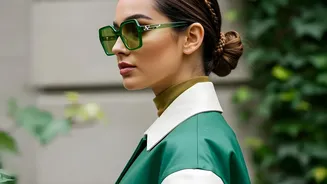
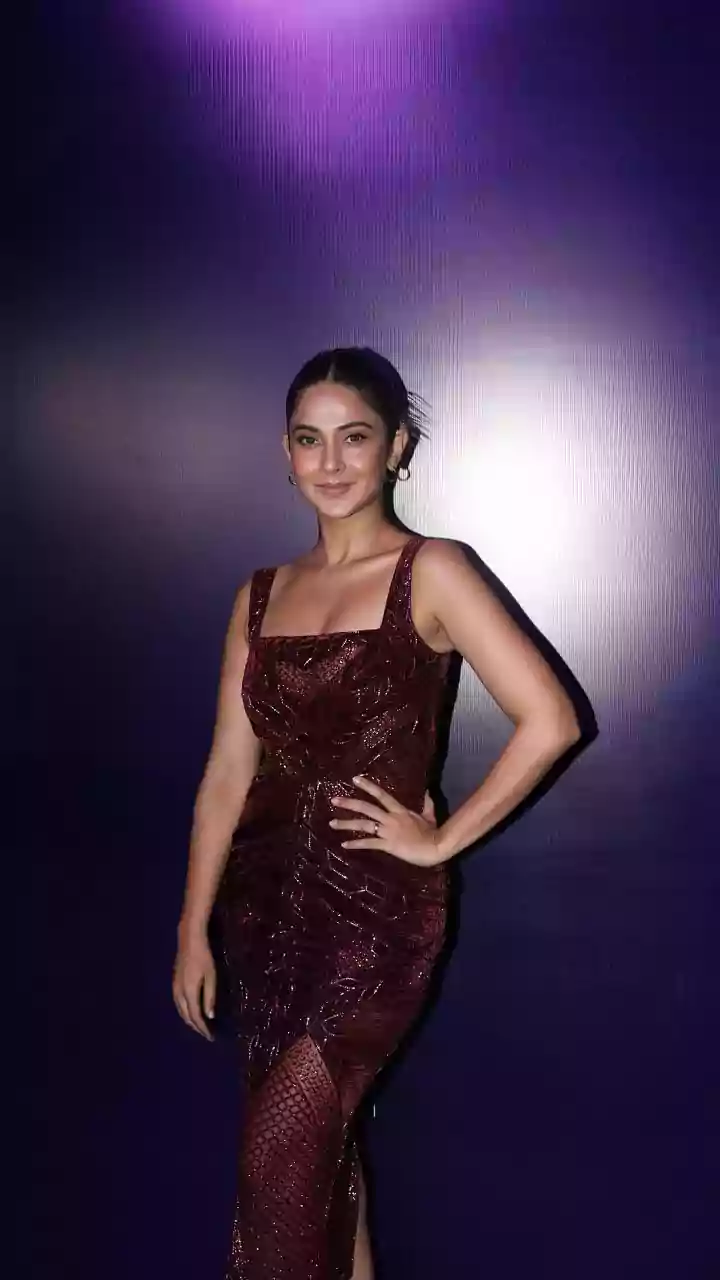
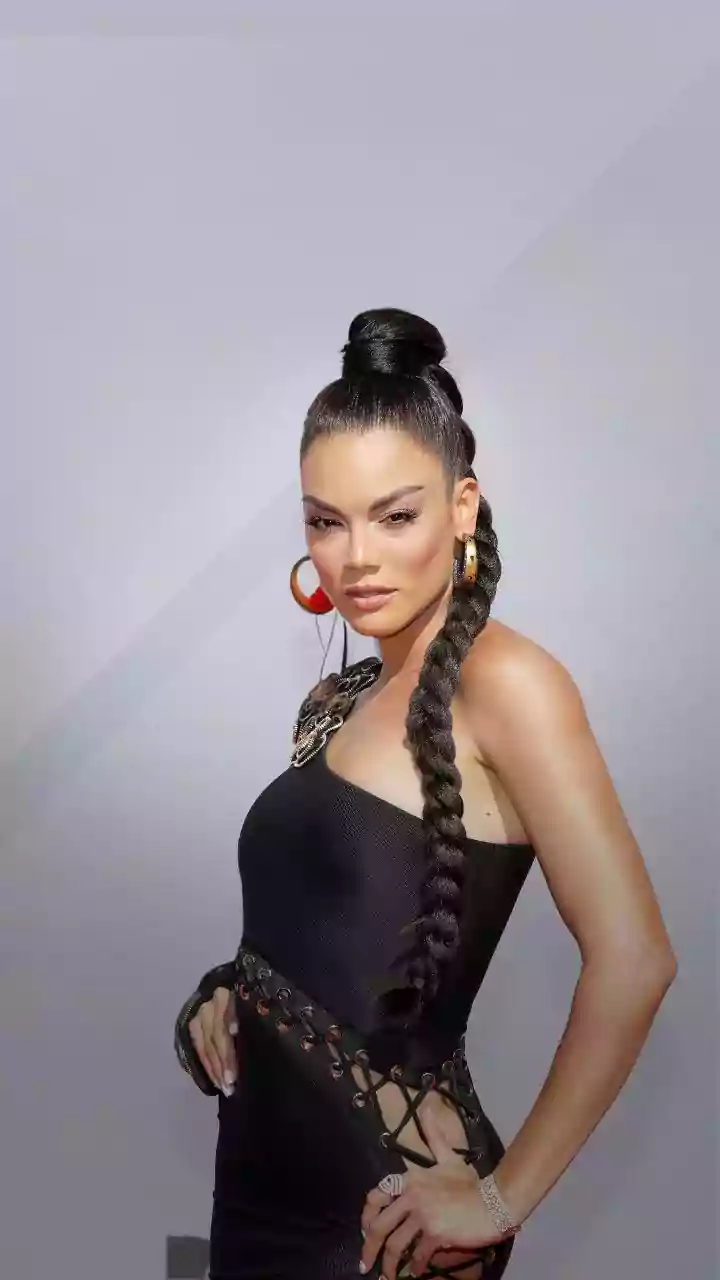
The chignon, a simple bun gathered at the nape of the neck, is another pillar of timeless red carpet style. Its French origins speak to its inherent chicness, offering a look that is both understated and incredibly elegant. Celebrities from Audrey Hepburn to Anne Hathaway have demonstrated its versatility. It can be worn sleek and minimal with a sharp center part or softened with face-framing tendrils for a more romantic feel. The chignon’s power lies in its clean silhouette, which draws attention to the neckline and face. Whether worn as a simple knot or an intricate braided style, the updo remains a symbol of polished grace that never fails to look sophisticated.
The Sugar Rush of a Fleeting Trend
So why do we fall for short-lived trends? Trends are exciting, expressive, and often tied to a specific cultural moment. In the age of social media, particularly TikTok, the hair trend cycle has accelerated dramatically. Styles like the 'wolf cut', a hybrid of a shag and a mullet, or 'E-girl' hair, characterized by chunky, face-framing highlights in contrasting colors, explode in popularity seemingly overnight. These looks are bold, edgy, and allow for a high degree of personalization and rebellion against classic norms. They're fun, they make a statement, and they tap into the collective energy of a moment, making them irresistible for those looking to experiment with their look.
From Viral to Vanished
However, the very things that make trends exciting often limit their lifespan. Many are high-maintenance; the wolf cut requires specific layering and styling to avoid falling flat, while bold color streaks need constant touch-ups to prevent fading. High-contrast balayage and ultra-long extensions are other trends that have recently seen a decline, with tastes shifting towards more natural and low-maintenance looks. Trends can also be tied too closely to a specific youth subculture, like the anime and grunge-inspired E-girl aesthetic, making them feel dated once the cultural moment passes. A hairstyle that feels rigid or requires constant upkeep often fades as people gravitate back toward styles that are more adaptable and less demanding.