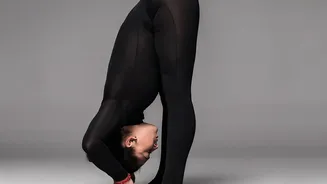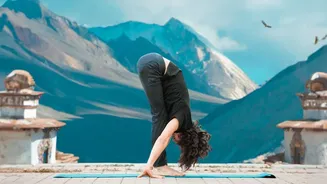




The Seated Forward Bend, or Paschimottanasana, is a cornerstone of many yoga practices, praised for its deep stretch and calming effects. But the gulf between the perfect images and the reality of tight hamstrings can be vast and frustrating.
The Promise of the Pose
In the world
of yoga, Paschimottanasana is often presented as a cure-all. Ancient texts and modern gurus alike have claimed it can do everything from stimulate internal organs and improve digestion to calm the mind and relieve stress. It’s hailed as a pose that stretches the entire back side of the body, from the heels to the neck, making it a powerful tool for flexibility. This deep forward fold is often sequenced near the end of a class to quiet the nervous system and encourage a state of introspection and surrender. Given these grand claims, it’s no wonder that practitioners often approach the pose with high expectations, striving to fold completely in half.
A Reality Check on Benefits
While some claims are exaggerated, the tangible benefits of a well-executed Seated Forward Bend are significant. Its most recognised effect is a deep stretch of the posterior chain: the calves, hamstrings, and the muscles along the spine. Scientific studies have confirmed its effectiveness in improving hamstring flexibility. The gentle compression of the abdomen during the fold can also massage the digestive organs, which may aid in stimulating digestion and relieving minor issues like bloating. Furthermore, the focus required for a slow, deep forward bend, combined with mindful breathing, can help activate the parasympathetic nervous system, our 'rest and digest' state, thereby genuinely helping to reduce feelings of stress.
The Goal Is Not to Touch Your Toes
One of the biggest misconceptions about Paschimottanasana is that the goal is to grab your feet or touch your forehead to your knees. This focus on achieving a specific shape often leads to the most common mistake: rounding the back. When you curve your spine to force your head down, you shift the stretch away from the hamstrings and can put unnecessary strain on the vulnerable discs of your lower back. The true purpose is to lengthen the spine and hinge forward from the hips. The actual depth of the fold is secondary to the quality of the alignment. For many people, a 'perfect' pose may involve bent knees or the use of a strap, and that is not only acceptable but often more beneficial.
Technique Over Depth: A How-To
To approach the pose safely, begin by sitting on the floor with your legs extended in front of you (Dandasana or Staff Pose). You might sit on the edge of a folded blanket to help tilt your pelvis forward. Inhale to lengthen your spine, sitting up tall. As you exhale, begin to hinge forward from your hip creases, not your waist. Imagine your belly moving toward your thighs, keeping your chest open and spine long. Let your hands rest wherever they naturally reach—your shins, ankles, or feet—without pulling or forcing. A yoga strap looped around your feet can be a great tool to help maintain a long spine without straining.
Finding Comfortable Breathing
The headline's focus on 'comfortable breathing' is crucial. As you fold forward, the diaphragm can become compressed, making breathing feel tight or restricted. This is a sign to ease up. The breath should be your guide. Use your inhalations to create a little more length in your spine, subtly lifting your chest. Use your exhalations to gently release and perhaps deepen the fold, surrendering to the stretch without force. If you find yourself holding your breath, you have gone too far. Back off until you can maintain a steady, smooth rhythm. This conscious breathing keeps the practice safe and transforms it from a mere physical stretch into a meditative experience.
Listen to Your Body: Contraindications
Paschimottanasana is not suitable for everyone. Individuals with acute lower back injuries, such as a herniated disc or sciatica, should approach this pose with extreme caution or avoid it altogether. The same applies to those with hamstring injuries, recent abdominal surgery, or severe asthma. If you feel any sharp, shooting pain, especially in the lower back or down the leg, you should immediately and gently come out of the pose. The mantra of any yoga practice applies here: honour your body's limits. Patience is more important than performance.