





Why Rain Wreaks Havoc on Hair
While rainwater itself is naturally soft, it collects pollutants, dust, and acidic compounds from the atmosphere before it reaches you. This mixture can disrupt your hair and scalp's natural pH balance, causing the hair's protective outer layer—the cuticle—to
lift and swell. This is what leads to frizz, roughness, and makes your hair feel unmanageable. Furthermore, dampness combined with the high humidity typical of monsoon season creates a perfect breeding ground for bacteria and fungi, which can lead to dandruff, itchiness, and other scalp infections. Your hair is also at its weakest when wet, making it much more susceptible to breakage.
Immediate Action: Blot, Don't Rub
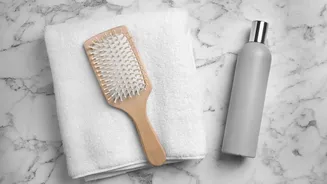
The moment you get indoors, your first instinct might be to vigorously rub your hair with a towel. Resist this urge. Harsh rubbing roughens up the already vulnerable hair cuticles, leading to more frizz and potential breakage. Instead, gently blot or squeeze the excess water from your hair. For best results, use a soft microfibre towel or even an old cotton t-shirt, as these materials are much gentler on the hair shaft than traditional terry cloth towels. The goal is to remove as much moisture as possible without causing friction.
To Wash or Not to Wash?
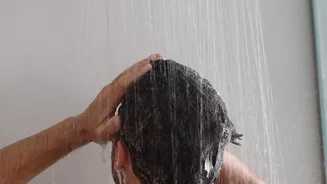
Whether you need to shampoo immediately depends on the situation. If you were only caught in a light drizzle, a simple rinse with clean water might be enough to wash away surface pollutants. However, if you were thoroughly soaked, especially in city rain, a proper wash is recommended. Use a mild clarifying shampoo to effectively remove dirt, pollutants, and residue that can irritate the scalp. Be mindful not to overwash your hair during the monsoon season, as stripping natural oils can sometimes make frizz worse. Washing two to three times a week is generally sufficient for most hair types.
Conditioning is Non-Negotiable
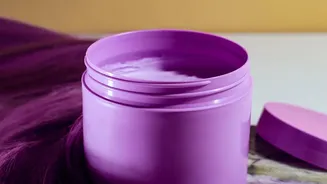
After cleansing, conditioning is a crucial step to restore smoothness and manageability. A good conditioner helps to seal the hair cuticle, which flattens the 'roof tiles' of your hair shaft, locking in moisture and locking out humidity. This directly combats frizz and makes hair easier to detangle. Apply conditioner primarily from the mid-lengths to the ends, leaving it on for a few minutes before rinsing thoroughly. If you have very fine or oily hair, use a lightweight formula to avoid weighing your hair down. For those with particularly dry or curly hair, a deep conditioning treatment or a leave-in conditioner can provide extra protection against the humid air.
The Golden Rule of Drying
Never, ever tie up wet or damp hair. Pulling your hair into a tight bun or ponytail when it's wet not only puts stress on the weakened strands, making them prone to snapping, but it also traps moisture against the scalp. This warm, damp environment is an open invitation for fungal growth, dandruff, and scalp irritation. It's essential to let your hair dry completely. Air-drying is the gentlest method. If you're short on time, use a blow-dryer on a cool or low heat setting to minimize damage. Always apply a heat protectant spray beforehand to shield your strands.
Taming Lingering Frizz and Tangles
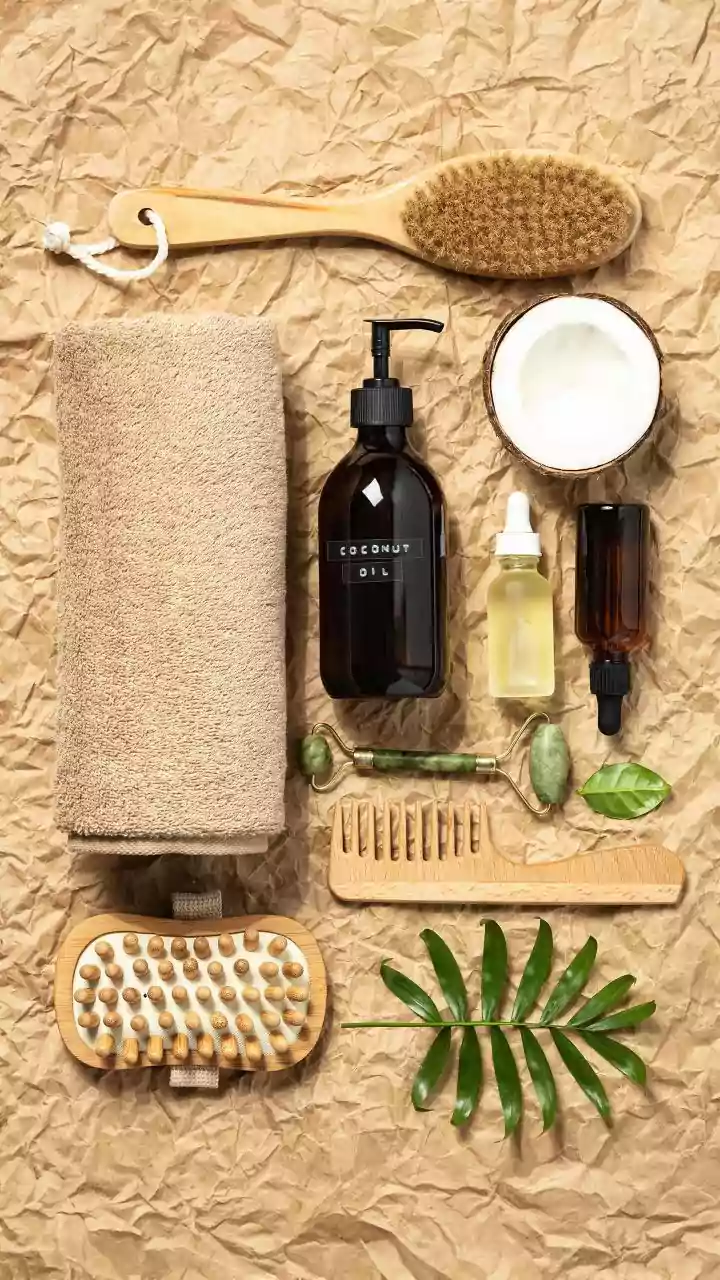
Even with the best care, some frizz might be inevitable. To tackle this, work a few drops of an anti-frizz serum or a lightweight hair oil through your dry hair to smooth the cuticle and add shine. When detangling, always start from the ends and gently work your way up to the roots using a wide-tooth comb. Never force a brush through wet, tangled hair, as this will lead to significant breakage. For a quick fix when you're out and about, a simple braid or a loose bun can help manage your hair until you can get home and care for it properly.