



A Nation United in Hope
The semi-final against Germany was meant to be the penultimate step on a glorious journey to a sixth World Cup title, won on home soil. It was supposed to exorcise the ghost of the ‘Maracanazo’, the infamous 1950 final loss to Uruguay in Rio. Despite
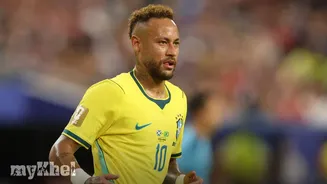
the absence of two key players—the injured superstar Neymar and the suspended captain Thiago Silva—the belief was unwavering. Millions of fans, from the packed Estádio Mineirão in Belo Horizonte to the beaches of Copacabana, held their breath. They wore Neymar masks and held up his jersey during the national anthem, a tearful David Luiz embodying the raw emotion of a team carrying the hopes of 200 million people on its shoulders. The stage was set for a heroic, hard-fought victory.
The Unthinkable Unfolds
The dream began to unravel just 11 minutes in. A corner kick, a lapse in marking, and Thomas Müller was free to volley Germany into the lead. It was a poor start, but recoverable. What happened next was not. In the 23rd minute, Miroslav Klose scored, becoming the all-time leading World Cup goalscorer. One minute later, Toni Kroos fired one in from the edge of the box. Two minutes after that, Kroos scored again. Before the stadium announcer had even finished declaring the previous goal, Sami Khedira made it 5-0 in the 29th minute. It was a statistical anomaly, a footballing nightmare materialised in real time. Four goals in the span of six minutes. The Brazilians on the pitch looked lost, their German counterparts clinical and almost bewildered by their own ruthless efficiency. The contest was over before the 30-minute mark.
Silence, Tears, and Disbelief
The sound inside the Estádio Mineirão transformed from a deafening roar to a haunting, collective gasp, and then, an eerie silence punctuated by sobbing. Television cameras panned across the stands, capturing the iconic images of the day: a man clutching a replica World Cup trophy, his face a mask of despair; a young boy, tears streaming down his face, his dreams crushed; thousands of fans staring blankly into the distance, unable to process the humiliation unfolding before them. Across Brazil, the party stopped. Fan zones fell quiet. The vibrant yellow shirts that had symbolised so much pride and optimism suddenly felt like a costume for a national tragedy. The collective shock was palpable. This wasn’t just a loss; it was a systematic dismantling of the world’s most celebrated footballing identity on its own sacred ground.
The Longest Second Half
The second half was one of the strangest in World Cup history. The result was a foregone conclusion, and the match played out like a mournful procession. Germany, showing a degree of professional mercy, eased off the relentless pressure but still managed to score twice more through substitute André Schürrle. His second goal, a thunderous strike in off the crossbar, made it 7-0 and added a final, brutal flourish to the scoreline. The German players seemed almost apologetic. When Oscar finally scored a consolation goal for Brazil in the 90th minute, there were no cheers. It was a goal that served only to highlight the chasm between the two teams. It prevented a complete shutout but did nothing to numb the pain. For the Brazilian players and their fans, the final whistle couldn't come soon enough.
The Scar of the 'Mineirazo'
In the aftermath, a new word entered the Brazilian lexicon: ‘Mineirazo’, the agony of the Mineirão, a spiritual successor to the ‘Maracanazo’ of 1950. The 7-1 defeat was more than just a shocking result; it was a national trauma, a moment of profound introspection about the state of Brazilian football and, for some, the state of the nation itself. It became a cultural touchstone for failure, a punchline used to describe any kind of disaster. For the players, it was a scar that would never fully fade. For the fans, it was the day the beautiful game turned ugly, leaving a football-mad nation utterly and completely heartbroken.