




The Power of the Line
At its core, a stripe is just a line. But when repeated, it creates rhythm and structure that the human eye finds deeply satisfying. Think about it: a crisp, striped shirt feels put-together, and a striped beach umbrella signals carefree fun. In home
decor, this same psychological effect applies. The clean, parallel lines of a striped pattern can make a chaotic space feel more orderly and intentional. They introduce a sense of movement and direction, guiding the eye and adding a layer of visual interest that a solid block of colour simply cannot match. Whether you’re aiming for playful energy or serene sophistication, stripes provide a reliable foundation.
Play with Direction and Perception
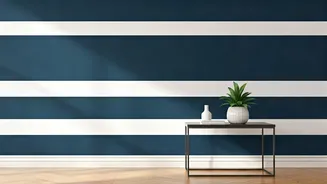
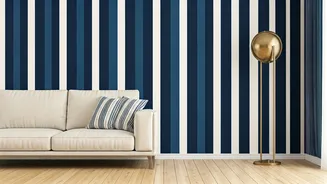
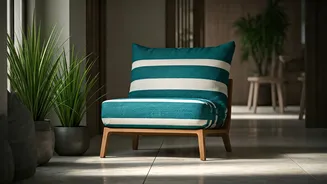
One of the most magical qualities of stripes is their ability to manipulate our perception of space. This is a classic trick used by designers for decades. Want to make a low-ceilinged room feel taller and more grand? Use vertical stripes. A striped wallpaper on an accent wall, floor-to-ceiling curtains with a vertical pattern, or even a tall, slender piece of furniture with striped upholstery will draw the eye upward, creating an illusion of height. Conversely, if you have a narrow room that you want to feel wider and more expansive, horizontal stripes are your best friend. A horizontally striped rug, painted stripes across the walls, or even striped bedding in a small bedroom can make the space feel broader and more open.
Consider Stripe Width and Colour
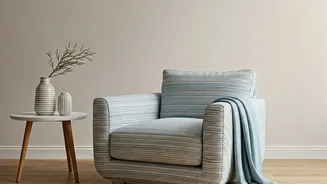
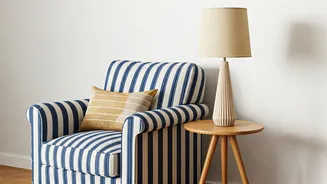
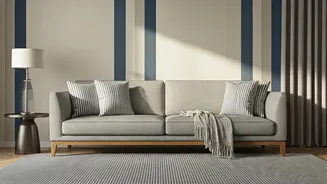
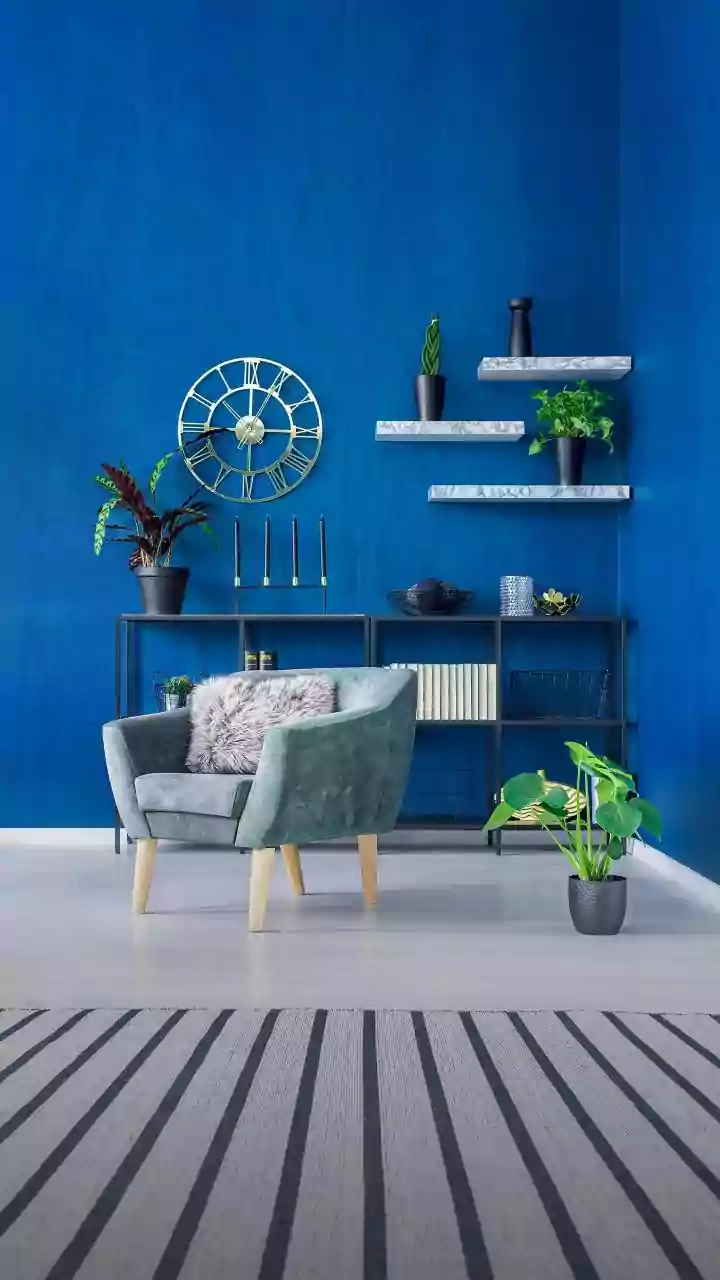
Not all stripes are created equal. Their personality changes dramatically based on their width and colour. For a bold, graphic, and high-energy statement, look no further than wide, high-contrast stripes like classic black and white or navy and cream. These work wonderfully on accent walls, large area rugs, or a statement armchair. If you prefer a more subtle, calming effect, consider thin, delicate pinstripes or 'ticking' stripes in soft, tonal colours. Think light grey and white, or beige and cream. These low-contrast patterns add texture and interest without overwhelming the space, making them perfect for bedding, upholstery on a sofa, or even an entire room's wallpaper for a serene, cocooning feel. Multi-coloured stripes, on the other hand, are all about fun and personality, ideal for a child's room or a creative space.
Start Small with Textiles
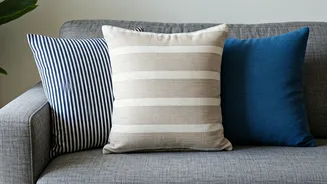
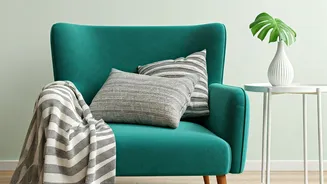
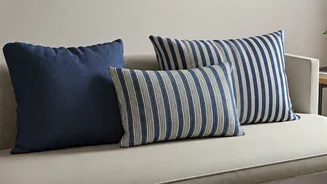
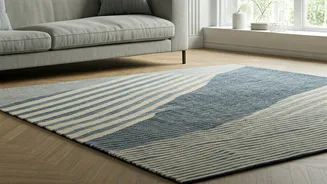
If you're hesitant to commit to a full striped wall, the easiest way to dip your toes into the trend is through textiles. This low-commitment approach allows you to experiment with different scales and colours. Throw a striped blanket over the arm of a neutral sofa. Add a few striped cushions to your bed or an armchair—this is a fantastic way to introduce a pop of colour and pattern. A striped runner in a hallway can instantly make the space feel longer and more welcoming. Similarly, a striped dhurrie or rug can anchor a seating area and define the space. Even small details like striped hand towels in a powder room or striped placemats on a dining table can add a touch of coordinated charm.
Mix Patterns Like a Professional
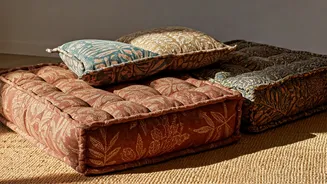
One of the reasons designers love stripes so much is that they act as a 'neutral' pattern. Their simple, geometric structure makes them incredibly easy to pair with other, more complex patterns. The key to successful pattern mixing is varying the scale. For instance, if you have a bold, wide-striped rug, you can pair it with cushions that have a small-scale floral or a delicate geometric print. The rule of thumb is to combine one large-scale pattern (your stripes), one medium-scale pattern (perhaps a floral), and one small-scale pattern (like a dot or a tight geometric). Keeping the colour palette consistent across the different patterns will help tie everything together, creating a look that is layered, sophisticated, and full of personality rather than chaotic.