





What Exactly Has Changed?
The change, confirmed by both Pentagon and State Department sources in recent days, involves the reclassification of certain US-origin weapons systems supplied to allies in the Persian Gulf. Specifically, military hardware provided to these nations before
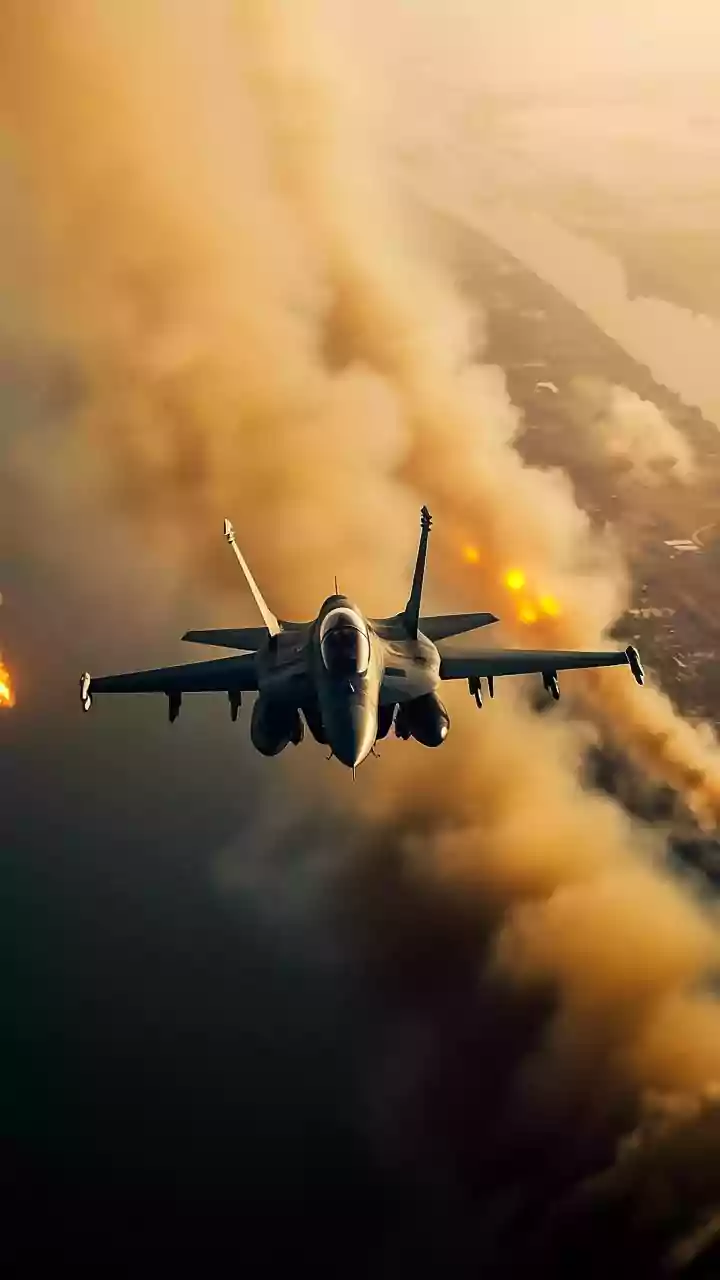
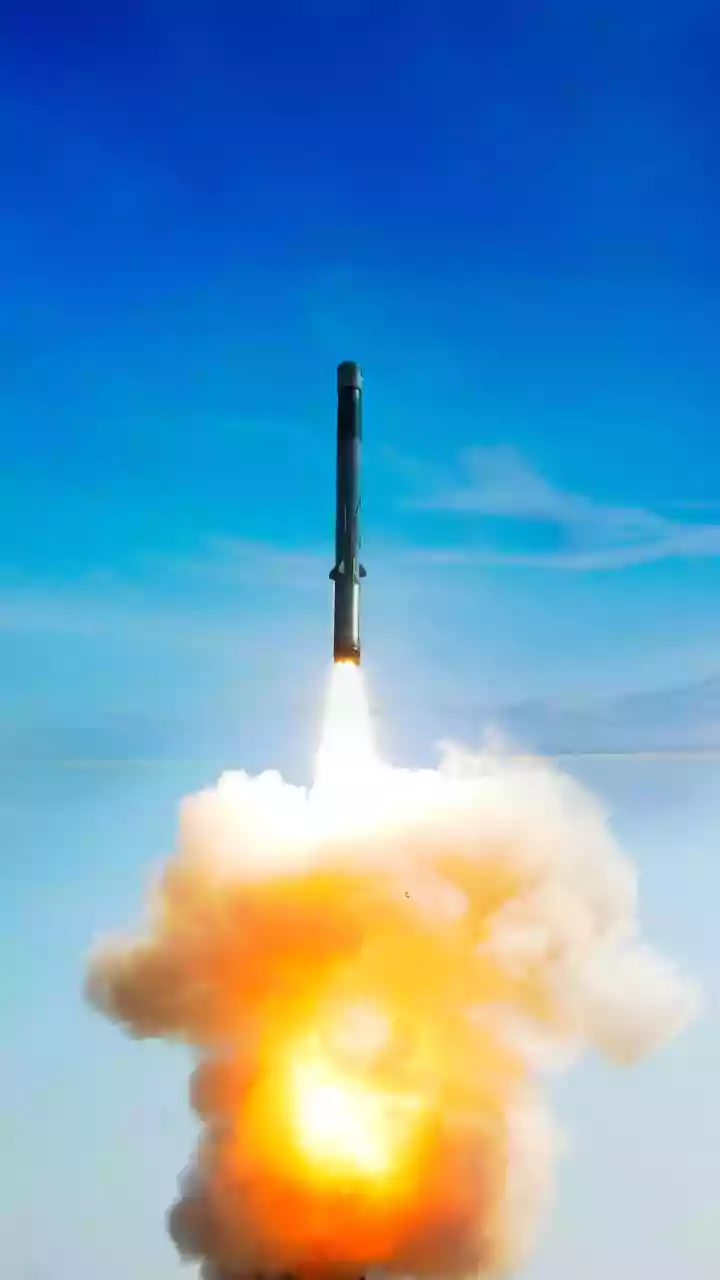
the recent escalation of the Iran conflict will no longer be labeled as 'active-conflict assets'. Instead, they are now officially designated as 'regional defense hardware'. This distinction applies to older, but still effective, systems such as previous-generation Patriot missile batteries, certain models of F-16 fighter jets, and other defensive platforms that form the backbone of several Gulf states' militaries. Officials have been quick to emphasize that this is a 'technical reclassification' and does not involve the physical movement or withdrawal of any armaments.
The Official Rationale
Publicly, American officials frame the move as a matter of legal and operational clarity. A State Department spokesperson explained the change is intended to more accurately reflect the nature and purpose of these weapon systems. The argument is that these older stockpiles are primarily for the sovereign defense of allied nations, separate from the newer, more advanced weaponry being used in direct connection with the ongoing conflict with Iran. By creating this distinction, the U.S. aims to clarify the rules of engagement for its forces and those of its allies. It provides a clearer line between assets dedicated to the long-term defense of a partner nation and those deployed for specific, ongoing offensive or counter-offensive operations related to the current conflict.
Reading Between the Lines
While the official explanation focuses on technical precision, most geopolitical analysts see a calculated diplomatic signal. This relabeling effectively creates two categories of American-supplied arms in the region: one for ongoing hostilities and another for baseline national defense. This could be a subtle but significant overture aimed at de-escalation. By formally classifying these older systems as 'defensive', Washington may be signaling to Tehran that its long-standing security partnerships in the Gulf are non-negotiable but distinct from the current conflict's objectives. It draws a line around its historical alliances, while potentially creating space for negotiations or a reduction in hostilities. This move also has legal implications, potentially affecting how international law and use-of-force agreements are interpreted regarding these specific assets.
Why Words Matter in War
In any conflict, the terminology used by governments is a critical tool of statecraft. How a weapon is labeled can influence everything from international treaties and trade restrictions to domestic political support for a war. The designation of Iran's Revolutionary Guard Corps (IRGC) as a terrorist organization, for example, triggered a host of sanctions and legal consequences. Similarly, the term 'exquisite class weaponry' has been used to describe high-end systems to underscore American military superiority. This recent change in labels for older weapons is part of that same tradition. It's a non-violent action intended to shape the strategic environment. By managing the language of conflict, the United States seeks to manage the conflict itself—reassuring allies, signaling intentions to adversaries, and defining the legal and political boundaries of its military engagement.