


Spring: A Fresh, Green Awakening
As the winter chill thaws, the first wave of vibrant, tender fruits arrives, offering a welcome dose of freshness. This is the time for delicate berries and tart flavors that shake off the heaviness of winter meals. Because these are the first local harvests
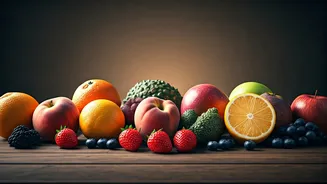
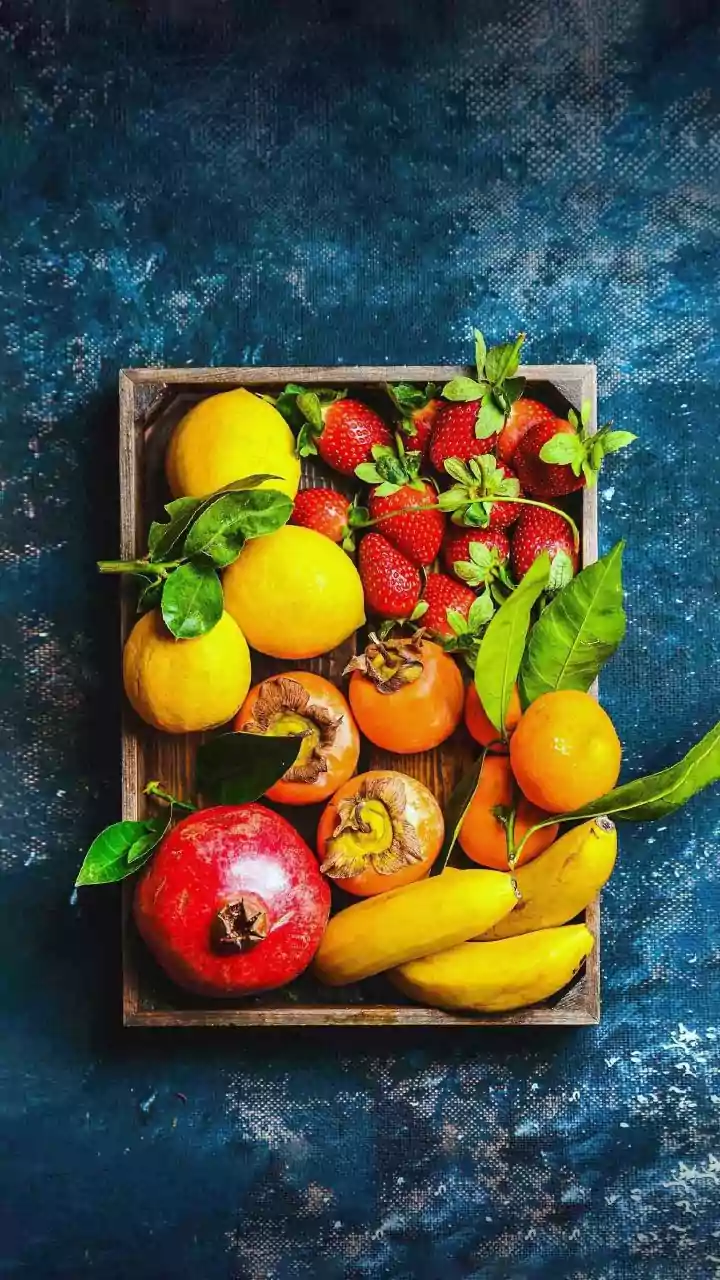
of the year, they are often bursting with flavor that can't be matched by their out-of-season, shipped-from-afar counterparts. Strawberries: While available year-round, peak-season strawberries (typically late spring to early summer) are a different experience entirely. They are sweeter, juicier, and significantly cheaper. When a fruit is abundant locally, transportation and storage costs plummet, and those savings are passed on to you. Nutritionally, strawberries are a powerhouse of Vitamin C, an essential antioxidant for immune support, and manganese, which is crucial for bone health. Rhubarb: Often treated as a fruit, this tart stalk is one of spring's earliest arrivals. Its price drops dramatically during its short season. Paired with strawberries in pies and jams, it creates a classic sweet-tart combination. Rhubarb is an excellent source of Vitamin K, vital for blood clotting and bone metabolism, and provides a healthy dose of fiber.
Summer: A Bounty of Sweetness
Summer is the undisputed champion of produce. The long, sunny days yield an explosion of sweet, juicy fruits. Supply is at its absolute peak, which means prices hit their lowest point of the year. This is the ideal time to buy in bulk for eating fresh, canning, or freezing for the colder months.
Stone Fruits (Peaches, Plums, Nectarines): There’s nothing like biting into a perfectly ripe, sun-warmed peach. During summer, these fruits are plentiful and affordable. They are packed with vitamins A and C, which support vision and skin health, and are a good source of potassium, an important electrolyte for maintaining fluid balance and healthy blood pressure.
Melons (Watermelon, Cantaloupe): The ultimate symbol of summer, melons become a grocery store staple at budget-friendly prices. Their high water content—over 90%—makes them incredibly hydrating on hot days. Watermelon is a surprising source of lycopene, an antioxidant linked to heart and skin health, while cantaloupe is exceptionally rich in Vitamin A and Vitamin C.
Autumn: Crisp, Cozy Harvests
As the air turns crisp, the harvest shifts to heartier, more robust fruits that are perfect for baking and storing. These fruits define the flavors of fall and offer dense nutrition to prepare for the coming winter. Their sturdy nature means they last longer, giving you more bang for your buck.
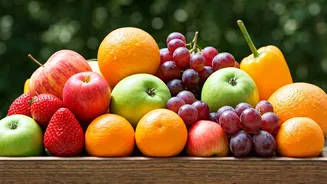
Apples: With countless varieties ripening from late summer through fall, the apple harvest brings prices down significantly. It’s the perfect time to visit an orchard or stock up at the farmers' market. A classic source of dietary fiber, especially pectin, apples aid in digestion and help promote a feeling of fullness. They also contain beneficial plant compounds like quercetin, which has antioxidant and anti-inflammatory effects.
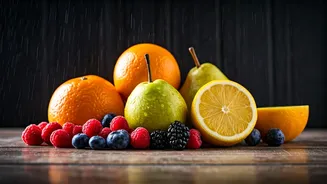
Pears: Often overshadowed by apples, pears reach their peak in the fall. Varieties like Bartlett, Bosc, and Anjou are at their most flavorful and affordable. Like apples, pears are an excellent source of fiber. They also provide copper, an essential mineral for immunity and nerve function, and Vitamin K.
Winter: Bright Citrus and Hardy Gems
While local fields in much of the U.S. are dormant, winter is peak season for citrus fruits grown in warmer states like Florida, California, and Texas. This influx of domestic supply makes citrus a smart and affordable choice for brightening up gray days.
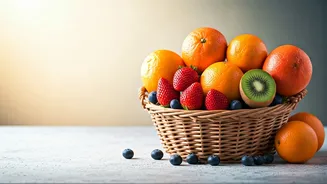
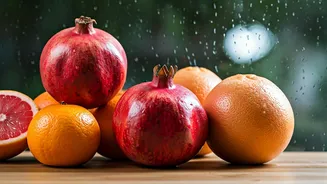
Citrus (Oranges, Grapefruits, Clementines): These juicy fruits are at their best and cheapest during the winter months. They are famously loaded with Vitamin C, providing a crucial boost to the immune system during cold and flu season. They are also rich in flavonoids, which are powerful antioxidants that help protect your cells from damage.
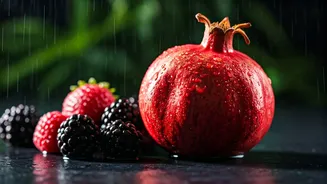
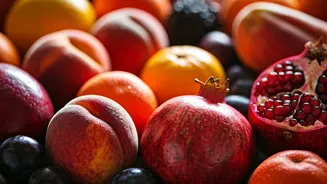
Pomegranates: These jewel-toned fruits are a festive and healthy winter treat. While they can seem pricey, buying them in season (typically October through January) is the most economical way to enjoy them. The seeds, or arils, are packed with fiber, vitamins, and potent antioxidants called punicalagins, which are being studied for their wide-ranging health benefits, including reducing inflammation.