




The Allure of Freshly Washed Landscapes
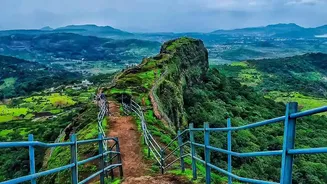
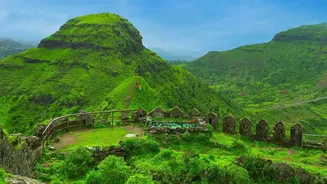
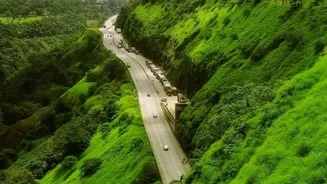
Imagine India’s landscapes after a refreshing four-month-long shower. The dust has settled, and the countryside is painted in vibrant shades of emerald and jade. This is the primary magic of post-monsoon travel. Hill stations like Munnar in Kerala and Coorg
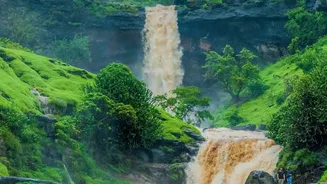
in Karnataka, famous for their tea and coffee plantations, are exceptionally beautiful during this period, with misty valleys and glowing green slopes. Waterfalls like Abbey Falls in Coorg and those dotting the Western Ghats are at their most powerful and picturesque. It’s a time when nature puts on its best show, offering a visual feast for travellers looking to escape into lush, serene environments before the dry season takes hold.
Beating the Crowds and High Prices
The period from September to November is what travel experts call a “shoulder season”—the sweet spot between the peak tourist rush and the quiet off-season. For travellers, this translates to significant advantages. Popular destinations that are typically swamped during December and January are considerably less crowded, offering a more relaxed and authentic experience. This quiet allows for more meaningful interactions and the simple pleasure of enjoying a landmark without the bustle. Furthermore, the lower demand often leads to better deals, with airlines and hotels offering more competitive pricing. This makes it possible to enjoy a premium experience or extend your holiday without stretching your budget.
Perfect Weather for Exploration
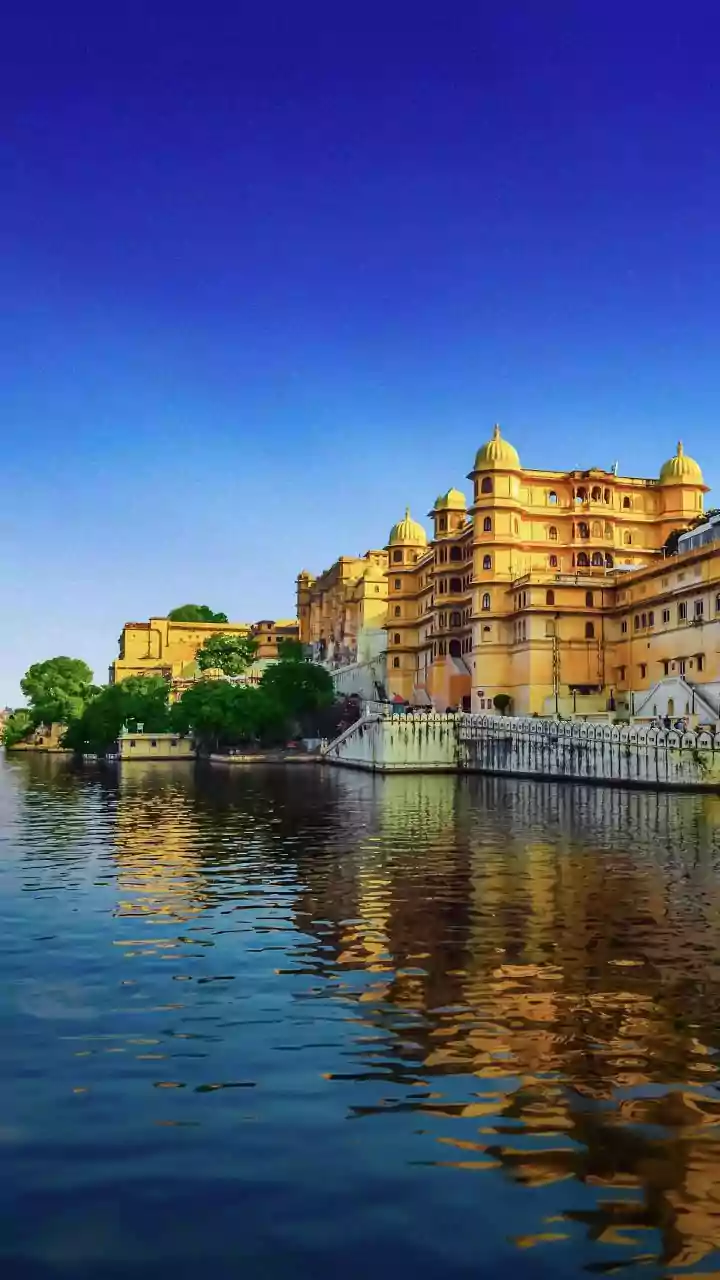
The post-monsoon climate is often Goldilocks-perfect: not too hot, not too cold, and with the heavy rains having passed. The humidity drops, and the sun returns, making it ideal for all kinds of outdoor activities. Whether it's trekking in the Himalayan foothills of Himachal Pradesh, going on a wildlife safari, or exploring ancient ruins, the weather is comfortably on your side. Wildlife sanctuaries in Central India, such as Kanha and Bandhavgarh, reopen on October 1st, offering some of the year's best conditions for spotting tigers amidst the green foliage. In cities like Udaipur, the cooler temperatures and full lakes create a romantic and pleasant atmosphere for sightseeing.
A Calendar Packed with Possibilities
The 2026 calendar, in particular, highlights another driver of this trend: festivals. A cluster of public holidays, including Ganesh Chaturthi, Navratri, Dussehra, and Diwali, fall within these months. This creates multiple opportunities for long weekends, allowing working professionals to plan short, refreshing trips by taking just a day or two of leave. This has led to a surge in demand for “micro-cations”—short getaways of two to five days. These trips provide a perfect recharge, breaking up the long stretch between major annual holidays and aligning with a modern preference for more frequent, shorter breaks.
Where to Go: Your Post-Monsoon Itinerary
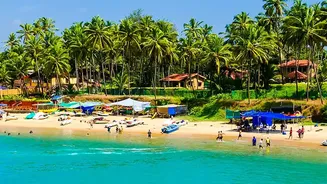
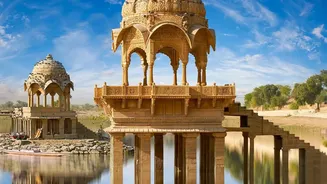
The options are as diverse as India itself. For lush greenery and trekking, consider the hill stations of the Western Ghats like Coorg, Wayanad, and Munnar. For cultural heritage without the scorching sun, the post-monsoon light on the ruins of Hampi or the palaces of Rajasthan is magical. If beaches are calling, Goa's tourist season begins to pick up in October, with clearer skies and the resumption of watersports on quieter shores. For a truly unique experience, Ziro Valley in Arunachal Pradesh offers stunning vistas of rice fields against a backdrop of pine-clad hills. Even the Andaman Islands become more inviting as the monsoon ends, perfect for diving and snorkelling.