




The Soul of Karkidakam
Every year, from mid-July to mid-August, Kerala observes Karkidakam, a month that Ayurvedic tradition considers crucial for health and rejuvenation. The heavy monsoons are believed to weaken the digestive system and lower immunity, making the body more
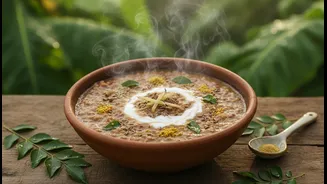
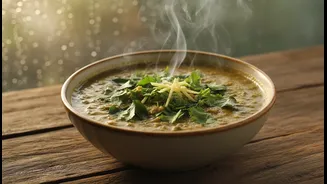
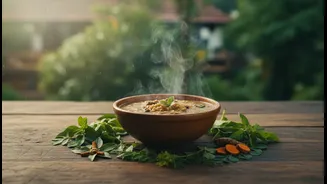
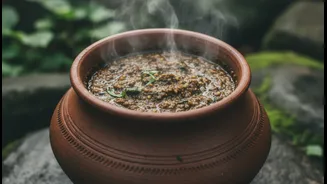
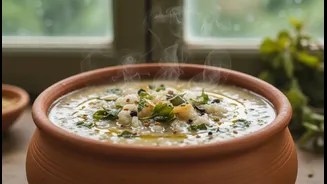
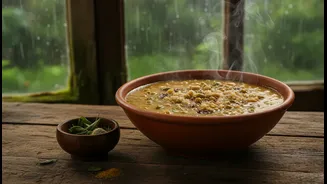
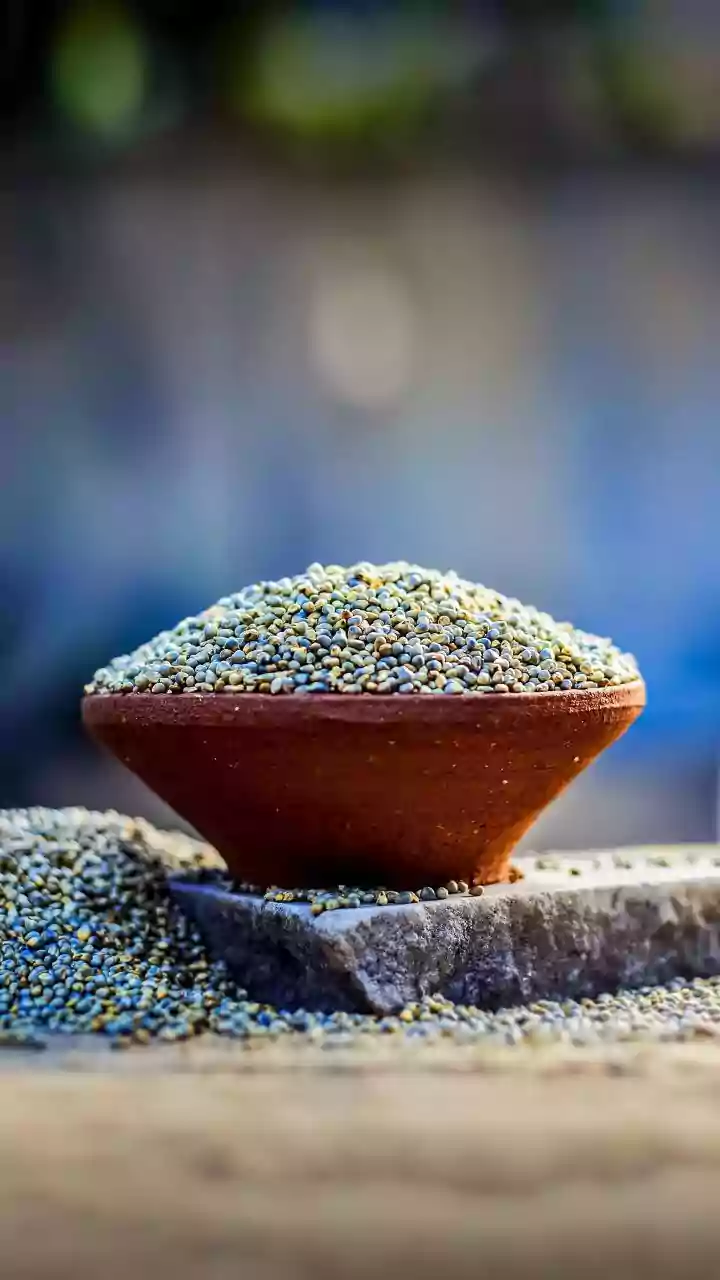
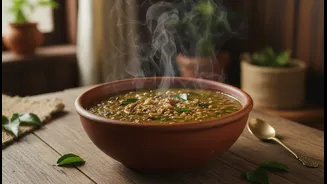
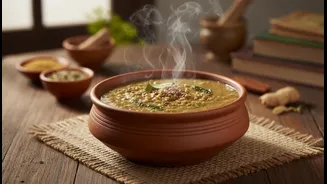
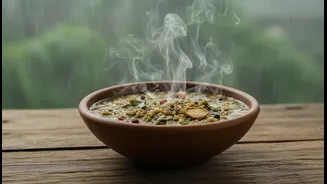
susceptible to illness. In response, generations have turned to Karkidaka Chikitsa, a holistic regimen of therapies and specific diets designed to detoxify and strengthen the body. The star of this seasonal practice is Karkidaka Kanji, also known as Oushadha Kanji or medicinal gruel. Far from a simple porridge, it's a complex preparation of Njavara rice, coconut milk, and a potent blend of herbs and spices like Dashapushpam (ten sacred flowers) and Dashamoola (ten medicinal roots). Its purpose is to support digestion, boost immunity, and provide nourishment when the body needs it most.
From Kitchen Staple to Commercial Kit
What was once a household preparation, with recipes passed down and herbs often gathered from the garden, has entered the age of convenience. Today, shelves are lined with instant Karkidaka Kanji kits, offering pre-packaged mixes of dried herbs and rice. This commercialization has made the tradition more accessible to busy urban households and a global diaspora. However, this shift has also transformed its narrative. The language on these packages often goes beyond wellness. Buzzwords like 'detox', 'immunity-boosting', and 'rejuvenation' are used liberally. While rooted in the traditional understanding of the kanji's benefits, this marketing walks a fine line, turning a nourishing food into a product that sounds suspiciously like a remedy for all modern ailments.
The Danger in the 'Cure' Label
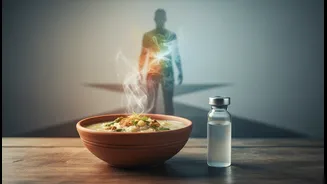
Here lies the problem. When a traditional food is marketed with language that implies it can fix specific health problems, it stops being just food and starts sounding like a drug. Words matter, and presenting Karkidaka Kanji as a 'cure' is not only misleading but potentially dangerous. For individuals with serious health conditions like diabetes, arthritis, or high cholesterol, the suggestion that a porridge can replace prescribed medical treatment is irresponsible. Some sources mention the kanji is beneficial for these conditions, but this is different from a cure. This 'health halo' effect can lull consumers into a false sense of security, believing they are taking a powerful medicine when they are, in fact, consuming a healthy food. The real risk is that someone might delay seeking professional medical advice for a serious symptom, believing a week of kanji will solve the problem.
Tradition Is Not a Treatment
It is crucial to differentiate between a wellness practice and a medical treatment. Karkidaka Kanji is a perfect example of a supportive wellness practice. It is designed to maintain health and support the body's functions during a challenging season. A medical treatment, by contrast, is designed to diagnose, manage, or cure a specific disease. Responsible Ayurvedic practitioners are clear on this distinction. They may recommend the kanji as part of a broader, personalized health plan (Karkidaka Chikitsa), but they do not present it as a standalone cure for chronic diseases. The principles of Ayurveda are holistic; they involve diet, lifestyle, and specific therapies working in concert. Reducing this sophisticated system to a single 'miracle' product sold in a box does a disservice to the tradition itself.
A More Honest Approach
The way forward is not to abandon this wonderful tradition, but to embrace it with honesty and integrity. The commercial success of Ayurveda and other traditional systems is growing, but this growth must be responsible. Sellers and manufacturers have a duty to market Karkidaka Kanji for what it is: a deeply nourishing, culturally significant, seasonal food that supports overall well-being. The claims should be about wellness, not cures. Consumers, in turn, must become more discerning. We should celebrate the wisdom in our traditions while remaining critical of unsubstantiated promises. Enjoy the kanji for its warmth, its connection to heritage, and its gentle, restorative properties. But for a medical condition, the only 'cure' is to consult a qualified doctor. This balanced perspective is the true 'next step' in ensuring our traditions thrive safely and authentically for generations to come.