







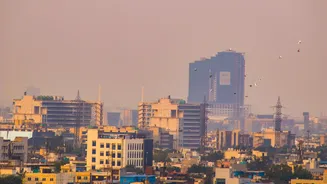


Mumbai: The Price of Ambition
It comes as no surprise that India's financial capital leads the charge in dining expenses. A vegetarian thali in Mumbai can vary wildly, but the general cost of eating out is consistently the highest among the three cities. This isn't just about the food;
it's about the city itself. Mumbai has the highest cost of living, driven primarily by sky-high real estate prices. For restaurateurs, rent is a major operational cost, often accounting for 15% or more of their total revenue. A 1BHK apartment in Mumbai can cost nearly double what it does in Bengaluru, and this commercial pressure inevitably gets passed on to the customer's bill. From a basic lunch home to a mid-range eatery, the price you pay for your meal is intrinsically linked to the square footage it's served in. So, while you can find budget-friendly meals, the average price remains elevated, reflecting the premium cost of space in the bustling metropolis.
Bengaluru: The Tech-Fueled Spectrum
Bengaluru presents a more complex and varied dining landscape. While the overall cost of living is rising, it remains significantly more affordable than Mumbai. The city’s food scene is a tale of two realities. On one hand, you have the traditional and incredibly affordable 'darshinis' and local eateries that have served the city for decades. On the other, the influx of a high-earning IT workforce has fueled a boom in upscale cafes and premium restaurants, particularly in areas like Indiranagar and Koramangala. This demographic is often perceived as being less price-sensitive, allowing establishments to command higher prices for ambiance and specialized menus. As a result, while Bengaluru offers a wider spectrum of pricing than Mumbai, the average cost for a meal at a new-age, casual dining restaurant is steadily climbing, placing it in a competitive middle ground.
Pune: The Affordable Contender
Traditionally seen as the more relaxed and affordable cousin to Mumbai, Pune still holds the title for the most budget-friendly dining experience of the three. The cost of living here is comparable to Bengaluru but offers a significant discount compared to Mumbai. For students and professionals, Pune's appeal has long been its balance of quality of life and manageable expenses. A standard vegetarian meal is generally cheaper here, a direct result of lower commercial rents and operational costs. However, the city is rapidly changing. As its own IT and manufacturing sectors expand, new residential and commercial hubs are emerging, bringing with them a wave of pricier dining options that cater to a new generation of consumers. While it remains the most economical choice for now, the gap between Pune and Bengaluru's meal prices is gradually narrowing.
Behind the Bill: Why Prices Differ
The price of your vegetarian thali is determined long before it reaches your table. Several key factors explain the variation between these cities. Commercial rent is the single biggest driver; a restaurant in a prime Mumbai location might pay double or triple the rent of a similar space in Pune. This fixed cost is non-negotiable and directly impacts menu pricing. Secondly, ingredient costs, while subject to national trends like rising onion and pulse prices, can have local variations based on proximity to agricultural supply chains. Labour is another significant expense, with wages being higher in Mumbai and Bengaluru to match the higher cost of living. Finally, a restaurant's target audience plays a crucial role. An eatery in a tech park in Bengaluru or a financial district in Mumbai can set higher prices because the local clientele has greater purchasing power. These invisible costs are all baked into the final price of your meal.