


1. The Foundation: Creamy Parmesan Polenta
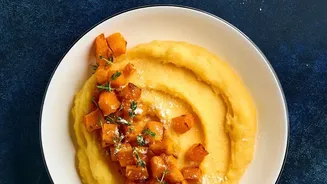
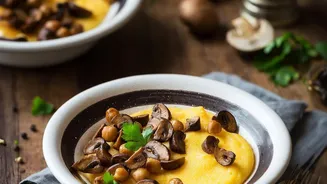
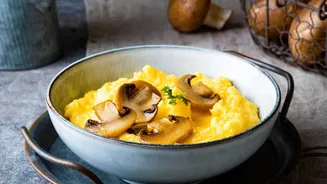
Before you can run, you must learn to walk. The first step in mastering polenta is preparing it in its classic, creamy form. This comforting dish serves as a perfect side for stews and braised meats or as a base for roasted vegetables. To start, bring
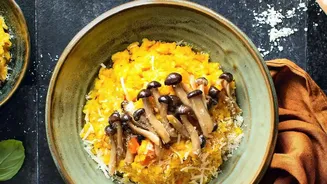
four cups of chicken stock or water to a boil. While whisking constantly to prevent lumps, slowly pour in one cup of cornmeal. Reduce the heat to a simmer and continue to stir frequently for about 15-20 minutes, or until the polenta is thick and the grains are tender. The key is to cook it long enough so it doesn't taste raw. Once it pulls away from the sides of the pan, remove it from the heat. Stir in a generous knob of butter and a cup of freshly grated Parmesan cheese until everything is melted and beautifully combined. Season with salt and pepper, and serve immediately for the creamiest texture.
2. The Crowd-Pleaser: Crispy Baked Polenta Fries
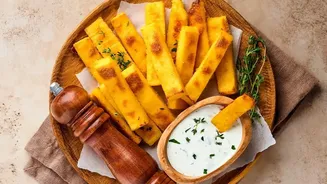
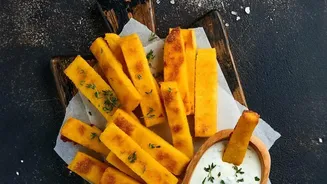
Transform leftover or freshly made polenta into an irresistible snack or side dish: crispy polenta fries. The trick is to let the cooked polenta cool and set completely. Pour your freshly cooked, thick polenta into a greased baking dish and spread it into an even layer. Let it cool at room temperature before chilling it in the refrigerator for at least an hour, or until completely firm. Once set, turn the solid polenta out onto a cutting board and slice it into fry-shaped batons. Preheat your oven to 425°F (220°C). Toss the fries gently with olive oil, salt, pepper, and your choice of herbs like rosemary or Italian seasoning. Arrange them in a single layer on a baking sheet, ensuring they have space so they can get crispy. Bake for 30-40 minutes, flipping halfway through, until they are golden brown and crisp on the outside. Serve hot with a side of marinara sauce or aioli for dipping.
3. The Hearty Main: Grilled Polenta with Roasted Vegetables
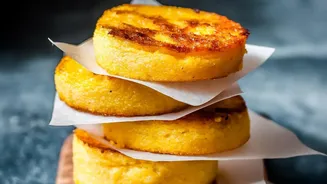
Firm polenta is a fantastic canvas for other flavours, especially when grilled. Its ability to get crisp on the outside while remaining tender inside makes it a satisfying vegetarian main course. You can use pre-cooked polenta sold in tubes or make your own and let it set. Cut the firm polenta into thick slices or squares. Brush the slices with olive oil and place them on a hot grill or grill pan. Cook for about 5-10 minutes per side, until you have distinct grill marks and the outside is crispy. While the polenta grills, toss your favorite seasonal vegetables—like bell peppers, zucchini, eggplant, and cherry tomatoes—with olive oil, garlic, and herbs, and roast them in a hot oven until tender and slightly charred. To serve, top the warm grilled polenta slices with a generous helping of the roasted vegetables. You can finish with a sprinkle of fresh basil or a crumble of feta cheese.
4. The Surprise Showstopper: Lemon and Almond Polenta Cake
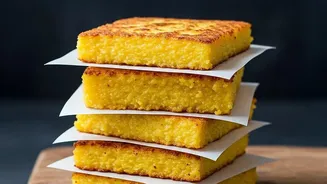
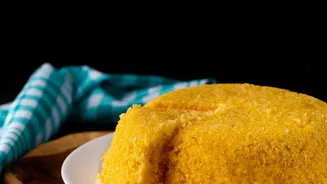
Yes, you can make cake with polenta. In fact, its fine, granular texture adds a wonderful moistness and a pleasant crumb that’s naturally gluten-free. This Lemon and Almond Polenta Cake is a classic for a reason. Start by creaming together butter and sugar until light and fluffy. In a separate bowl, combine fine polenta, ground almonds, and baking powder. Beat eggs into the butter mixture one at a time, then gradually fold in the dry ingredients, along with lemon zest and milk or vanilla extract, to form a smooth batter. Pour the batter into a prepared cake tin and bake at 350°F (180°C) for about 40-50 minutes, or until a skewer inserted into the center comes out clean. While the cake is still warm, pierce it all over with a skewer and pour over a simple syrup made from lemon juice and sugar. The syrup soaks in, making the cake incredibly moist and zesty. Let it cool completely before serving.
5. The Sweet Finale: Polenta Pudding with Coconut and Berries
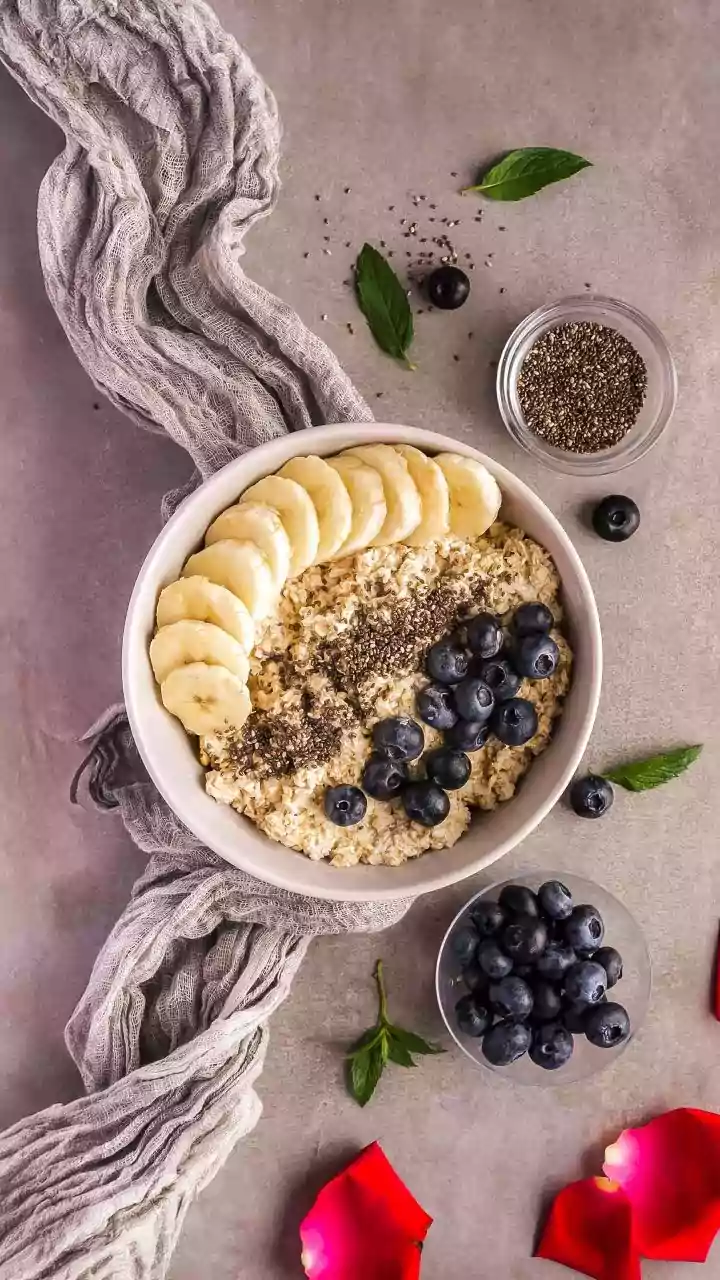
Polenta for dessert is a tradition in many cultures, often taking the form of a sweet, comforting pudding. This can be served warm like a porridge or chilled until firm and sliceable. In a saucepan, combine polenta with a liquid like milk, coconut milk, or a mix of milk and water. Add a sweetener like sugar or honey, and a pinch of spice such as cardamom or a dash of vanilla extract. Bring the mixture to a simmer over medium heat, stirring constantly until it thickens to a paste-like consistency, which should take about 10-15 minutes. To serve warm, spoon it into bowls and top with fresh berries or caramelized pineapple. For a firmer pudding, pour the hot mixture into a dish, sprinkle with desiccated coconut, and let it cool completely in the refrigerator. Once set, it can be cut into squares or triangles and served as a delightful, sweet snack.