




The Lithium Bottleneck
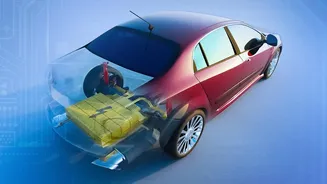
For years, the heart of every electric vehicle has been the lithium-ion battery. While powerful, these batteries rely on materials like lithium and cobalt, which are expensive and have complex supply chains dominated by a few countries. This reliance
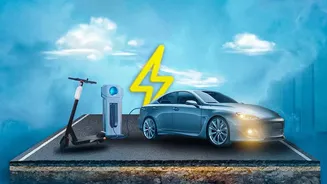
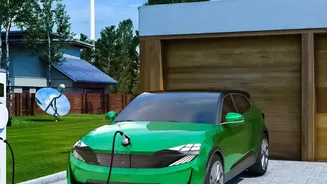
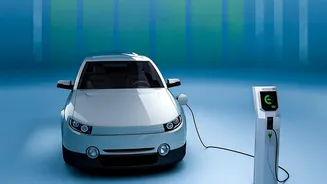
is a major reason why the upfront cost of an EV remains high, creating a significant barrier to widespread adoption in price-sensitive markets like India. Furthermore, as EV demand has surged globally, so have the prices of these raw materials. This has made the dream of an affordable, sub-₹10 lakh electric car feel perpetually out of reach. Battery packs constitute the single most expensive component of an EV, and until that cost is addressed, mass-market penetration will remain a challenge.
The Salt Solution: Sodium-Ion Enters the Fray
Enter the sodium-ion battery, a technology that swaps out expensive lithium for one of the most abundant and cheap materials on Earth: sodium, the same element found in common table salt. This simple substitution has profound implications. Sodium is widely available, which could dramatically reduce battery costs and insulate manufacturers from volatile lithium prices. Global battery giant CATL has already begun mass production of its sodium-ion batteries, with the world's first mass-produced EV using this technology rolling out in 2026. These batteries also have other advantages; they perform better in extreme temperatures, a key consideration for the Indian climate, and are inherently safer due to their thermal stability. Manufacturing can even use much of the same equipment as lithium-ion production, making the transition easier for companies.
Silicon's Role: A Power-Packed Anode
While sodium helps solve the cost and supply problem, silicon addresses another key area: performance. Most current batteries use graphite for the anode, which is one of the two electrodes a battery uses to store and release energy. Scientists have long known that using silicon in the anode can dramatically boost a battery's energy density. This means a silicon-anode battery can store much more energy in the same amount of space, translating to longer driving ranges and significantly faster charging times. For example, some new luxury EVs using silicon-anode technology can charge from 10% to 80% in just over 10 minutes. The challenge has always been that silicon expands and contracts significantly during charging, which can damage the battery. However, recent engineering breakthroughs are solving these stability issues, paving the way for its commercial use.
A Powerful Combination for a Cheaper Future
The true breakthrough lies in combining these two innovations. Pairing a cost-effective sodium-ion chemistry with the high-performance capabilities of a silicon anode could create a battery that is both cheap to produce and powerful enough for everyday driving needs. While sodium-ion batteries currently have a lower energy density than their lithium counterparts, the inclusion of silicon can help close that gap. Researchers are actively working to engineer these materials together to create a stable, long-lasting, and affordable power source. This hybrid approach tackles the two biggest consumer pain points: the initial purchase price and concerns about range and charging speed. The result could be an EV battery that is not just a compromise, but a compelling alternative to lithium-ion on all fronts.
What This Means for India's EV Dream
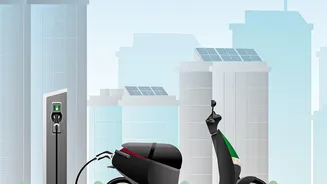
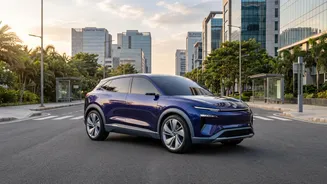
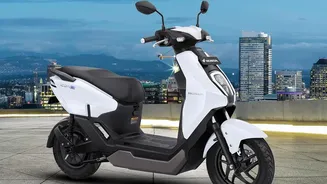
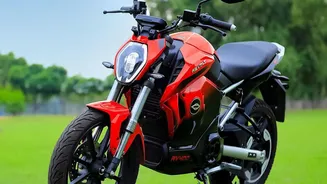
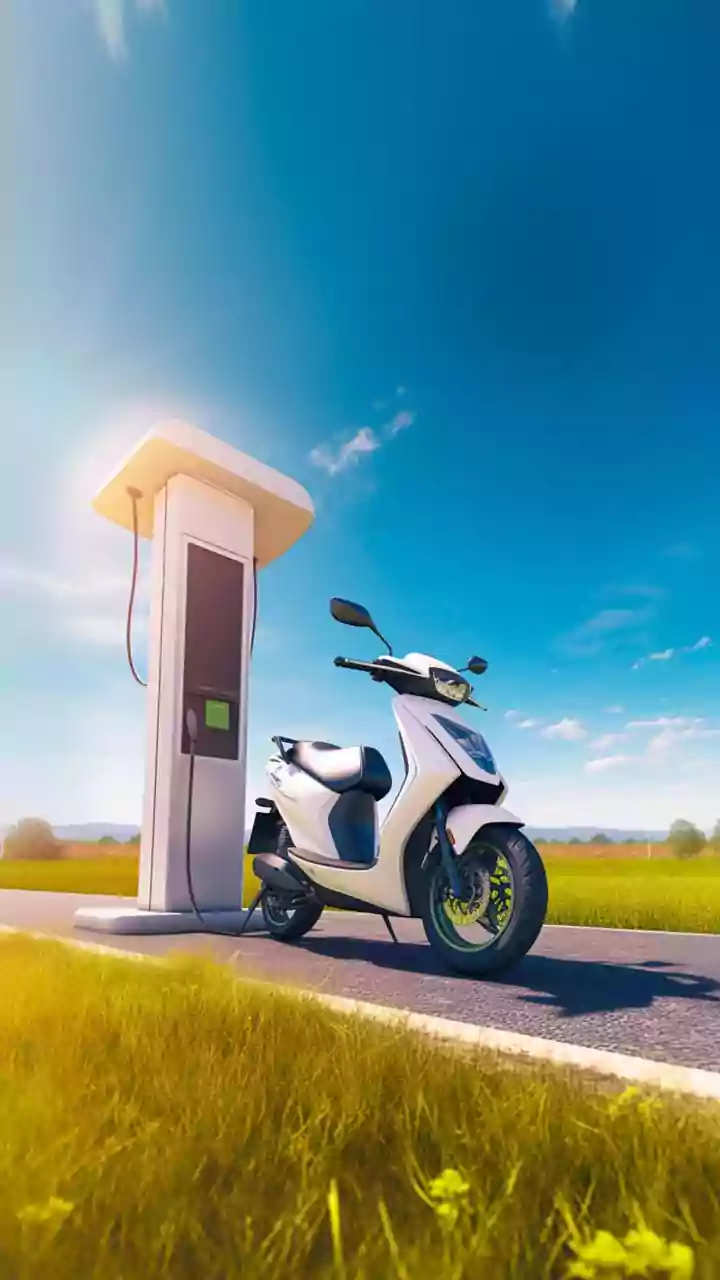
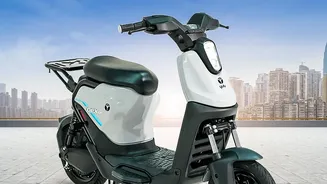
For India, this technological shift could be transformative. The nation currently imports nearly all of its lithium-ion cells, making the EV market vulnerable to global supply disruptions and price hikes. Developing a domestic battery industry based on readily available sodium would enhance energy security and align with the 'Make in India' initiative. Experts suggest that the two- and three-wheeler segments, which form the backbone of Indian mobility, could be the first to adopt sodium-ion batteries on a large scale. With mass production expected to ramp up between 2026 and 2028, we could see a new wave of affordable electric scooters, auto-rickshaws, and eventually, passenger cars hitting Indian roads. This would not only reduce the country's oil import bill but also accelerate its transition to cleaner transportation, a critical step in combating urban air pollution.