




The Anti-Itinerary Trip
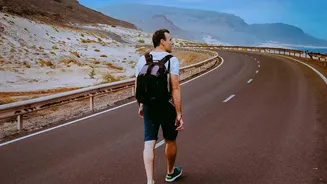
Forget back-to-back schedules and frantic sightseeing. A key trend for 2027 is the 'anti-itinerary' or 'anti-maxxing' holiday. This style is all about slowing down, staying longer in fewer places, and leaving room for spontaneity. Instead of a checklist
of attractions, the goal is to let the destination reveal itself naturally, allowing for unstructured time to relax, explore local cafes, and connect with the place on a deeper level. It’s a direct response to our over-optimised, digitally saturated lives, where true luxury is having unscheduled time to simply be present.
Purposeful & Positive-Impact Travel
Modern travellers are increasingly conscious of their footprint, moving beyond basic sustainability to seek out 'positive-impact' or 'regenerative' tourism. This means choosing trips that actively benefit local communities and environments. It’s about more than just offsetting carbon; it's about contributing to conservation efforts, supporting local artisans, and ensuring that tourism is a force for good. This shift reflects a growing desire for travel to align with personal values, creating a sense of purpose and connection that goes beyond a simple vacation.
Activity-Led Escapes
The classic 'flop and drop' beach holiday is losing its appeal for many. In its place, the activity-led escape is on the rise. These trips are built around a shared physical challenge or passion, whether it’s training for a marathon, joining a group for a tough mountain hike, or learning a new skill like surfing or wildlife photography. The focus is on doing something, not just seeing something. For many, especially solo travellers, the shared activity is a powerful way to form lasting connections, with the physical effort becoming a new form of social bonding.
Deep-Dive Cultural Immersion
Driven by a desire for authenticity, travellers are moving away from surface-level sightseeing and towards genuine cultural immersion. This could mean planning an entire trip around a culinary interest—a 'food pilgrimage' to taste a specific regional cuisine—or learning an ancient craft from local artisans. Another fast-growing niche is 'lore tripping', where fans of a particular movie, TV show, or book travel to its filming locations to experience the world of their favourite story. It’s about engaging with a culture, not just observing it from a distance.
Off-Peak & Off-Grid Exploration
In response to overtourism and rising costs, savvy travellers are seeking out less-visited destinations and exploring popular places during their quieter 'green seasons'. This trend, sometimes called 'pluviophile travel' or 'coolcations', involves embracing destinations during their wetter or milder seasons to avoid crowds and extreme heat. It also extends to choosing 'destination dupes'—lesser-known alternatives to famous hotspots. This approach not only makes for a more relaxed and affordable trip but also helps distribute the economic benefits of tourism more widely.
Mood-Based Journeys
Perhaps the most personal trend of all is letting your emotional state guide your travel plans. According to research from Booking.com, a vast majority of travellers (81%) would choose a destination based on the mood they want to feel rather than a specific place they want to see. Instead of searching for 'beach holidays in Thailand', you might search for 'quiet, restorative retreats' or 'vibrant, energetic city breaks'. This intuitive approach, powered by increasingly sophisticated AI planning tools, makes travel a form of self-care, ensuring the trip delivers the desired emotional outcome.