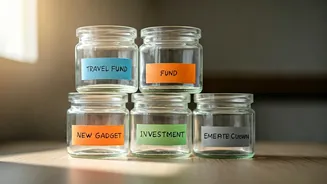









Meet the Sinking Fund
The money move gaining traction isn't a complex investment scheme or a risky crypto venture. It’s a simple but powerful concept called a ‘sinking fund.’ Think of it as a dedicated savings bucket for a specific, predictable future expense. Unlike a general
savings account where all your money gets pooled together, a sinking fund is earmarked for one purpose. You might have one for a new phone, another for your next big holiday, one for a down payment on a car, and maybe even one for annual insurance premiums. By setting aside small amounts regularly, you ‘sink’ money into these funds, ensuring the cash is ready and waiting when the bill comes due. This proactive approach prevents the need to dip into your emergency savings or take on debt for planned expenses.
Why Is It So Popular Now?
The rise of sinking funds is a direct response to our current economic reality. For many young professionals, financial stability feels more fragile than it did for previous generations. With persistent inflation eating into purchasing power and lifestyle aspirations growing, the old way of ‘saving what’s left’ no longer cuts it. This generation wants more control and less anxiety. Sinking funds offer a structured way to achieve big life goals—like a lavish wedding, funding a master's degree, or even just buying the latest gadget—without derailing long-term financial health. Social media also plays a role, with finance influencers on Instagram and YouTube popularising the method through visual savings trackers and transparent discussions about money management, making it feel accessible and achievable.
How It's Different From an Emergency Fund
This is a crucial distinction. An emergency fund is your financial firefighter; it's there for true, unexpected crises only—a job loss, a medical emergency, or an urgent home repair. You hope you never have to use it. A sinking fund, on the other hand, is for expenses you *know* are coming. A holiday isn't an emergency. Your car needing a new set of tyres in a year isn’t a surprise. By creating sinking funds for these predictable costs, you protect your emergency fund, keeping it sacred for real emergencies. This separation brings immense psychological relief. Instead of feeling guilty for spending on a planned purchase, you feel empowered because you prepared for it intentionally. It transforms spending from a source of stress into a planned, guilt-free activity.
Your 4-Step Guide to Starting
Getting started with sinking funds is straightforward. 1. **Identify and Prioritise Your Goals:** What do you want to save for in the next 1-5 years? List everything, from a new laptop to a down payment on a house. Be specific. 2. **Do the Math:** For each goal, determine the total cost and the timeline. If you want to save ₹60,000 for a trip in 12 months, you need to set aside ₹5,000 per month. 3. **Choose the Right Home for Your Funds:** You want your money to be safe and accessible, but not *too* accessible. High-yield savings accounts are a great option as they offer better returns than a standard savings account. You can open multiple accounts and nickname them (e.g., ‘Goa Trip Fund’). For longer-term goals (2-3 years), you might consider liquid funds for potentially higher returns, though they carry slightly more risk. 4. **Automate Everything:** The secret to success is consistency. Set up automatic monthly transfers from your salary account to your sinking fund accounts. This ‘pay yourself first’ approach ensures you save without having to rely on willpower.