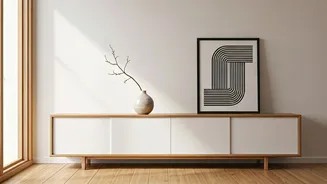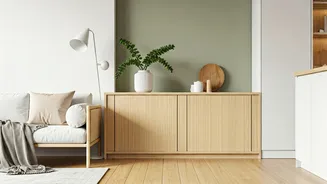





The Philosophy: What is ‘Crisp Zen’?
Forget cold, sterile minimalism. The 'Crisp Zen' aesthetic is its warmer, more soulful cousin. At its heart, it’s a fusion often referred to as ‘Japandi’—a hybrid of Japanese rustic minimalism (wabi-sabi) and Scandinavian functionality (hygge). The goal
isn't to create a showroom but a 'breathing room'. It’s a conscious rejection of clutter and chaos in favour of clean lines, natural textures, and a profound sense of peace. For apartment dwellers, this isn't just a style; it's a strategy for making smaller spaces feel more expansive, intentional, and restorative. It prioritises quality over quantity and calmness over complexity, creating an environment that soothes the mind the moment you step through the door.
1. Master the Neutral, Earthy Palette
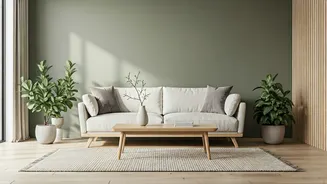
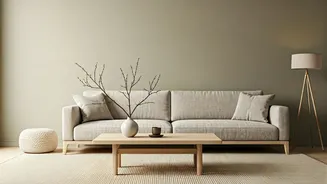
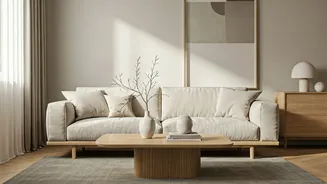
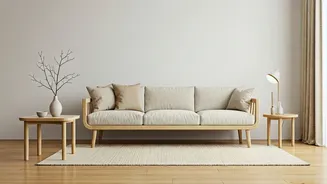
The foundation of a Zen-inspired home is its colour scheme. Move away from harsh, stark whites and embrace a softer, more complex palette. Think in layers of off-white, cream, beige, mushroom, and stone grey. These neutrals create a serene backdrop and make small spaces feel larger and brighter by reflecting light. The 'crisp' element comes from adding subtle contrast. Introduce muted accent colours drawn from nature: a soft sage green, a dusty terracotta, or a deep, watery blue. In an apartment, apply this by painting walls a warm white or light greige, choosing furniture in similar tones, and adding colour through a few carefully selected textiles, like cushions or a throw blanket.
2. Embrace Natural Materials and Textures
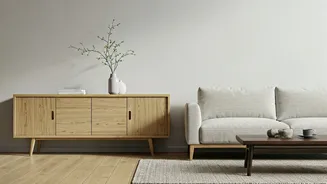
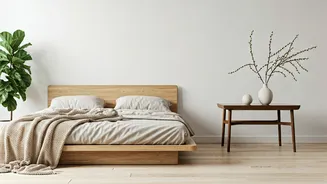
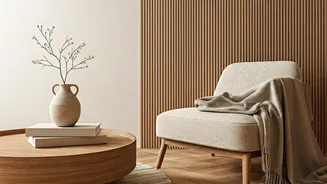
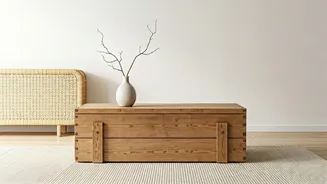
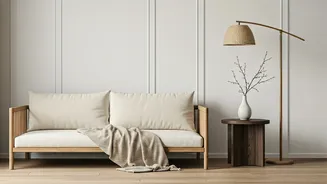
This trend is all about tactile comfort and connection to the natural world. Swap out plastic and high-gloss synthetics for materials that feel good to touch. Light-toned woods like oak, maple, and bamboo are central, appearing in flooring, furniture, and decorative accents. Complement them with other natural textures: linen curtains that diffuse light beautifully, chunky woollen rugs that warm up the floor, ceramic vases, and woven rattan or jute baskets for storage. The interplay of these textures adds visual depth and interest without creating clutter. Even small touches—a stone coaster, a wooden bowl, or a set of linen napkins—can ground the space and reinforce the Zen aesthetic.
3. Declutter with Purposeful Intent
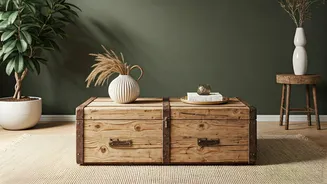
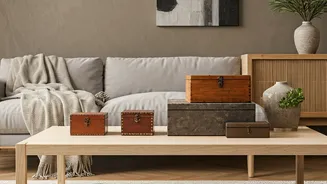
A Zen home is an uncluttered home, but this doesn't mean living in an empty box. It means practicing 'functional minimalism'. Every item in your home should have a purpose, bring you joy, or be beautiful to you. This is especially critical in apartments where space is at a premium. The key is smart, hidden storage. Think multifunctional furniture: an ottoman with storage inside, a coffee table with drawers, or a bed frame with built-in compartments. Invest in beautiful boxes and baskets to conceal everyday necessities. The goal is to create clear surfaces and open pathways, allowing energy (and people) to flow freely. Regularly edit your belongings, letting go of things that no longer serve you to maintain this sense of order.
4. Cultivate Light, Both Natural and Artificial
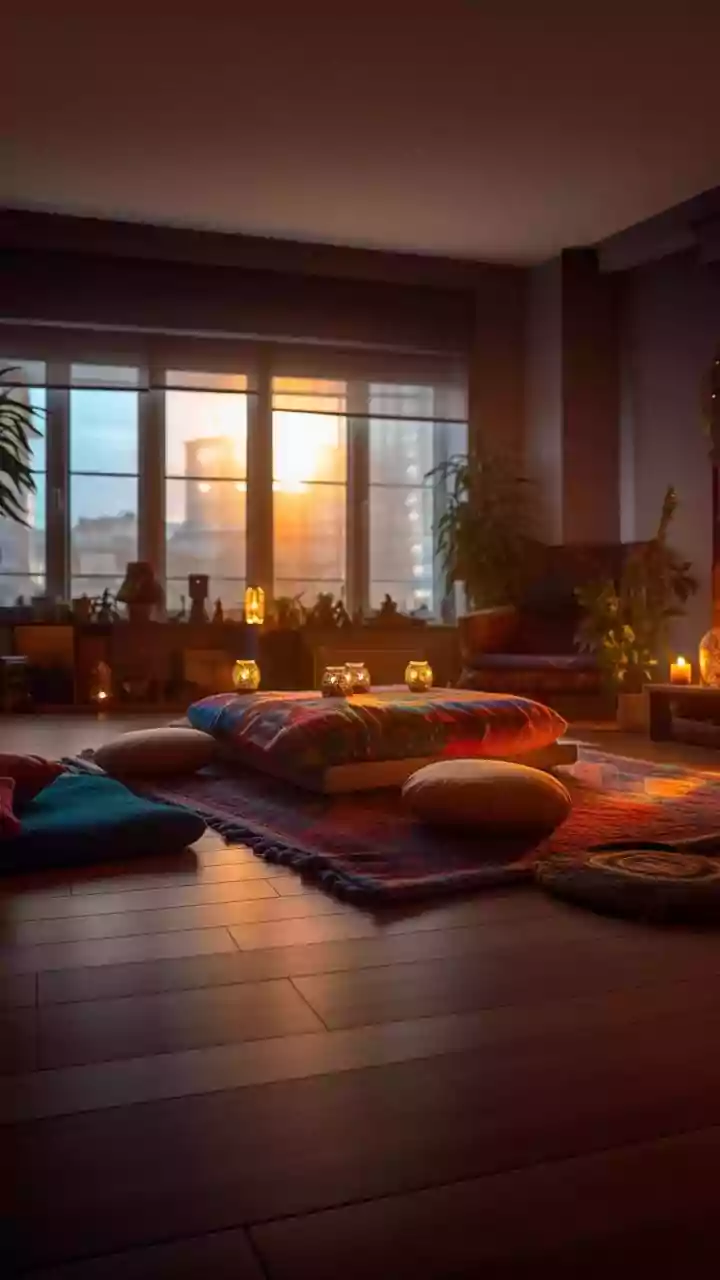
Light is a powerful tool for shaping mood. Maximise natural light by keeping window treatments simple and sheer. Avoid heavy, dark curtains. If privacy is a concern, opt for light-filtering blinds or translucent linen curtains. When the sun goes down, artificial lighting should be layered and gentle. Avoid relying solely on a harsh central ceiling fixture. Instead, create pools of warm light with multiple sources: a floor lamp in a reading nook, a table lamp on a side console, and perhaps some subtle accent lighting to highlight a piece of art or a plant. Use warm-toned LED bulbs (around 2700K) to mimic the cosy glow of candlelight.
5. Celebrate Imperfection and Greenery
A truly 'Crisp Zen' space feels lived-in and personal. This is where the wabi-sabi principle—finding beauty in imperfection—comes into play. Don't be afraid to include items with character: a handcrafted ceramic mug with a slightly uneven glaze, a piece of reclaimed wood, or a vintage textile. These elements add soul and story to a room. Finally, no Zen space is complete without life. Bring the outdoors in with houseplants. A tall Fiddle Leaf Fig can add vertical interest in a corner, a trailing Pothos can soften the edge of a shelf, and a simple sprig of eucalyptus in a vase can provide a touch of fragrance and sculptural beauty. Plants purify the air and provide a vital connection to nature, completing the transformation of your apartment into a personal haven.