




The Kitchen: A Hub of Hazards
The kitchen is often the heart of the home, but it holds numerous risks for a curious cat. Many common human foods are toxic to felines. Keep items like onions, garlic, chives, grapes, raisins, and chocolate securely stored away. Alcohol is also extremely
dangerous, with even a small amount posing a serious threat. Be mindful of hot surfaces like stovetops and toasters, which can cause severe burns to unsuspecting paws. Cleaning products stored under the sink should be secured with child-proof locks, as many contain chemicals like bleach and ammonia that are harmful if ingested or inhaled. Even seemingly harmless items like fat trimmings or cooked bones can cause gastrointestinal distress or choking, so it's best to dispose of them properly.
The Living Room: Comfort and Caution
Your living area should be a place for relaxation, not risk. One of the most common dangers here are certain houseplants. In India, popular decorative plants like the Money Plant (Pothos), Snake Plant, Peace Lily, and Aloe Vera can be toxic to cats, causing everything from oral irritation to severe digestive upset. Lilies are particularly lethal; even ingesting a small amount of pollen can lead to kidney failure. Electrical cords are another major hazard, as chewing on them can lead to burns or electrocution. Bundle loose wires and use cord protectors. Dangling cords from blinds or curtains can also pose a strangulation risk and should be tied up securely out of reach. Finally, secure any tall, heavy furniture like bookshelves to the wall to prevent them from tipping over if your cat decides to practice its climbing skills.
Bedrooms and Bathrooms: Private but Perilous
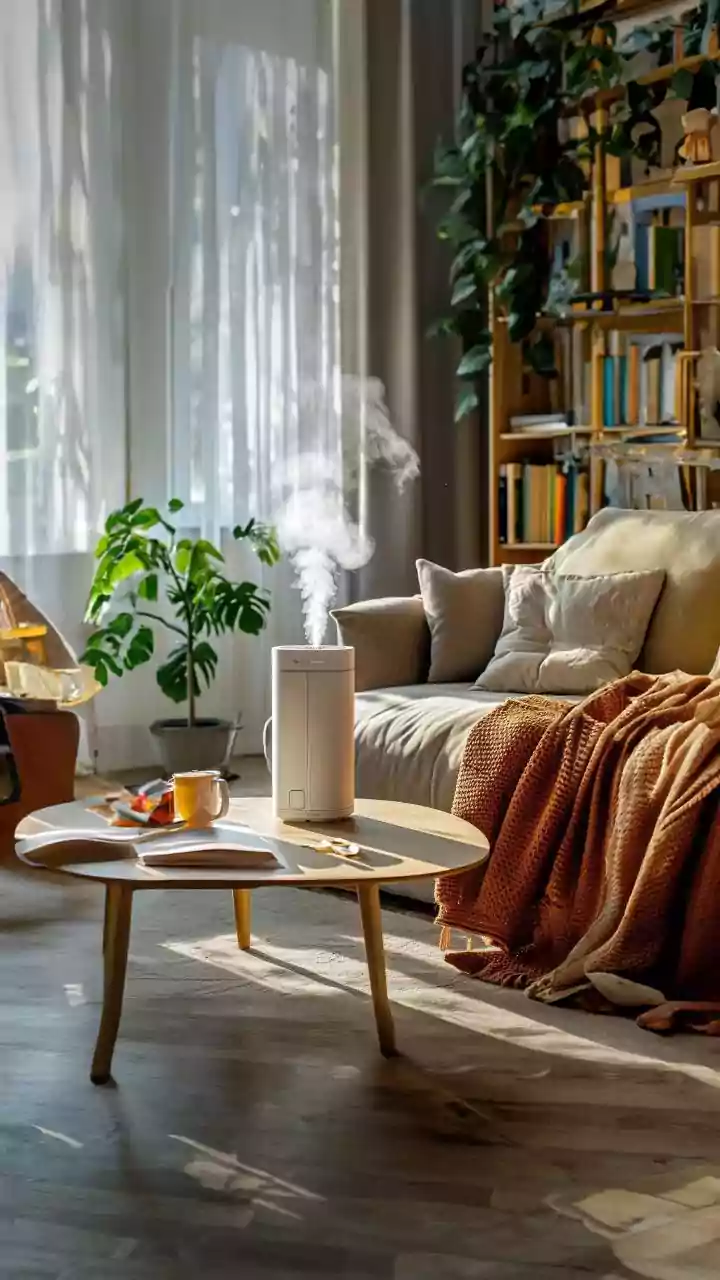
These private spaces contain hidden dangers. In the bathroom, always keep the toilet lid down to prevent a cat from drinking treated water or accidentally falling in. Human medications, such as ibuprofen and acetaminophen, are highly toxic to cats and must be stored in secure cabinets. Even seemingly innocent items like essential oils, often used in diffusers, can be poisonous to felines as they lack the liver enzymes to metabolize them. In the bedroom, be wary of small items left on nightstands. Hair ties, rubber bands, and small pieces of jewelry can easily be swallowed, leading to intestinal blockages. Check that windows are securely screened, as cats can squeeze through surprisingly small gaps, especially in apartments and high-rise buildings.
The Utility Area: Garages and Balconies
Garages and laundry rooms often house a high concentration of toxic substances. Antifreeze is notoriously deadly; its sweet taste is attractive to animals, but even a tiny amount is fatal. Store it, along with pesticides, paints, and cleaning solvents, in sealed containers on high shelves or in locked cabinets. Laundry detergents and fabric softeners should also be kept out of reach. When it comes to balconies, they can provide welcome stimulation for an indoor cat but pose an obvious falling risk. If you allow your cat access, ensure the area is fully enclosed with cat-safe netting or mesh. This allows them to enjoy the fresh air and sights without the danger of a tragic accident.
Creating a Stimulating, Safe Space
A safe home doesn't have to be a boring one. Once you've removed the hazards, enrich your cat's environment to satisfy their natural instincts. Provide vertical spaces like cat trees or shelves for climbing and observing their territory from a high vantage point. Offer multiple scratching posts to save your furniture and allow them to mark their territory. Interactive toys can keep them mentally and physically stimulated, preventing the boredom that might otherwise lead to mischief. Remember, a cat's curiosity is a sign of its intelligence. By taking these steps, you're not just preventing accidents; you're creating a loving environment where their curious nature can thrive safely.