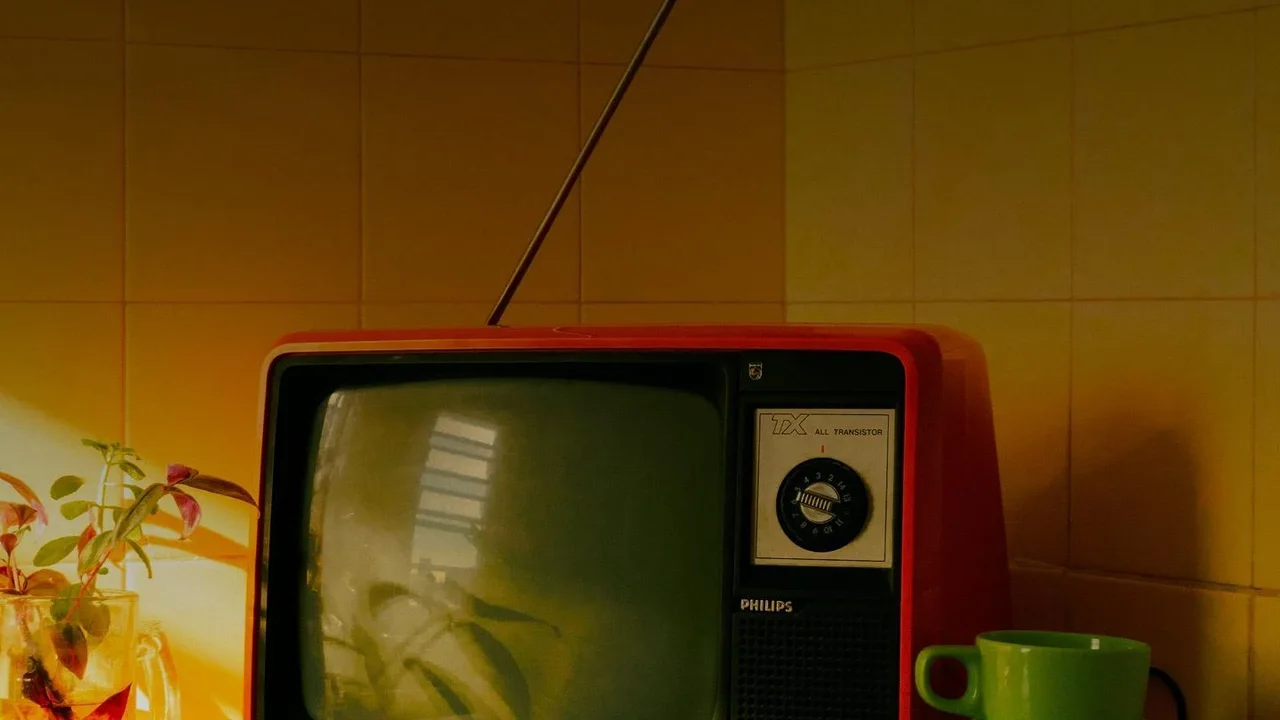








The Era of National Appointment Viewing
For decades, one channel ruled the Indian living room: Doordarshan. Launched as a modest experiment in 1959, it became the sole broadcaster and a powerful symbol of national unity. Entertainment was a collective, fixed-time event. Entire neighbourhoods
would gather to watch mythological epics like 'Ramayan' and 'Mahabharat', bringing life to a standstill. Shows like 'Hum Log', India's first soap opera, and the farmer-focused 'Krishi Darshan' weren't just programs; they were cultural touchstones that defined an era of appointment viewing. The television set was a piece of communal furniture, a single screen that brought everyone together for a shared narrative.
The Satellite Boom and the 'Saas-Bahu' Saga
The 1990s unleashed a revolution. Economic liberalization opened the airwaves, and private satellite channels like Zee TV and Star TV stormed into Indian homes, bringing with them a dizzying array of choices. This marked the end of Doordarshan's monopoly and the beginning of a new, competitive era. The late 90s and early 2000s were dominated by a specific genre: the 'saas-bahu' (mother-in-law, daughter-in-law) drama. Shows like 'Kyunki Saas Bhi Kabhi Bahu Thi' became a prime-time obsession, hooking viewers with high-stakes family conflicts and dramatic plot twists that stretched for hundreds of episodes. While often criticized for their repetitive plots, these shows reflected and shaped household dynamics for a massive audience, making television a daily, rather than weekly, habit.
The Digital Disruption and the 'Jio Effect'
The next seismic shift wasn't a new channel, but a new pipeline: the internet. While early OTT (over-the-top) platforms like BIGFlix launched as far back as 2008, streaming remained a niche activity due to high data costs. The real game-changer was the launch of Reliance Jio in 2016. By offering dirt-cheap 4G data, Jio made the internet accessible and affordable for hundreds of millions of Indians. Suddenly, streaming video wasn't a luxury. Average monthly data consumption skyrocketed from hundreds of megabytes to double-digit gigabytes, creating the mass audience needed for a streaming revolution. This 'Jio Effect' laid the groundwork for the explosion of web-based entertainment.
The Rise of Flexible Web Originals
With a massive, data-hungry audience in place, streaming platforms like Netflix, Amazon Prime Video, and Hotstar began investing heavily in Indian 'web originals'. These shows represented a radical departure from the fixed formulas of television. Freed from traditional broadcast censorship, creators explored darker, more complex themes of crime, politics, and social issues. Shows like 'Sacred Games' and 'Mirzapur' offered gritty realism and moral ambiguity that was unimaginable on family-friendly TV. The format itself was different: finite seasons with tight plots designed for binge-watching. Entertainment was no longer tied to a time or a place; it was flexible, personal, and on-demand, consumed on smartphones and laptops anywhere, anytime.
A New, Hybrid Living Room
Today, the Indian living room is a hybrid space. The large-screen television hasn't disappeared, but its role has changed. It's now often a screen for streaming, bringing web series out of the personal phone and back into the family space, but on the family's own schedule. Traditional broadcasters are also adapting, launching their own OTT platforms like SonyLIV and ZEE5 to compete. The lines are blurring. Web series are attracting mainstream actors, and television is trying to incorporate more modern storytelling. The audience, once a passive recipient of a single broadcast, is now an active consumer, curating their own entertainment from a global library of content, from regional language web series to international blockbusters.