

The Current Battery Bottleneck
For years, the growth of electric vehicles, especially two-wheelers, has been hampered by the limitations of conventional lithium-ion batteries. These batteries, which power everything from our smartphones to our scooters, use a liquid electrolyte to move
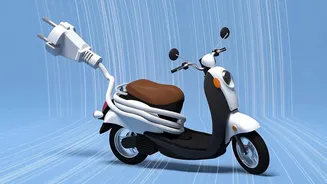
energy around. This liquid makes them relatively heavy, prone to overheating and, in rare cases, catching fire. More importantly for the average buyer, the battery pack is the single most expensive component of an electric vehicle, significantly driving up the showroom price. Their limited energy density also means manufacturers have to balance between range, weight, and cost, a tricky compromise for entry-level models.
Enter Solid-State Technology
Solid-state batteries are exactly what they sound like: batteries that use a solid material instead of a flammable liquid electrolyte. This core difference, replacing the liquid with a thin, solid layer of ceramic or polymer, unlocks a cascade of improvements. The design is inherently safer because it eliminates the flammable component, drastically reducing fire risk. This solid separator is also more stable, allowing for the use of more advanced, energy-rich materials like lithium metal anodes, which are not always compatible with liquid electrolytes. This fundamental change in chemistry is what has researchers and manufacturers so excited about the future of energy storage.
More Power, Less Weight, Faster Charging
The benefits of solid-state technology are transformative. They boast a much higher energy density, meaning they can store more energy in a smaller, lighter package. Today's best lithium-ion batteries offer around 250-300 Watt-hours per kilogram (Wh/kg), while solid-state batteries are targeting 400-500 Wh/kg commercially. For an electric scooter, this could mean nearly doubling the range without adding weight, or keeping the same range while making the scooter much lighter and more nimble. Furthermore, charging times are expected to fall dramatically. Some prototypes have demonstrated the ability to charge from 10% to 80% in under 15 minutes, making recharging almost as fast as a traditional fuel stop. Finally, they are expected to have a much longer lifespan, enduring more charge and discharge cycles before their performance degrades.
The Path to Lower Scooter Prices
While the technology is advanced, the long-term economic promise of solid-state batteries is lower costs. The current manufacturing process for lithium-ion batteries is complex and resource-intensive. As solid-state manufacturing matures and scales up, experts believe production will become more efficient. The potential to use fewer raw materials for a lighter, more powerful battery also contributes to cost savings. For the Indian market, this is crucial. A reduction in battery cost directly translates to a lower sticker price for entry-level electric scooters, making them accessible to a much wider audience. As production scales, the cost parity with petrol-powered scooters could finally be within reach.
The Indian Roadmap and a Reality Check
Several Indian companies, supported by government initiatives like the Production Linked Incentive (PLI) scheme, are already investing in next-generation battery technology. Ola Electric has announced plans for a gigafactory with a focus on solid-state cells, aiming to localize production and reduce dependency on imports. However, it's important to manage expectations. While the buzz is significant, true mass-market adoption of all-solid-state batteries is not immediate. Many experts believe that so-called 'semi-solid' or hybrid batteries will be the first to arrive commercially, with widespread availability of true solid-state vehicles expected closer to the end of the decade. Initial rollouts are likely to be in premium vehicles before the technology becomes cheap enough for the entry-level scooter market.