





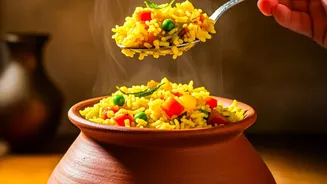

The Enduring Wisdom of Clay
For centuries, long before stainless steel and non-stick pans filled our kitchens, earthenware was the cornerstone of Indian cooking. From slow-cooked biryanis to rich, simmering curries, these natural pots were trusted to deliver exceptional flavour
and wholesome meals. This ancient practice, rooted in Ayurvedic principles, is now seeing a resurgence as more people look for ways to connect with traditional, healthier ways of living. The wisdom passed down through generations suggested that food cooked in clay was not only tastier but also more nutritious. Today, science is beginning to explain why our ancestors were right all along.
Understanding Bioactive Compounds
Indian vegetables are treasure troves of 'bioactive compounds'. This is a scientific term for the natural substances in plants—like polyphenols, flavonoids, and vitamins—that offer health benefits beyond basic nutrition. Think of the antioxidants that fight cellular damage, the anti-inflammatory agents in spices, or the delicate vitamins like Vitamin C and B-complex vitamins that are vital for our immunity and energy. However, these powerful compounds are often sensitive. High heat and aggressive cooking methods can degrade or destroy them, reducing the nutritional value of even the freshest vegetables. The goal of healthy cooking, therefore, is to preserve as many of these fragile nutrients as possible.
The Science of Slow and Gentle Heat
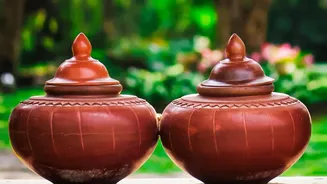
The magic of earthenware lies in its physical properties. Clay is naturally porous, which allows it to 'breathe'. This unique characteristic enables slow and even heat distribution across the entire pot, from the bottom to the sides. Unlike metal pans that heat up quickly and create hot spots, a clay pot cooks food with a gentle, consistent warmth. This slow-cooking process operates at lower overall temperatures, which is crucial for protecting heat-sensitive vitamins and antioxidants that would otherwise break down under the harsh heat of a metal pan. The porous walls also allow for the circulation of steam, creating a moist cooking environment that prevents food from drying out and locks in water-soluble nutrients that might otherwise evaporate.
Superior Flavour, Naturally
Anyone who has eaten a dish prepared in a clay pot, or 'handi', will recognise its distinct, earthy aroma and deeper flavour. This isn't just imagination. The slow, moist cooking environment allows spices to penetrate deeper into the ingredients, developing a richer, more complex taste profile. Furthermore, clay is naturally alkaline. This property helps to neutralise the pH balance of acidic ingredients like tomatoes, lending a subtle sweetness to curries and dals. Because the pot retains moisture so well, food cooks in its own juices, intensifying the natural flavours and reducing the need for excessive oil or fat. The result is a meal that is not only healthier but also tastes more authentic and satisfying.
Making the Switch to Earthenware
Incorporating earthenware into a modern kitchen is simpler than it seems. When buying a new clay pot, look for unglazed, lead-free options to ensure no unwanted chemicals leach into your food. Before its first use, a new pot needs to be 'seasoned'. This typically involves soaking it in water for several hours, then allowing it to dry completely before rubbing it with a small amount of cooking oil. This process strengthens the pot and prevents cracking. When cooking, always start with a low flame and increase the heat gradually, as sudden temperature changes can cause the pot to crack. Earthenware retains heat exceptionally well, so you can often turn off the stove a few minutes early and let the residual heat finish the cooking process, keeping your food warm for longer.