







The Habit: It’s Called Double Cleansing
You've likely heard of double cleansing for your face—an oil-based cleanser to remove makeup, followed by a water-based one to clean the skin. The principle for your scalp is surprisingly similar and just as effective. The habit is double shampooing:
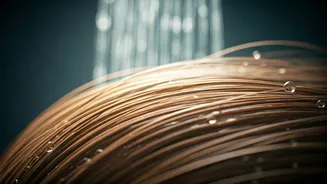
washing your hair with shampoo twice in the same shower session. But this isn't about mindlessly lathering up twice. It’s a strategic, two-step process. The first wash is designed to break down and lift away impurities—think of it as the preparatory step. The second wash is where the magic happens; it provides a deep, thorough cleanse of the scalp and hair follicles, allowing the ingredients in your shampoo to actually do their job. It’s a technique hairstylists have used for decades, but it's now being recognised by dermatologists as a key to optimal scalp health.
Why Your Scalp Needs This Extra Step
Our scalp is skin, and it faces a daily onslaught. In India, this is compounded by humidity, pollution, and hard water. Add to this the natural secretion of sebum (oil), sweat, and the residue from styling products like serums, dry shampoos, and sprays. A single wash often isn't enough to cut through all these layers. The first shampoo application primarily tackles the surface-level grime. It breaks up the oils and product buildup, but it may not fully wash them away. This is why the lather on your first wash is often weak. The second shampoo application, now on a pre-cleansed surface, can create a much richer lather. This indicates that it's not fighting through a barrier of dirt and can now effectively clean the scalp itself, removing any remaining impurities, dead skin cells, and residue that can clog hair follicles and lead to issues like dandruff, itchiness, and even hair fall.
Your Step-by-Step Guide
Incorporating double cleansing into your routine is simple. Here’s how to do it right: 1. **Get Soaking Wet:** Make sure your hair is thoroughly saturated with lukewarm water. Hot water can strip your scalp of natural oils and cause irritation. 2. **The First Wash (The Stripper):** Take a small amount of shampoo and focus on applying it to the scalp. Don't worry about getting a huge lather. Gently massage your scalp with your fingertips (not your nails!) for about a minute. The goal here is to loosen dirt and oil. Rinse thoroughly. 3. **The Second Wash (The Treatment):** Apply a similar amount of shampoo again. This time, you should notice a much richer, more satisfying lather. This is your sign that the scalp is clean. Spend a good 60-90 seconds massaging your scalp. This not only cleans but also stimulates blood circulation, which is great for hair growth. Let the lather run down the lengths of your hair to cleanse them without direct, harsh scrubbing. 4. **Rinse and Condition:** Rinse everything out completely. Follow up with your conditioner, applying it only from the mid-lengths to the ends to avoid weighing down your roots.
Who Benefits Most (and Who Should Be Cautious)
Double shampooing is a game-changer for certain hair types and lifestyles: * **Oily Scalps:** If your hair gets greasy a day after washing, this method can help regulate sebum and extend the time between washes. * **Product Users:** If you regularly use dry shampoo, hairspray, mousse, or serums, a double cleanse is essential to prevent scalp buildup. * **Infrequent Washers:** If you only wash your hair once or twice a week, this technique ensures you're getting a truly deep clean. * **Fine Hair:** By removing all residue, this method can help add volume and lift at the roots. However, if you have a very dry, sensitive scalp, or a condition like eczema or psoriasis, you should be cautious. Double shampooing might be too stripping. In this case, you could try it once a week with a very gentle, sulphate-free shampoo or stick to a single, thorough wash.