





Embrace Warm, Nourishing Soups
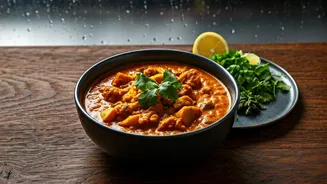
When the rain is pouring outside, a steaming bowl of soup can feel like a warm hug. During the monsoon, our digestive system can become a bit sluggish, and warm, light foods are easier to process. Soups are an excellent way to stay hydrated and pack in nutrients.
A simple tomato soup, a hearty lentil and vegetable broth, or a classic sweet corn soup can be both delicious and restorative. Adding spices like ginger, garlic, and a pinch of black pepper not only enhances the flavour but also brings anti-inflammatory and antibacterial properties that are beneficial during a season known for infections.
The Ultimate Comfort Food: Khichdi
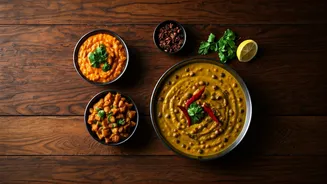
Khichdi is widely regarded as one of the best meals for the monsoon season. This one-pot dish of rice and lentils (most commonly moong dal) is light on the stomach, easy to digest, and incredibly nourishing. It provides a balanced mix of carbohydrates and protein, offering sustained energy. You can easily elevate its nutritional value by adding seasonal vegetables like carrots, peas, and cauliflower. According to Ayurveda, khichdi helps balance the body's doshas and supports a weaker digestive fire (Agni) common during the rainy season. A dollop of ghee on top not only adds flavour but also provides healthy fats.
Immunity-Boosting Brews
The damp weather of July can make one more susceptible to colds and flu. This is the perfect time to incorporate traditional Indian immunity-boosting drinks into your daily routine. A glass of warm turmeric milk, or 'haldi doodh', before bed can do wonders thanks to turmeric's powerful anti-inflammatory and antioxidant properties. Throughout the day, sipping on herbal teas made with ginger, tulsi (holy basil), and black pepper can help keep infections at bay and improve digestion. These warm beverages are comforting and act as a natural defence for your body.
Snack Smart: Steam and Roast, Don't Fry
The craving for crispy, fried snacks like pakoras and samosas is almost universal during the monsoon. However, excessive consumption of deep-fried foods can lead to indigestion and other health issues. A healthier approach is to opt for steamed or roasted snacks. Steamed options like dhokla or pundi gatti (steamed rice dumplings) are light and delicious. Roasted corn on the cob (bhutta) is a classic monsoon treat that is both healthy and satisfying. You can also try air-frying or baking your favourite pakoras and cutlets to get that desired crunch with a fraction of the oil.
Focus on Seasonal Vegetables
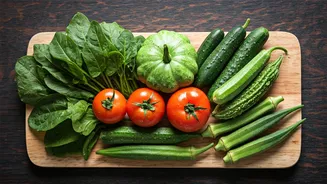
Ayurveda recommends eating seasonal and easily digestible vegetables during the monsoon. Gourds like bottle gourd (lauki), ridge gourd (turai), and pointed gourd (parwal) are excellent choices as they are light and have high water content. Root vegetables like sweet potatoes and yams are also good options. It is generally advised to avoid or reduce the intake of leafy green vegetables during this season, as the high humidity can make them prone to contamination. When you do consume them, ensure they are thoroughly washed and well-cooked. Cooking vegetables in a light stew or stir-fry with digestive spices like cumin, coriander, and turmeric is an ideal way to prepare them.