





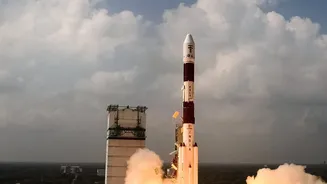
An Industry Transformed by Policy
For decades, the Indian Space Research Organisation (ISRO) was the primary driver of the nation's space ambitions. Recent policy shifts, particularly the Indian Space Policy 2023, have opened the final frontier to private companies. This has led to an explosion
of over 400 space-tech startups. The government now projects the space economy will grow from around $8.4 billion today to $44 billion by 2033. This growth is being facilitated by new bodies like the Indian National Space Promotion and Authorisation Center (IN-SPACe), which acts as a single-window agency for private players, and NewSpace India Limited (NSIL), ISRO's commercial arm. This new ecosystem is the primary engine for job creation.
Upstream: Building the Rockets and Satellites
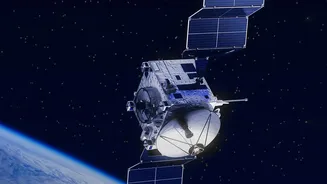
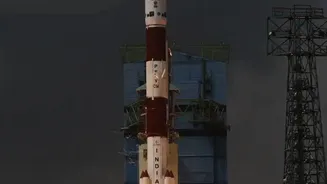
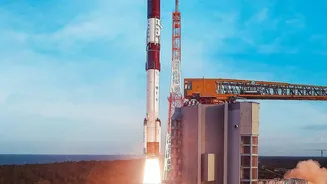
The most visible part of the space industry is the 'upstream' sector: designing and building the hardware that goes into space. This area is creating a massive demand for engineers and technicians. Private companies like Skyroot Aerospace and Agnikul Cosmos are developing their own launch vehicles, creating direct competition and opportunities. This creates roles for aerospace, mechanical, electronics, and computer science engineers to work on everything from rocket engines and propulsion systems to satellite manufacturing and testing. ISRO itself is on a major hiring drive for scientists and engineers, but the private sector's pace is creating a new, dynamic job market for hardware specialists.
Downstream: The Power of Space Data
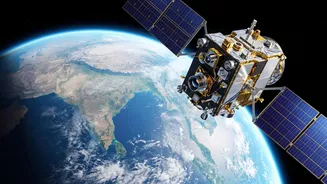
While rockets get the headlines, the 'downstream' sector—using data from satellites—is expected to generate the bulk of future revenue and jobs. Earth Observation (EO) is a huge part of this. Companies like Pixxel and SatSure are using satellite imagery to provide invaluable insights for agriculture, climate monitoring, urban planning, and insurance. This has created a surge in demand for geospatial data analysts, remote sensing specialists, and software developers who can build platforms to interpret and sell this data. As satellites provide more data on everything from weather patterns to crop health, the need for people who can turn that data into actionable business intelligence will only grow.
Component Manufacturing and The Supply Chain
A rocket or satellite is made of thousands of individual components, and a robust domestic supply chain is crucial for a self-reliant space industry. This is creating a new wave of jobs in advanced manufacturing. The skills needed are often transferable from other high-tech industries like automotive and electronics. Companies are hiring engineers with experience in robotics, AI, advanced materials, and precision manufacturing to build space-grade sensors, cryogenics, and electronics. This 'industrial multiplier' effect means that the growth of the space sector is lifting other manufacturing and technology fields along with it, creating a wide array of technical jobs.
Beyond Engineering: The New Support Roles
The space economy isn't just for scientists and engineers. As the sector commercializes, it requires a host of professionals in other domains. With complex international collaborations and private investments, there is a growing need for experts in space law, finance, and policy. These professionals will handle everything from regulatory compliance and intellectual property to securing venture capital funding and managing international contracts. Furthermore, as private space companies grow, they will need the same support functions as any other business: marketing, human resources, project management, and administration, all tailored to the unique demands of the space industry.