

The Current Battery Bottleneck
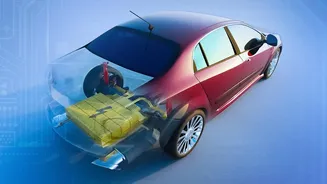
For years, the growth of electric vehicles has been tied to the lithium-ion battery. While effective, this technology has limitations. The liquid electrolyte inside these batteries can be flammable, poses safety risks, and makes them sensitive to temperature.
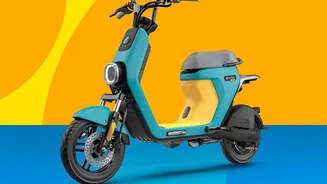
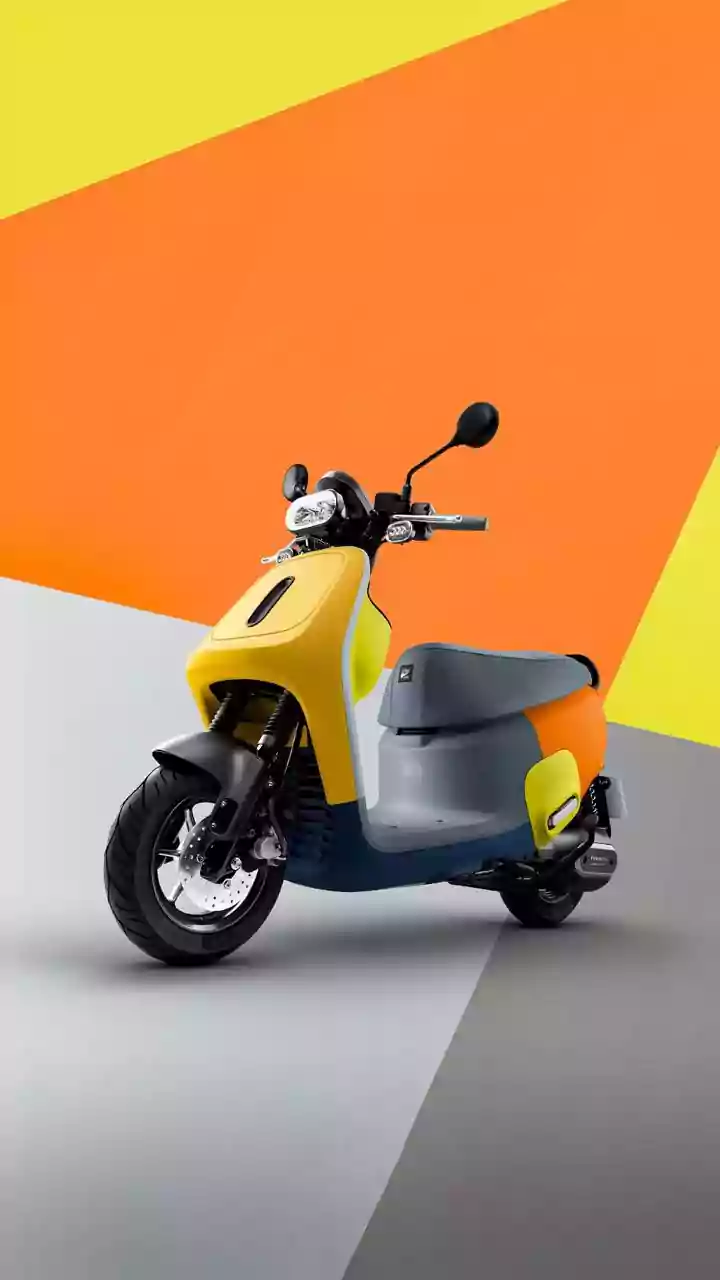
They also require complex cooling and management systems, which adds weight, complexity, and, most importantly, cost to the final vehicle. In the context of India's booming two-wheeler market, the battery pack alone can represent a huge portion of an electric scooter's price, creating a significant barrier to mass adoption for price-sensitive consumers.
Enter Solid-State: A Quick Primer
Solid-state batteries are exactly what they sound like. They replace the flammable liquid or gel electrolyte found in conventional lithium-ion batteries with a solid material, often a ceramic or polymer compound. This fundamental change has a cascade of benefits. Without the liquid, the risk of fire is virtually eliminated, making the batteries inherently safer. They are also more stable across a wider range of temperatures and can be packed more densely. This means manufacturers can store more energy in a smaller, lighter package, a key advantage for nimble two-wheelers.
The Connection to Cheaper Production
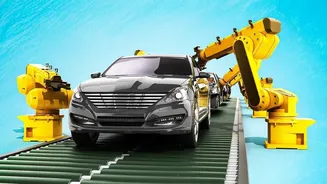
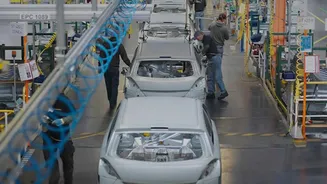
The path to lower costs is twofold. Firstly, solid-state batteries can be made with more abundant and less expensive materials. Secondly, their simpler and safer design reduces manufacturing complexity. Because they don't need the heavy and intricate cooling and safety systems that liquid-filled batteries require, the overall battery pack becomes simpler to produce and integrate into a vehicle's frame. While the initial manufacturing costs for this new technology are high, experts anticipate these expenses to fall significantly as production scales up through the late 2020s. As manufacturing matures, the reduced complexity and material costs are expected to translate directly into lower production line expenses for electric two-wheeler brands.
Beyond Price: A Leap in Performance
While affordability is a major driver, solid-state technology also promises to solve the other big concerns for EV buyers: range and charging time. Recent demonstrations have been impressive. For instance, Verge Motorcycles, in partnership with technology firm Donut Lab, has already integrated solid-state batteries into production models available in 2026. They claim these bikes can gain significant range from a charge of just a few minutes and have a total range that nearly doubles what was previously possible. Furthermore, these batteries have a much longer lifespan, potentially lasting for the entire life of the motorcycle, which reduces long-term ownership costs.
What This Means for India's EV Revolution
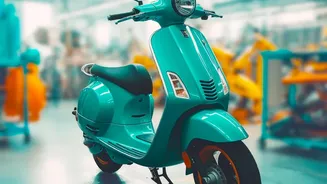
India's electric two-wheeler market is one of the fastest-growing in the world, driven by government incentives and rising consumer demand for cleaner, cheaper transport. The arrival of affordable solid-state batteries could supercharge this trend. For millions of daily commuters, an electric scooter that is not only cheaper to buy but also charges faster and travels farther on a single charge is a game-changing proposition. This could accelerate the shift away from petrol-powered vehicles, especially in crowded urban centers. As the technology becomes more mainstream, expect leading Indian and international brands to compete fiercely to integrate it into their scooters and motorcycles.
The Road Ahead: Timelines and Hurdles
Despite the excitement, a full transition won't happen overnight. While the first production vehicles with solid-state batteries are appearing in 2026, they are mostly in high-end, premium motorcycles. The consensus is that the technology will gradually trickle down to more affordable, mass-market electric scooters and bikes between 2028 and 2030 as manufacturing costs decrease. The key challenge remains scaling up production to meet the massive demand of markets like India while bringing the price down. However, with major players like Honda and Toyota also investing heavily and setting up demonstration production lines, the race to mass-market solid-state batteries is well and truly on.