


The Cutting Board Diagnosis
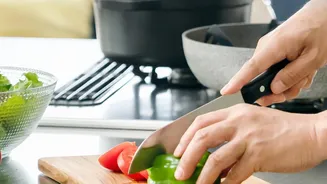
Before you blame your stove, take a close look at your cutting board. The way you cut your ingredients has a profound impact on their final texture. The most important principle is uniformity. When pieces of food are cut to different sizes, they cook
at different rates. In a pan of roasted vegetables, for instance, tiny bits of carrot will turn to mush while the larger chunks remain hard and undercooked. This inconsistency creates a dish with a muddled, unpleasant mouthfeel instead of a harmonious blend. Mastering basic, consistent cuts isn't about professional-level presentation; it's a fundamental step for ensuring everything cooks evenly and achieves the desired texture, whether that’s tender, crisp, or perfectly soft.
Why Size and Shape Truly Matter
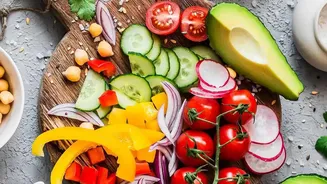
The size and shape of your cuts also influence how flavor is released and how heat penetrates the food. A thin, long strip of a vegetable will have more surface area exposed, allowing it to cook quickly and caramelize in a hot pan, ideal for a stir-fry. A larger, chunkier dice is better suited for a slow-cooked stew, where it has time to soften without completely breaking down. A small dice of onion will release its flavor more intensely and melt into a sauce, while larger slices will remain more distinct. Think of the cut as the instruction you give the ingredient on how to behave in the pan. An inconsistent cut sends mixed signals, resulting in textural chaos.
An Audit of Your Cooking Method
If your knife skills are consistent, it’s time to investigate your cooking process. One of the most common texture-destroying mistakes is overcrowding the pan. When you cram too many ingredients into a pan, they trap moisture and end up steaming instead of searing or roasting. This is the primary culprit behind soggy, pale vegetables that were meant to be crispy and caramelized. To fix this, cook in batches if necessary, ensuring each piece has enough space and direct contact with the hot surface. Another critical factor is temperature. If your oil or your oven isn't hot enough when the food goes in, ingredients will soak up oil and become greasy rather than developing a pleasant crust.
The Trio: Heat, Time, and Moisture
Perfect texture is a balancing act between heat, time, and moisture. For tough cuts of meat, the 'low and slow' method, like braising or stewing, is essential to break down connective tissue over time, resulting in a tender final product. Conversely, a thin steak requires high, fast heat to create a flavorful crust without overcooking the inside and making it chewy. For vegetables, managing moisture is key. Patting vegetables completely dry before roasting or pan-frying is non-negotiable; any surface water will create steam and prevent browning. Similarly, salting high-water vegetables like zucchini ahead of time can draw out excess moisture, ensuring they crisp up instead of turning into a mushy mess.
Solving for Toughness and Mushiness
Specific problems often have specific solutions that combine both cutting and cooking. If your meat is consistently tough, besides choosing the right cooking method, you can also tenderize it. Slicing meat against the grain shortens the muscle fibers, making it more tender to chew. Marinades with acidic components or even a brief soak in a baking soda solution can also help break down tough proteins before cooking even begins. For vegetables that turn to mush, the problem often lies in overcooking, which destroys the pectin that holds their cell walls together. This can be prevented by adding acidic ingredients like tomatoes or vinegar later in the cooking process, as acid can slow the softening of vegetables. By understanding these interactions, you can take direct control over the final texture of your dish.