




The New Corner Office with a View
Imagine a workday that begins not with the jarring sound of an alarm, but with the scent of blossoming coffee and the sight of mist weaving through the Western Ghats. This isn’t a weekend escape; it’s the new reality for a segment of India’s remote workforce.
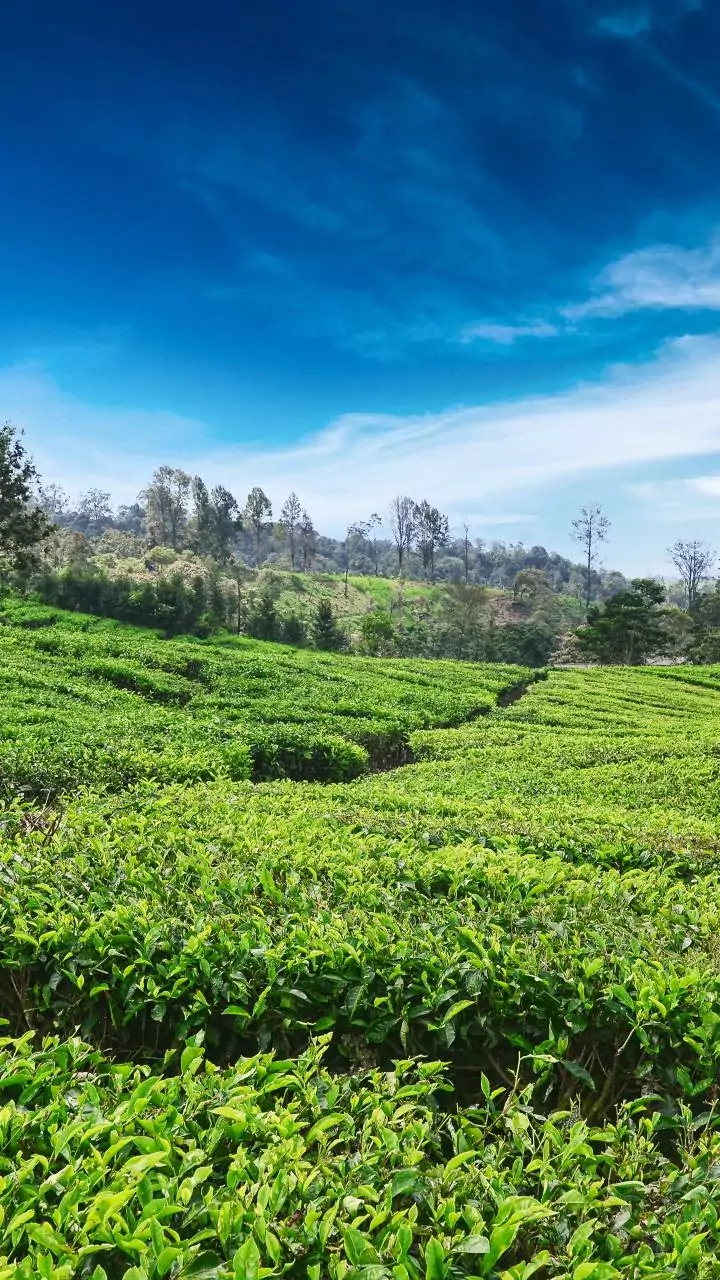
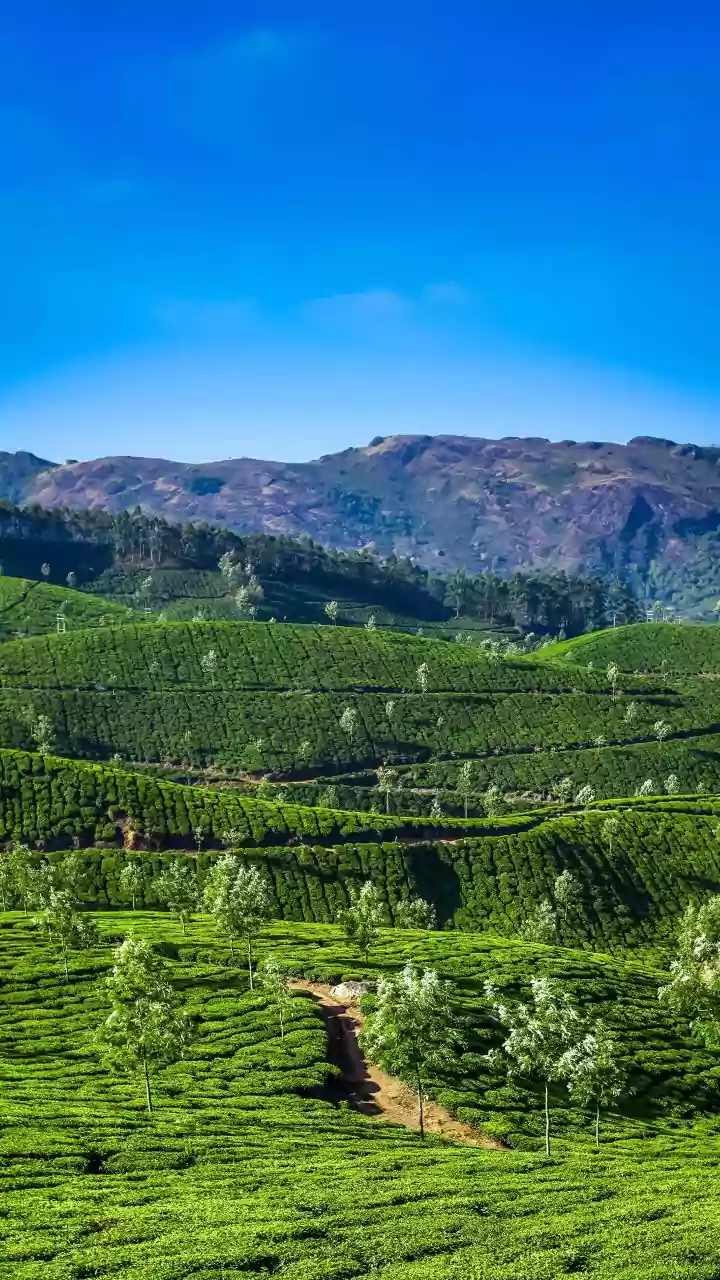
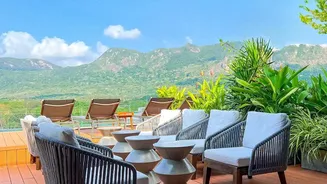
The corner office has been replaced by a veranda overlooking a 200-acre coffee and spice estate. Instead of conference room walls, there are sprawling plantations of Arabica and Robusta to gaze upon during a video call. This trend, often called a 'workation' or 'staycation', involves professionals taking up residence in homestays and villas for weeks or even months at a time, blending productivity with the immense calm of nature. The workday is punctuated by plantation walks, birdwatching, and sipping freshly brewed coffee from the very estate they are working from.
Driven by the Tier 2 Professional
While the concept of a workation isn't new, the driving force behind this particular trend is. It’s not just the big-city techies from Bangalore or Mumbai logging on from the hills. A significant number of these remote workers hail from India's Tier 2 cities like Mysore, Coimbatore, Mangalore, and Jaipur. Having experienced a 'reverse migration' back to their hometowns post-pandemic, these professionals are now seeking a better quality of life without the chaos of a metropolis. They value the lower cost of living and reduced congestion their cities offer but are now taking it a step further. For them, a few weeks in Coorg is an accessible upgrade, a chance to recharge their creative batteries away from the familiar urban grind, without committing to the expense and hassle of a major metropolitan hub.
Plug-and-Play Productivity is Key
This migration, however temporary, would be impossible without one crucial element: robust infrastructure. Coorg’s homestay owners have adapted swiftly to this new clientele. Where tourists once came to disconnect, today’s workationer demands to be connected. High-speed Wi-Fi, often tested to ensure it can handle video calls and seamless workflow, is now a standard offering. Many estate stays explicitly market themselves as ideal for remote work, highlighting amenities like dedicated workspaces, ergonomic seating, and, most importantly, power backup to navigate any electricity woes in the hilly terrain. This plug-and-play environment allows professionals to arrive with their laptops and be productive from day one, making the transition from a home desk to a plantation desk entirely seamless.
A Search for Slower, More Mindful Living
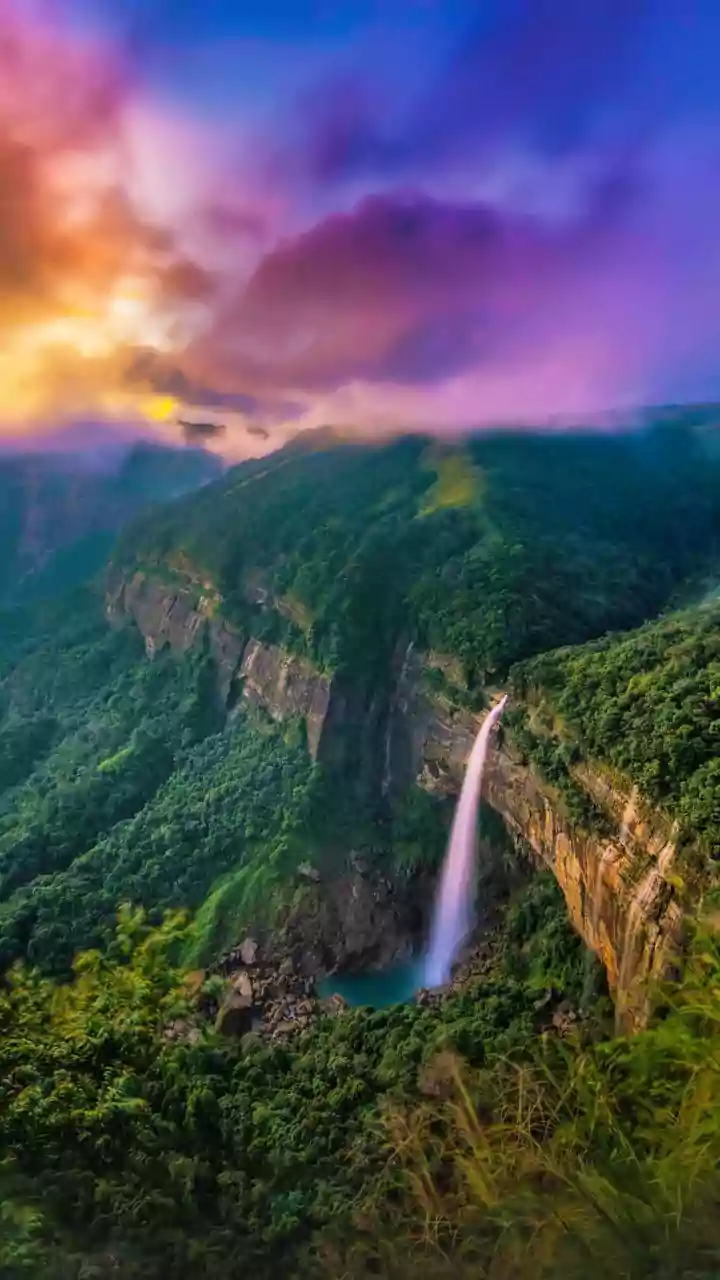
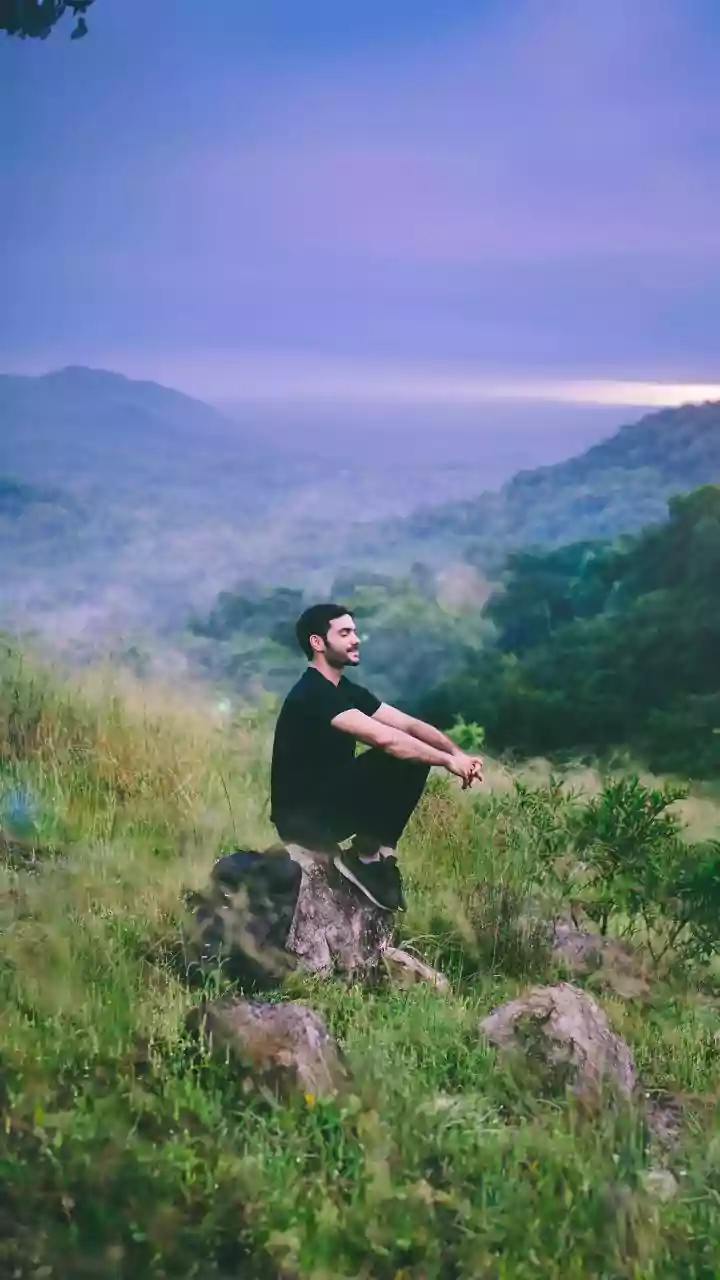
Beyond the practicalities, the trend is rooted in a deeper desire for a more balanced and mindful existence. The monotony of working from a single room for years has taken its toll, leading to burnout and a search for inspiration. The serene environment of a coffee estate offers a powerful antidote. Living amidst nature, with cleaner air and fewer distractions, contributes to improved mental and physical well-being. It’s a chance to slow down, find focus, and integrate work with leisure in a more organic way. After logging off, professionals can go trekking, explore waterfalls, or simply enjoy the quietude, activities that foster creativity and reduce stress in a way a city apartment cannot.
A Sustainable Brew for the Local Economy
This influx of long-stay remote workers is also creating a more sustainable model for Coorg's tourism-dependent economy. Unlike the weekend tourist rush, workationers provide a steady, year-round stream of income. They behave more like temporary residents, spending money at local shops and engaging with the community over more extended periods. This shift helps alleviate the 'feast or famine' cycle of seasonal tourism and reduces the environmental pressure of overcrowding during peak holiday seasons. For homestay owners, it means more consistent bookings and a clientele that values the peace and quiet their properties offer, ensuring the tranquil charm of Coorg is preserved rather than eroded by mass tourism.