
A New Morning Ritual
Across India's metropolitan centres, a growing number of families are making a conscious shift in their morning routines. Instead of reaching for convenient, processed breakfast options, they are turning back to traditional staples, but with a nutritious
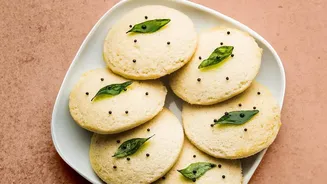
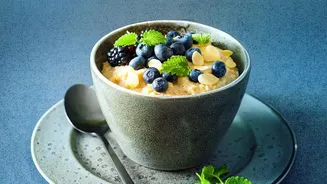
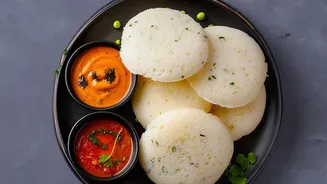
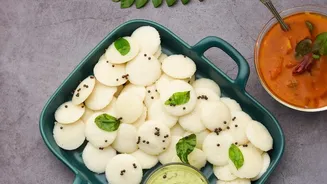
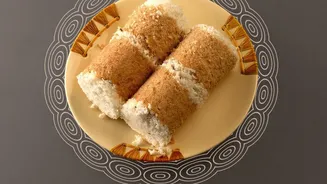
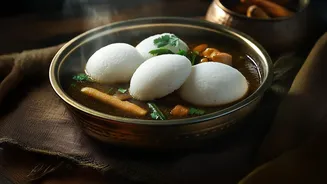
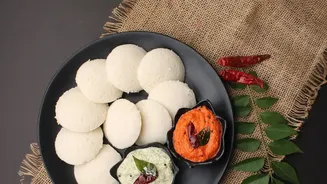
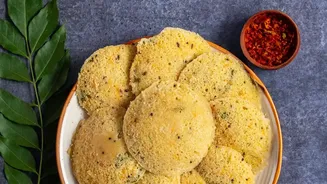
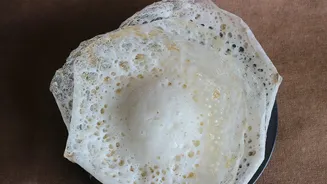
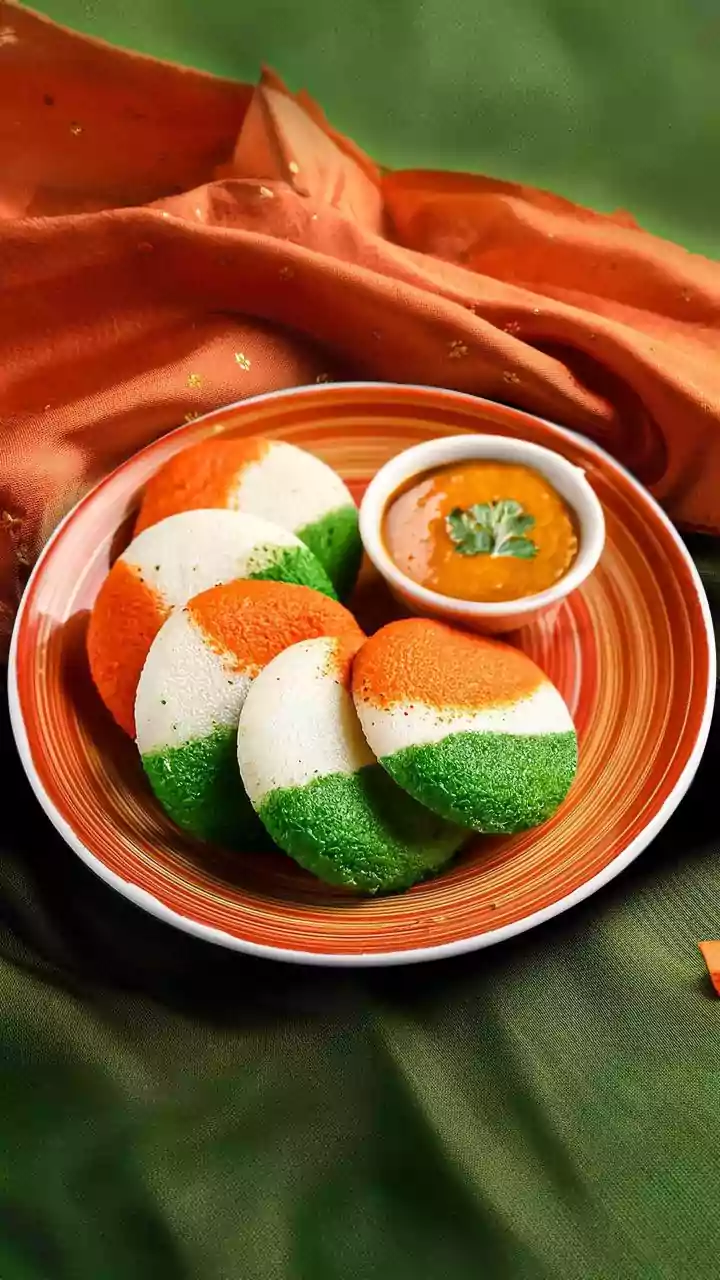
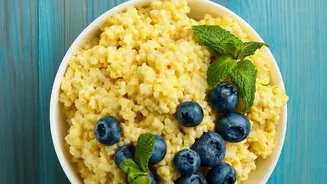
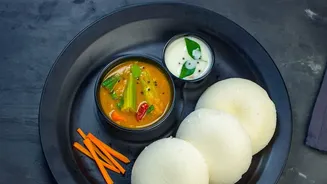
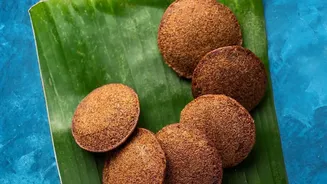
twist. Fluffy, fermented idlis and delicate, lacy appams, once made exclusively with rice, are now being crafted from a variety of millets like ragi, jowar, and foxtail millet. This isn't just about trying a new recipe; it's a deliberate choice to prioritise health, reconnect with cultural roots, and introduce a new generation to the flavours and benefits of their heritage. What was once dismissed as “poor man’s food” is now being celebrated as a superfood on modern dining tables.
More Than Just a Health Fad
While the health benefits are undeniable, the millet revival is about more than just nutrition. It’s a cultural shift. After decades where diets were dominated by rice and wheat, heavily promoted during the Green Revolution, Indians are looking inward. The UN’s declaration of 2023 as the International Year of Millets, a proposal championed by India, has significantly boosted awareness. This has sparked conversations about food security, climate-resilient agriculture, and supporting local farmers. Millets require far less water than rice and wheat and can thrive in arid conditions, making them a sustainable choice for an eco-conscious generation. For many urban families, choosing millet is a vote for a healthier planet and a stronger connection to India's agricultural backbone.
The Power Packed in Ancient Grains
So, what makes these tiny grains so powerful? Millets are a nutritional powerhouse. Naturally gluten-free, they are rich in dietary fibre, which aids digestion and promotes a feeling of fullness. Grains like ragi (finger millet) are packed with calcium, while jowar (sorghum) and bajra (pearl millet) are excellent sources of iron, protein, and essential minerals. Crucially, they have a low glycaemic index, meaning they release sugar into the bloodstream slowly, helping to manage blood sugar levels and prevent energy crashes. For families dealing with lifestyle diseases like diabetes, which are on the rise in urban India, incorporating millets into daily meals like breakfast is a simple yet effective dietary strategy.
From Niche to Mainstream
This revival wouldn't be possible without a crucial change: accessibility. For years, millets were hard to find in city stores. Today, a new ecosystem is flourishing. Startups and health food brands are offering everything from whole grains to ready-to-cook idli and dosa batters made from various millets. This convenience is key for time-strapped urban households. They can enjoy the health benefits without the perceived difficulty of cooking with unfamiliar ingredients. Supermarket shelves now feature millet-based pasta, noodles, and cookies, but it is the embrace of traditional forms like idli and appam that signals a deeper, more meaningful integration of these grains into daily life.
A Taste of Heritage
Ultimately, food is about emotion, memory, and connection. For many, making millet-based dishes is a way to recreate the tastes of their childhood or connect with a regional identity that can feel distant in a cosmopolitan city. It’s about sharing stories of grandmothers soaking grains and grinding batters by hand. Serving a plate of soft ragi idlis is not just providing a nutritious meal; it’s passing down a piece of cultural heritage. By bringing these ancient grains back to the breakfast table, urban families are ensuring that the wisdom of the past has a flavourful and nourishing role in the future.