








Choose Fabrics Wisely
The golden rule of monsoon travel is to avoid cotton. It absorbs moisture, becomes heavy, and takes ages to dry in high humidity. Instead, opt for lightweight, synthetic fabrics like polyester and nylon for your clothes. These materials are 'quick-dry,'
wicking moisture away from your skin to keep you comfortable. Layering is also a smart strategy. Pack quick-dry t-shirts, a fleece jacket for cooler evenings, and a reliable outer layer. This allows you to adapt to sudden temperature changes, which are common during monsoon treks.
Invest in Proper Rainwear
A good quality waterproof jacket is non-negotiable. Don't confuse 'water-resistant' with 'waterproof.' A truly waterproof jacket, ideally with sealed seams and a hood, will be your primary shield against downpours. For comprehensive protection, especially during treks, consider adding waterproof pants to your kit. A poncho can be an excellent alternative, as it’s lightweight and can cover both you and your backpack, offering an extra layer of defence against the rain.
The Right Footwear is Crucial
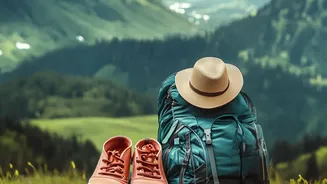
Monsoon trails are often muddy, slippery, and riddled with puddles. Your regular sneakers won't cut it. Invest in a pair of waterproof trekking shoes with a deep, aggressive tread for superior grip. Ankle support is a bonus for navigating uneven terrain. For less strenuous activities or relaxing at your stay, a pair of sturdy rubber sandals or floaters with a good grip can be very useful. Always pack at least one extra pair of moisture-wicking socks to keep your feet dry and prevent blisters.
Protect Your Belongings
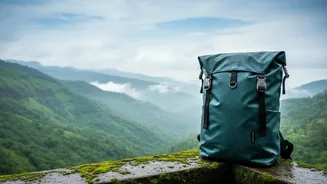
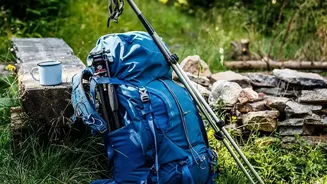
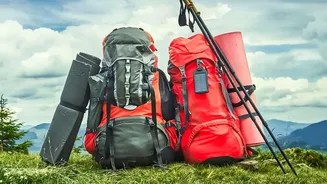
Keeping your gear dry is as important as keeping yourself dry. A waterproof backpack is ideal, but a reliable rain cover for your existing rucksack is a must-have item. For an extra layer of security, organize your belongings inside the backpack using dry bags or even simple zip-lock pouches. This is especially critical for electronics like your phone, camera, and power bank, as well as for important documents and a change of clothes.
Don't Forget Health and Safety
The monsoon season sees an increase in insects, particularly mosquitoes. A strong insect repellent is essential to protect against bites and potential diseases. Your first-aid kit should be well-stocked with antiseptic wipes, bandages, pain relievers, and any personal medications. Given the damp conditions, including an anti-fungal powder can be a wise move. A flashlight or headlamp is also vital, as remote areas can experience power cuts and visibility can be low on misty trails.
Pack These Small Game-Changers
Some of the most useful items are small and easy to pack. A quick-dry microfiber towel is far more practical than a bulky cotton one. A portable charger or power bank ensures your devices stay powered, even during outages. Extra zip-lock or plastic bags are incredibly versatile for segregating wet clothes, protecting items from moisture, or carrying snacks. Finally, bringing a few sheets of newspaper to stuff into wet shoes overnight can help absorb moisture and speed up the drying process.