





Why Rain and Night are a Dangerous Mix
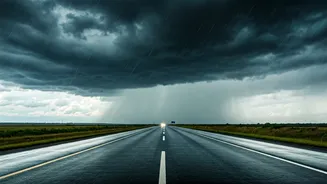
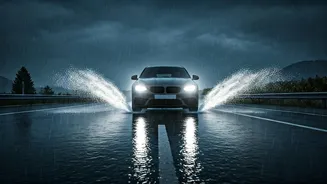
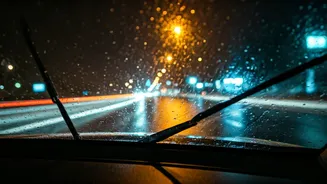
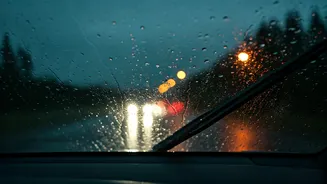
Driving at night is already challenging due to reduced visibility. When you add rain, the dangers multiply. Headlight glare reflecting off wet roads can be blinding for you and oncoming drivers. Rainwater obscures lane markings and conceals potentially
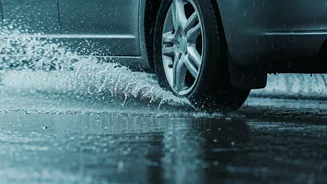
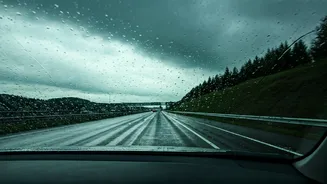
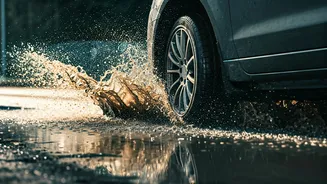
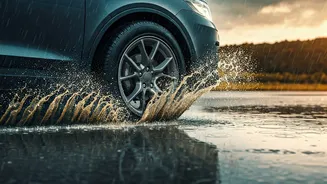
deep and dangerous potholes. The first 10 minutes of a light rain are often the most treacherous, as the water mixes with oil and grime on the road, creating an unexpectedly slick surface. This loss of traction can lead to hydroplaning, where your tyres lose contact with the road and you lose control of the vehicle. Even a small amount of water is enough to cause this. Furthermore, heavy downpours drastically reduce how far you can see, making it difficult to react to sudden obstacles or changes in the road. It's a combination of factors that demands extreme caution, if not complete avoidance.
Your Pre-Drive Vehicle Health Check
Before you even think about driving at night in the rain, a thorough vehicle check is non-negotiable. Start with the essentials for visibility: your lights and wipers. Ensure all lights—headlights, tail lamps, brake lights, and indicators—are functioning perfectly. Clean any yellowed or foggy headlamp lenses that can significantly reduce light output. Next, inspect your wiper blades. If they leave streaks or make noise, replace them immediately for a clear view. Don't forget to top up your windshield washer fluid. Tyres are your only contact with the road, so their condition is critical. Check that the tread depth is adequate—at least 3mm is recommended for wet conditions—to effectively channel water away and prevent hydroplaning. Also, ensure your tyres are inflated to the manufacturer's recommended pressure. Finally, give your brakes a quick check. If they feel spongy or the car pulls to one side, it's best to leave the car at home.
Safe Driving Techniques on Wet Roads
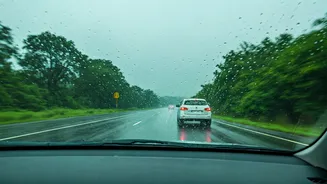
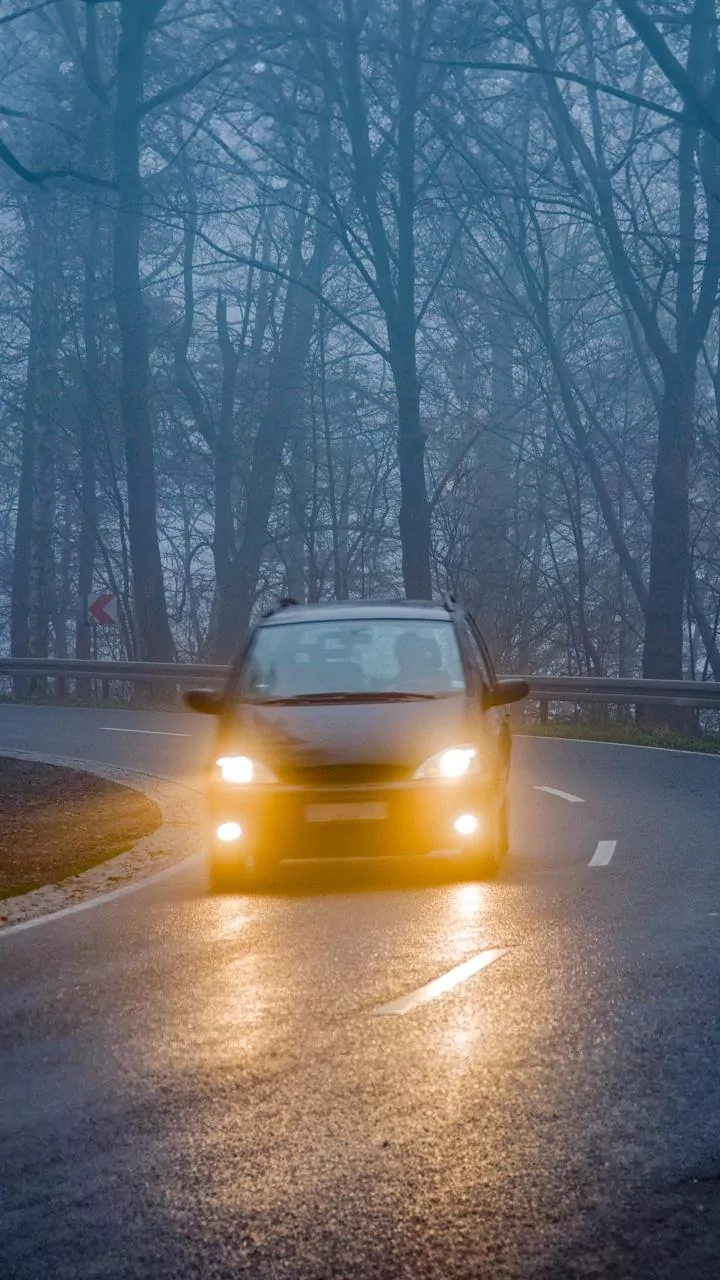
If you must drive, adapting your technique is crucial. The single most important adjustment is to slow down. Reduced speed gives your tyres more time to grip the road and increases your reaction time. Maintain a much larger following distance from the vehicle in front—at least double what you would in dry conditions. This is because braking distances are significantly longer on wet surfaces. Use your low-beam headlights, even in well-lit areas, to make yourself more visible to other drivers and pedestrians without causing glare. Avoid sudden movements; brake gently, accelerate smoothly, and take turns with care. Try to drive in the tracks of the vehicle ahead of you, as their tyres will have cleared some of the surface water. Be especially wary of puddles, as they can hide deep potholes or cause you to hydroplane. If possible, stay in the middle lanes of the highway, as water tends to accumulate in the outer lanes.
Emergency Plan: If You Get Stranded
Even with preparation, things can go wrong. If your car stalls in a waterlogged area, do not attempt to restart the engine. This can cause water to be sucked into the engine, leading to catastrophic and permanent damage, a condition known as hydrostatic lock. The safest course of action is to turn on your hazard lights, assess the situation, and call for roadside assistance. If the water is rising around your vehicle but is stationary, it may be safer to abandon the car and move to higher ground. However, never enter fast-moving water; just six inches of moving water can knock you off your feet, and a foot can sweep a vehicle away. If you are trapped, try to open or break a window to escape before the water pressure outside makes it impossible to open the doors. Having an emergency kit with a flashlight, first-aid supplies, and water can be invaluable in such situations.