

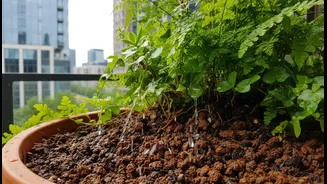


The Covered Balcony Challenge
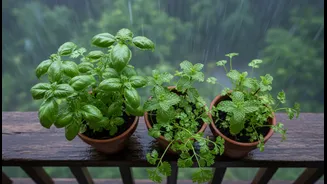
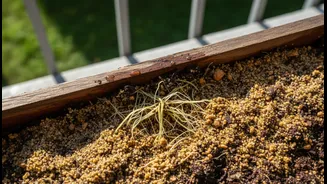
Gardening on a covered balcony presents a unique set of challenges that differ from a backyard or an open terrace. Without natural rainfall, you have complete control over watering, but this also means there is no natural process to flush away excess
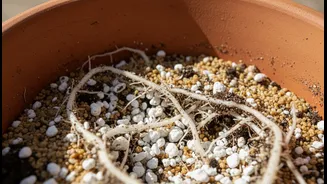
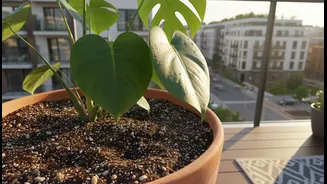
salts that build up from fertilizers. Over time, this can make the soil toxic to plants. Furthermore, soil in containers tends to compact, reducing the air pockets that roots need to breathe. This problem is often worse on covered balconies, where the lack of rain and consistent drying cycles can cause potting mixes to shrink and harden. Addressing these issues is the first step toward creating a sustainable green space.
Demystifying 'Smart Sand Blends'
The term 'smart sand blend' isn't about a magical product, but rather the intelligent selection and combination of materials to enhance your soil. It refers to amending your potting mix with coarse, gritty materials to improve drainage and aeration permanently. This is crucial because standard garden soil is too dense for containers and can quickly become waterlogged, suffocating plant roots. A 'smart' blend moves beyond just soil and considers the entire structure needed to support plant life in an artificial environment. The goal is to create a mix that holds enough moisture but allows excess water to drain away freely, preventing root rot and compaction.
Choosing the Right Kind of Sand
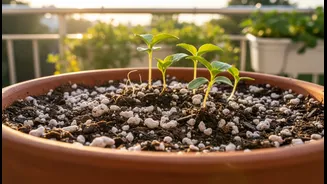
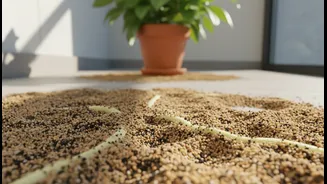
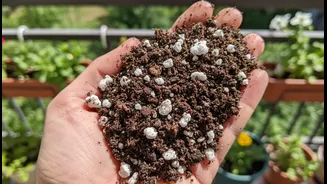
Not all sand is created equal, and using the wrong type can do more harm than good. Fine sands, like play sand or beach sand, have small, smooth particles that can fill the air gaps in your soil, making compaction even worse. Instead, you should use coarse, sharp sand. Horticultural sand, also known as sharp sand or builder's sand, is ideal. These sands are composed of larger, angular particles that create stable air pockets within the soil, dramatically improving drainage. Perlite and vermiculite, which are lightweight volcanic materials, serve a similar purpose and are excellent additions to any 'smart blend' for aeration.
The Ideal Balcony Soil Recipe
Creating your own long-lasting soil mix is straightforward. A proven formula balances moisture retention, nutrients, and drainage. Start with this basic recipe and adjust based on your specific plants. For a general-purpose mix, combine: 2 parts high-quality compost for nutrients and organic matter. 1 part coconut coir or peat moss for moisture retention. 1 part coarse sand or perlite for drainage and aeration. For plants that prefer drier conditions, like succulents or Mediterranean herbs, you can increase the sand or perlite to two parts. Before mixing, it's a good idea to lightly moisten the peat moss or coir, as they can be difficult to hydrate when completely dry.
Long-Term Care and Maintenance
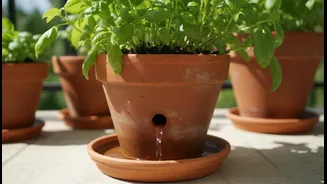
Even the best soil needs maintenance. For covered balconies, the most important practice is proper watering. Every few weeks, water your pots thoroughly until water runs freely from the drainage holes. This flushing process helps wash away the accumulated salts from fertilizers. Each year, you can rejuvenate your soil without completely replacing it. Simply scrape off the top two inches of old soil and top-dress the container with a fresh layer of compost or worm castings. This replenishes nutrients and organic matter that have been depleted over the growing season, ensuring your soil remains fertile and structurally sound for years to come.