

A Taste of Something New
Across India, a quiet culinary revolution is taking place in home kitchens. While classic festive staples remain at the heart of celebrations like Diwali, Eid, and Holi, a growing number of home cooks are adding their own inventive twists. We're seeing
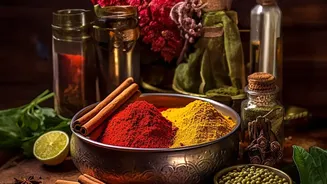
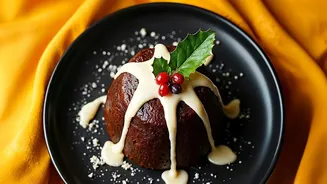
saffron and cardamom, traditionally reserved for kheer or barfi, now flavoring Italian panna cotta. The beloved gulab jamun is no longer just a syrup-soaked sweet; it's being layered into trifles, stuffed into cupcakes, and even forming the base of no-bake cheesecakes. Savory dishes are getting a similar treatment, with creations like cheesy schezwan paneer sliders and biryani-inspired arancini balls making appearances at festive gatherings. This isn't about replacing tradition, but expanding it, creating a menu that tells a story of both heritage and personal creativity.
The Social Media Effect
So, what's driving this wave of innovation? A huge part of the answer lies in our phones. Platforms like Instagram and YouTube have become virtual culinary schools and sources of endless inspiration. Home cooks, particularly younger millennials and Gen Z, are exposed to global food trends daily. A beautifully shot reel of a 'rasmalai tres leches cake' or 'paan-flavored macarons' can spark curiosity and a desire to experiment. Food bloggers and influencers have been instrumental in this shift, not only showcasing their own fusion creations but also making complex techniques seem accessible through short, engaging videos. This digital exposure empowers home cooks, giving them the confidence and the ideas to move beyond family recipes and put their own signature on the festive spread.
A New Definition of 'Authentic'
This trend is about more than just novelty; it reflects a deeper cultural shift. For many, especially those living in nuclear families or away from home, cooking has become a way to connect with their roots on their own terms. They are recreating the flavors of their childhood while adapting them to modern lifestyles and palates. This new generation of cooks is blending the familiar comfort of Indian spices with global techniques, creating food that feels both personal and innovative. The goal isn't to create a confusing mashup, but a thoughtful blend that honors the original flavors. An 'almond butter barfi' on a biscuit base or 'gajar ka halwa' truffles are not seen as inauthentic, but as a creative evolution of a beloved classic. It’s a redefinition of authenticity, where tradition is a starting point for conversation, not a rigid set of rules.
Tradition and Modernity, Side by Side
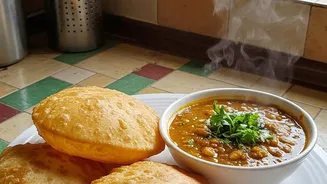
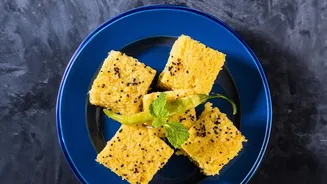
It’s important to note that this experimental spirit doesn't mean the end of traditional festive food. The classics like samosas, dal makhani, and besan ladoo are not disappearing. Instead, these fusion dishes are being served alongside them, offering variety and an element of surprise. A festive table might feature a traditional biryani as the centerpiece, with smaller plates of fusion appetizers on the side. This approach allows families to honor long-standing traditions while also embracing the excitement of the new. It reflects the reality of modern India itself—a place where global influences and deep-seated cultural pride coexist and enrich one another. This balance ensures that while menus evolve, the core spirit of festive food—sharing joy and abundance with loved ones—remains unchanged.