




More Than Just Green Tea
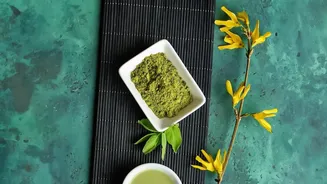
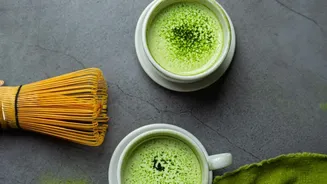
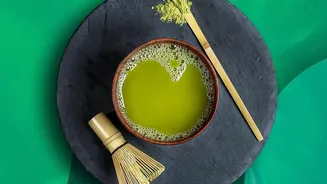
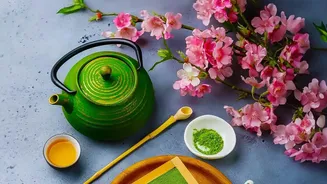
First things first: matcha is not just powdered green tea. Originating from Japan, it is made from specially grown, shade-covered tea leaves that are stone-ground into a fine powder. Unlike regular tea, where you discard the leaves after steeping, with
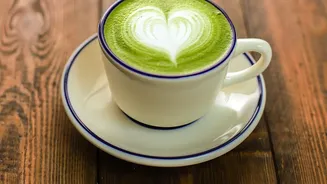
matcha you consume the entire leaf. This method delivers a more potent dose of antioxidants, vitamins, and a unique amino acid called L-theanine, which is credited with providing a feeling of calm, focused energy—a key reason some are swapping their morning coffee for a matcha latte. This 'calm energy' without the jittery crash associated with coffee is a significant part of its appeal for a generation grappling with anxiety and burnout.
The Wellness and Lifestyle Factor
The rise of matcha in Bengaluru is deeply intertwined with a broader global shift towards wellness and mindful living. For health-conscious millennials and Gen Z, matcha fits perfectly into a lifestyle that prioritizes clean eating and mental well-being. It's seen as a 'superfood', packed with antioxidants that boost metabolism and improve focus. But its popularity isn't just about health; it's also a lifestyle marker. Drinking matcha is seen as a sophisticated, modern ritual that aligns with a global aesthetic, moving it from a niche health product to a mainstream desire.
An Instagrammable Sensation
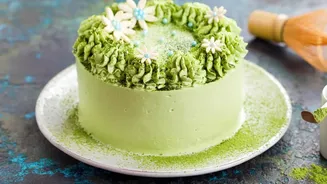
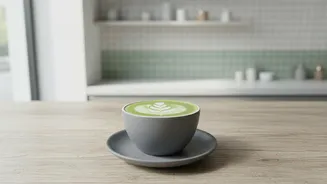
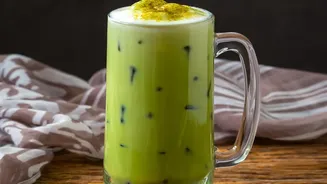
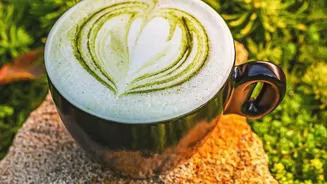
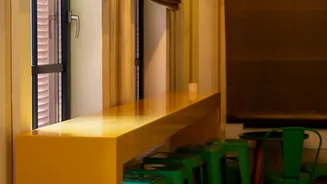
There's no denying the visual appeal. Matcha's brilliant green hue makes it one of the most 'Instagrammable' beverages on any menu. In a city where cafe aesthetics are paramount, matcha delivers a photogenic punch that both cafes and customers love to share. Specialised matcha bars are emerging with minimalist, Japanese-inspired decor that provides the perfect backdrop for a vibrant green latte or soft-serve ice cream. Cafes like Ela Matcha and Purpose Matcha + Coffee House are designed with an intentional, slow, and aesthetic experience in mind, turning a simple drink into shareable content. This visual allure is a powerful engine for the trend, as every post and story introduces matcha to a wider audience.
The Bengaluru Twist
While the trend is global, Bengaluru's cafes are not just copying what they see elsewhere; they are innovating. The city's culinary scene is known for its creative fusion, and matcha is no exception. Beyond the classic latte, menus now feature inventive concoctions that cater to local tastes. You might find a Matcha Aam Panna, blending the earthy tea with the nostalgic tang of roasted green mango, or creative pairings like Strawberry Matcha and Mango Matcha. Establishments like Sakura Matcha Bar, considered a pioneer in the city, offer a range from traditional ceremonial matcha to playful soft serves, while others infuse the powder into everything from French toast to panna cotta. This localisation makes the foreign flavour more accessible and exciting for the Indian palate.
A New Kind of Cafe Experience
The matcha movement is also reshaping the cafe experience itself. Dedicated matcha bars are creating spaces for a quieter, more mindful ritual compared to the bustling energy of a typical coffee shop. Founders of places like Sakura Matcha Bar and Purpose Matcha + Coffee House often come from diverse backgrounds, bringing a passion for quality and authenticity to their ventures. They are educating consumers on the difference between ceremonial and culinary grade matcha and hosting workshops. This focus on craft and community is fostering a dedicated following, suggesting that matcha is more than a fleeting fad; it's a new, enduring pillar in Bengaluru's rich cafe landscape.