







The Science of Rainy Day Cravings
The connection between gloomy weather and a desire for specific foods isn't just a coincidence; it's a biological response. The primary driver is the reduction in sunlight. Less sun exposure can lead to a dip in the brain's production of serotonin, a neurotransmitter
that helps regulate mood and feelings of happiness. When serotonin levels are low, the body instinctively seeks ways to boost them. One of the quickest methods is by consuming carbohydrates, which is why carb-heavy snacks like samosas and pakoras suddenly seem so appealing. This boost is often temporary, which explains why the cravings can feel constant on a long, rainy day.
The Allure of Warmth and Crunch
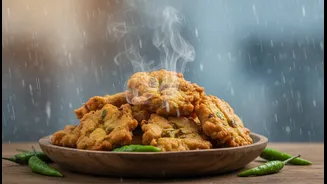
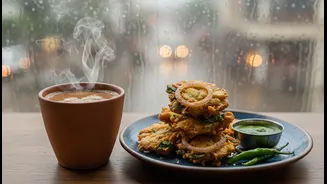
Monsoon brings a noticeable drop in ambient temperature. In response, our bodies seek warm, calorie-dense foods to help maintain core body temperature, a process known as thermogenesis. A steaming cup of tea or a hot bowl of soup provides immediate physical warmth that feels deeply comforting when the weather outside is cool and damp. There's also a satisfying psychological contrast at play. The crunchy texture of fried foods like bhajiyas stands in stark opposition to the damp, humid environment, making them particularly satisfying. This textural appeal, combined with the dopamine hit from fat and salt, makes fried snacks a multi-sensory answer to the monsoon blues.
Humidity and Its Effect on Digestion
High humidity doesn't just make the air feel heavy; it can also affect our internal systems. Both modern science and traditional Ayurvedic principles suggest that digestion can become more sluggish during the monsoon season. According to Ayurveda, the body's digestive fire, or 'Agni', is naturally weaker during this time. This can lead to feelings of bloating and heaviness after meals. Interestingly, some spicy foods are also craved during this time. The compound capsaicin, found in chillies, can trick nerve receptors into thinking we've eaten something hot, triggering the brain to release pleasure-inducing dopamine. This might explain the desire for spicy chutneys alongside those fried snacks.
The Comfort of Nostalgia and Ritual
Beyond the science, our monsoon cravings are deeply tied to memory and emotion. For many, the act of sharing hot snacks and chai during a downpour is a cherished ritual linked to childhood, family, and feelings of safety. This concept, known as associative learning, means our brains create a strong link between the rain and the comforting foods enjoyed during it. Over the years, the smell of the first rain (petrichor) can be enough to trigger these nostalgic cravings before you've even consciously thought about food. These foods act as a form of edible comfort, temporarily improving mood and providing a sense of connection and well-being.