




From Weight Loss to Wellness
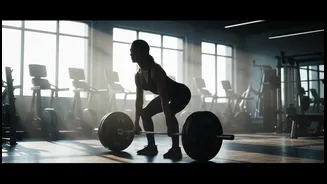
The conversation in gyms and online fitness communities across India is changing. The question is no longer just “How much weight did you lose?” but “How much can you lift?”. This represents a significant philosophical pivot away from a culture that long equated
thinness with health and virtue. For decades, the goal was subtraction — eating less to weigh less. The new narrative is about addition: adding muscle, strength, and capability. This shift is partly fuelled by a growing body positivity movement and a deeper understanding of holistic health, where the number on a scale is just one data point, and not the most important one. Women are increasingly seeking fitness that makes them feel good and perform well in their daily lives, rather than just chasing an aesthetic ideal.
The Rise of Functional Strength
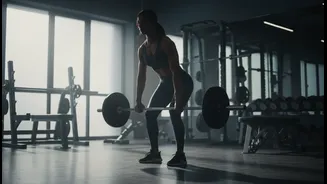
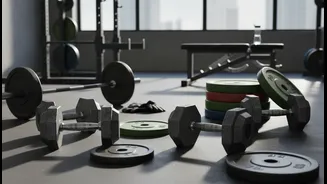
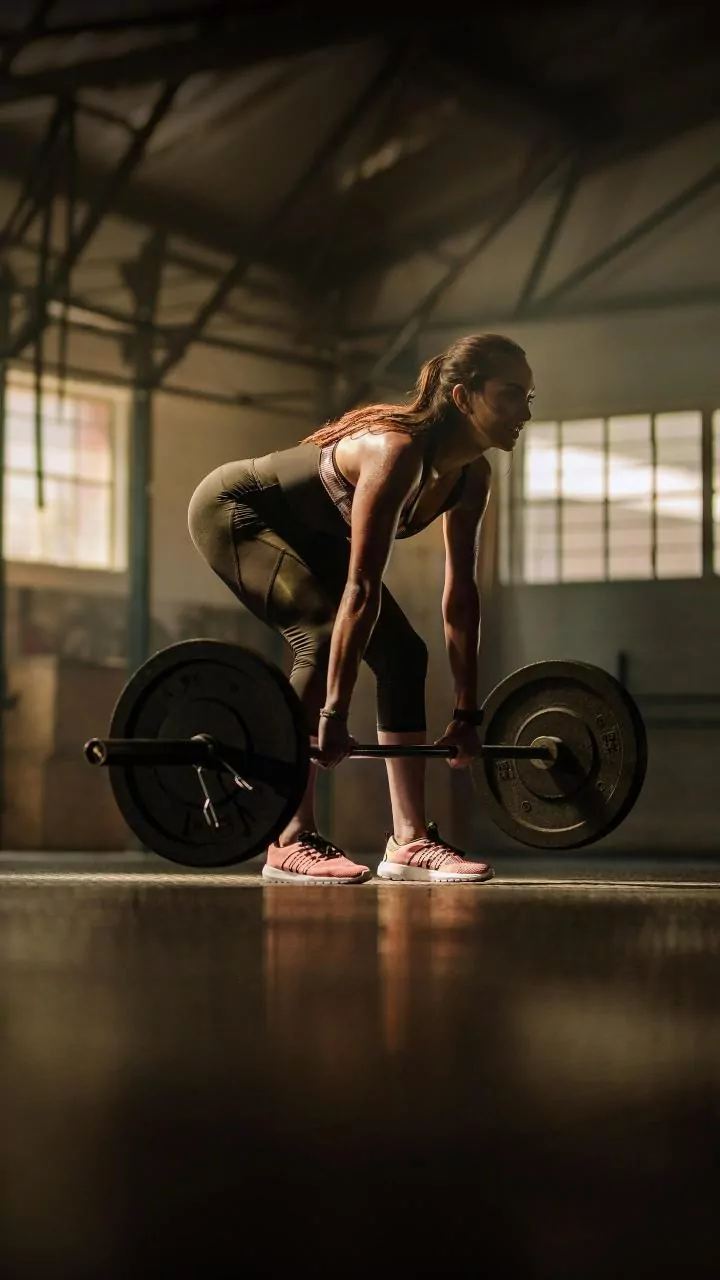
At the heart of this trend is the embrace of strength and functional training. Unlike exercises that isolate small muscles for appearance, functional fitness focuses on compound movements that mimic real-world tasks. Think squats, deadlifts, and kettlebell swings. The goal is to build practical strength that translates to everyday life: carrying heavy groceries, lifting a child without strain, or simply moving through the world with more confidence and less risk of injury. This form of training strengthens the entire system—muscles, joints, and core—improving balance, posture, and mobility. It’s a move from training for looks to training for life, building a body that is not just lean, but resilient and capable.
Debunking the 'Bulky' Myth
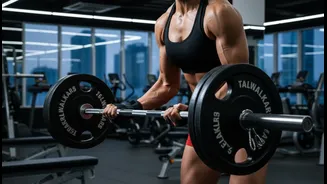
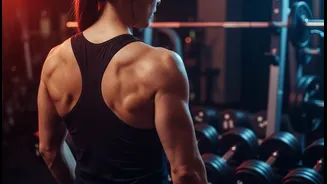
One of the biggest hurdles women have historically faced when approaching weightlifting is the fear of becoming “bulky.” This persistent myth has discouraged generations of women from picking up heavier weights. However, trainers and experts are successfully debunking this misconception. Due to lower natural testosterone levels, it is significantly harder for women to build large, bulky muscles. The result of consistent strength training for most women is a leaner, stronger, and more sculpted physique—not a bodybuilder’s frame. As more women share their progress online, they provide visible proof that strength is not exclusively masculine, creating a powerful ripple effect that encourages others to step into the weights section of the gym without fear.
A Boost for Body and Mind
The benefits of this shift extend far beyond the physical. Lifting weights offers a profound mental and emotional boost. The process of getting progressively stronger provides a tangible sense of accomplishment that restrictive dieting often fails to deliver. This has been linked to improved mood and reduced symptoms of anxiety and depression. For many, the gym has become a space of empowerment, where they can challenge themselves and witness their own growing capabilities. This mental fortitude spills over into other areas of life. Furthermore, strength training is a powerful tool for long-term health, helping to increase bone density, reduce the risk of osteoporosis, improve insulin sensitivity, and boost metabolism.
Building a Community of Strength
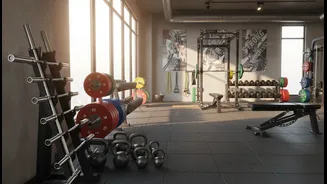
This movement isn't happening in isolation. Social media platforms have been instrumental in connecting women, allowing them to share workout tips, celebrate personal records, and find inspiration. The visibility of female fitness influencers and trainers who champion strength has normalised lifting for a wider audience. This digital community is complemented by a growing number of inclusive physical spaces, from women-only gyms to trainers who foster supportive environments. Seeing other women succeed, whether online or in person, makes the journey less intimidating and reinforces the idea that strength training is a space where women belong and can thrive.