


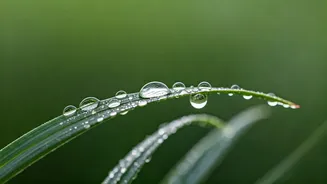
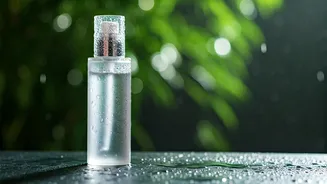


Why High Humidity Confuses Your Skin
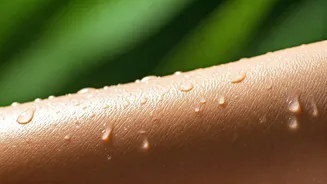
The sticky, damp feeling of monsoon air can be deceptive. While you might feel moisturised, high humidity can paradoxically lead to dehydrated skin. [7] The moisture in the air often encourages the skin's sebaceous glands to produce more oil, leading
to a greasy appearance and clogged pores. [7, 19] This excess surface oiliness can mask underlying dehydration, where your skin is losing water. This happens because the skin's barrier can be compromised, leading to transepidermal water loss (TEWL) — where water evaporates from your skin, even in humid conditions. [6] This combination of surface oiliness and internal dryness is why your skin might feel both greasy and tight during the rainy season. [17]
Hydration vs. Moisturization: The Monsoon Difference
Understanding the difference between hydrating and moisturising is crucial for monsoon skincare. Hydrators are ingredients called humectants (like hyaluronic acid and glycerine) that attract water and pull it into the skin. [3, 6] Moisturisers, on the other hand, contain oily substances (occlusives and emollients) that create a barrier on the skin to lock that water in. [13] During the dry winter, you might need a heavy, occlusive moisturiser. But in the humid monsoon, your skin benefits more from lightweight layers of hydration. The focus should be on giving your skin a drink of water, not coating it in heavy oils that can feel suffocating and clog pores in the damp weather. [16, 23]
Your Updated Cleansing Routine
To combat the increased oil and sweat, it's tempting to wash your face constantly, but this can be counterproductive. [23] Over-washing, especially with harsh cleansers, strips the skin’s natural protective barrier, leading to irritation and even more oil production as the skin tries to compensate. [23] Instead, stick to cleansing twice a day with a gentle, non-comedogenic, and pH-balanced face wash. [15, 22] A gel-based or foaming cleanser can be effective at removing impurities without stripping the skin. [16, 21] For those who wear makeup, a double cleanse in the evening—starting with an oil-based cleanser followed by a water-based one—is an effective way to ensure everything is removed. [2]
The Art of Layering Smart Hydrators
This is where “smarter hydration” comes into play. Instead of one heavy cream, think in thin, water-rich layers. After cleansing, use an alcohol-free toner to remove any last traces of impurities and balance the skin. [20] Follow this with a hydrating serum. Look for ingredients like hyaluronic acid, which can hold up to 1,000 times its weight in water and thrives in humid climates by pulling moisture from the air into your skin. [3, 17] Other star ingredients for lightweight hydration include niacinamide, which strengthens the skin barrier and controls sebum, and panthenol (Vitamin B5) for its soothing properties. [8, 16] Applying these serums to slightly damp skin can enhance their effectiveness. [3]
Choosing a Monsoon-Friendly Moisturiser
Even with all that humidity, you must not skip moisturiser. Doing so can cause your skin to produce even more oil to compensate. [15, 23] The trick is to choose the right kind. Heavy creams are out; lightweight, oil-free formulas are in. Gel-based or water-based moisturisers are perfect for the monsoon as they absorb quickly, providing hydration without feeling greasy or sticky. [5, 10] Look for non-comedogenic formulas to ensure they won't clog your pores. [18] Ingredients like ceramides can still be beneficial in a light formula to help support the skin's barrier without adding weight. [2]
Don’t Let the Clouds Fool You: Use Sunscreen
One of the most common skincare mistakes during the monsoon is skipping sunscreen. [15] Just because the sun is hidden behind clouds doesn't mean harmful UVA and UVB rays can't reach your skin. [22] These rays are a primary cause of premature ageing and pigmentation. For the humid season, a lightweight, gel-based, or matte-finish sunscreen with at least SPF 30 is ideal. [5, 15] Look for water-resistant formulas that can withstand sweat and the occasional drizzle, ensuring you stay protected all day. [21]