

Saturn Nears Its Best
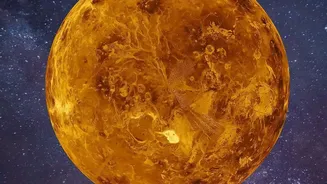
The main event for planet-watchers this period is Saturn. The famous ringed planet is heading towards its annual opposition on October 4, 2026. This means it is getting progressively brighter in our night sky. In late August, Saturn will be visible for most
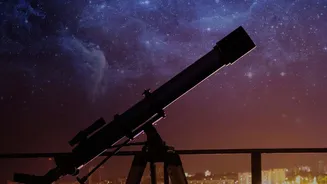
of the night, rising in the east around sunset and shining prominently in the constellation Cetus. For an amateur, it will appear as a steady, bright, yellowish point of light. While you’ll need a telescope to resolve its iconic rings, its brightness and steady presence make it a satisfying and easy target to spot with just your eyes. Look for it in the evening sky; its regal, unwavering light distinguishes it from the twinkling stars.
The Summer Triangle Overhead
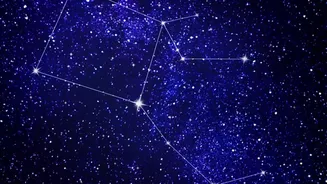
One of the most recognizable star patterns of the season, the Summer Triangle, will be positioned high overhead in the evenings. This is not a constellation but an asterism, a prominent pattern made of three bright stars from three different constellations. The trio consists of Vega (in the constellation Lyra), Deneb (in Cygnus), and Altair (in Aquila). Vega will be one of the brightest stars you can see. Look almost directly overhead after dark to spot it. From there, you can trace the large triangle. This asterism is so bright that it's visible even from city suburbs and serves as a fantastic landmark for navigating the summer night sky.
A Glimpse of the Milky Way
Late August provides a great opportunity to catch the heart of our own galaxy, the Milky Way. On clear nights with no moon, find a location away from city lights, let your eyes fully adjust to the darkness for about 20 minutes, and look towards the south. The Milky Way will appear as a faint, hazy band of light stretching across the sky, dense with stars. The core of the galaxy lies in the direction of the constellation Sagittarius. The 'teapot' shape of Sagittarius can be seen low on the southern horizon, with the 'spout' of the teapot pointing directly at the galaxy's bright centre. This is one of the most awe-inspiring sights accessible to the naked eye.
Favourable Moonless Nights
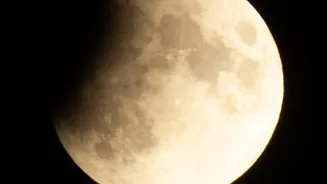
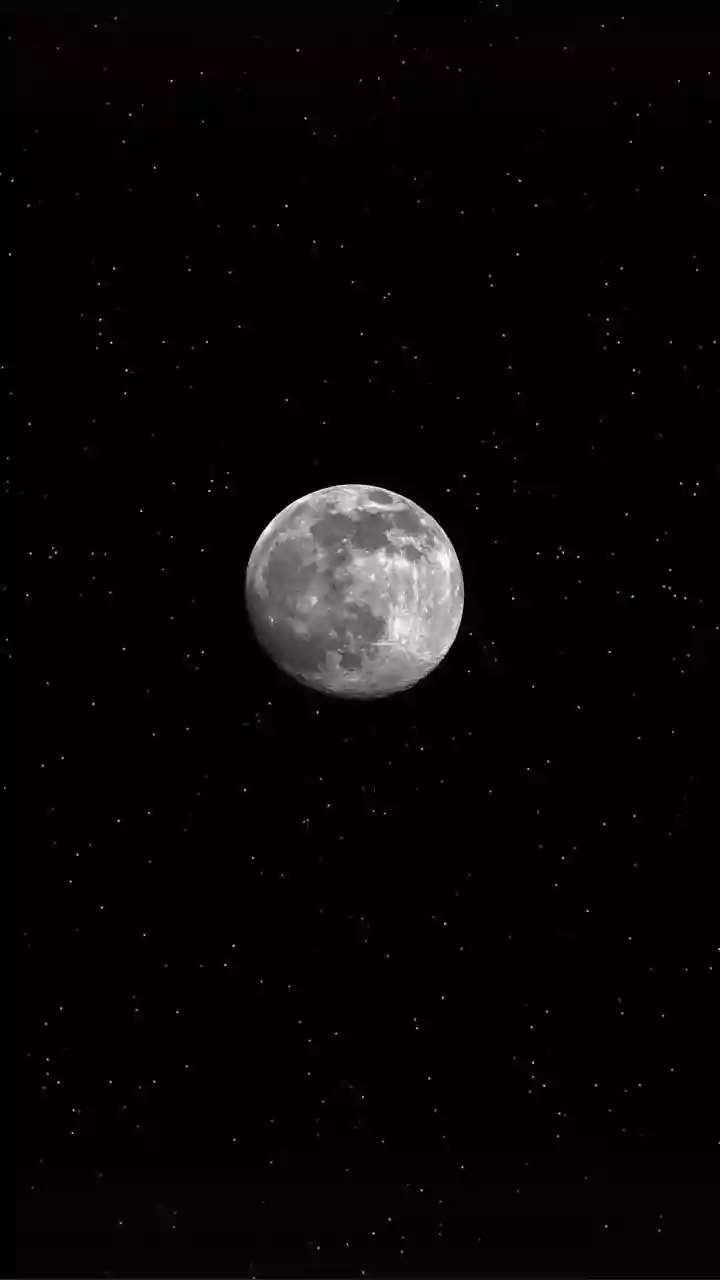
One of the most critical factors for good stargazing is the Moon. A bright moon can wash out all but the brightest stars and planets. Fortunately, late August 2026 is excellent for dark skies. After the New Moon on August 12, the moon remains a slim crescent for the following week. By the last week of August, you will have a waxing crescent in the early evening that sets early, leaving the rest of the night dark and perfect for spotting faint objects like the Milky Way or the lingering meteors from the Perseid shower, which peaked mid-month but remains active. The Full Moon, which will brighten the sky considerably, doesn't arrive until August 28.
Tips for the Best Viewing Experience
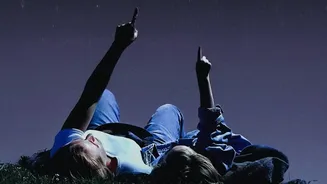
To make the most of your stargazing session, a little preparation goes a long way. First, get away from city lights; even a short drive to a rural area can make a huge difference. Second, give your eyes at least 15-20 minutes to adapt to the darkness. Avoid looking at your phone screen, as the white light will ruin your night vision. If you need a light, use a torch with a red filter. Third, get comfortable. A reclining chair or a blanket on the ground will save you from neck strain. Finally, consider using a stargazing app on your phone (in red-light mode) to help you identify the planets and constellations you are seeing.