




What Exactly Is a Hummus Pocket?
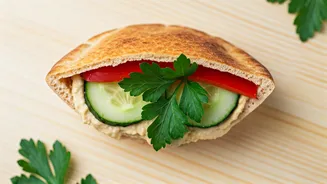
At its heart, the hummus pocket is a marvel of simplicity. It’s a pita bread, typically a whole wheat variety, that is transformed into a self-contained, mess-free vessel for hummus and other fillings. Unlike a traditional stuffed pita where you cut it in half
and fill it from the top, this method involves a clever trick. The hummus is spread inside the entire pita round first, effectively lining the bread. Then, the whole pita is sliced into strips or wedges. The result? Each piece is a sealed pocket with hummus perfectly contained within, preventing the usual drips and spills associated with loaded pitas. It’s a clean, grab-and-go solution for lunchboxes, office snacks, and anytime you need a quick, satisfying bite without the cleanup.
The Ultimate Snacking Solution
Why is this simple idea being hailed as a 'snack hack to save'? The benefits are numerous. First and foremost is portability. Because the hummus is sealed within the pita, these pockets are incredibly easy to pack and transport without worrying about leakage. They are also a powerhouse of nutrition. Using whole wheat pita provides complex carbohydrates and fiber, while hummus offers plant-based protein, healthy fats, and essential nutrients from chickpeas and tahini. This combination helps keep you full and satisfied for longer, curbing the temptation for less healthy options. Furthermore, the hack is incredibly fast. With store-bought hummus and pita, you can prepare a week's worth of snacks in minutes. It's a low-effort, high-reward strategy for anyone looking to eat better without spending hours in the kitchen.
How to Build Your Perfect Pocket
Ready to try it for yourself? The process is refreshingly straightforward. Start with a whole, soft pita bread. Gently warm it for a few seconds in the microwave or a dry pan; this makes the bread more pliable and easier to open without tearing. Next, carefully cut a small slit along the edge of the pita and work your fingers around to separate the two layers, creating a large internal pocket. Using a spatula or the back of a spoon, spread a generous layer of your favorite hummus across the entire inner surface of one or both sides of the pocket. Press the pita flat again, ensuring the hummus is evenly distributed. Now, simply use a pizza cutter or a sharp knife to slice the pita into four to six wedges or strips. That's it. You have perfectly sealed, no-mess hummus pockets ready to eat.
Choosing Your Core Ingredients
The beauty of the hummus pocket lies in its versatility, which all starts with your choice of pita and hummus. For the bread, look for soft, pocket-style whole wheat or whole grain pitas, which offer more fiber and nutrients. Ezekiel and other sprouted grain options can also be great choices for an extra health boost. When it comes to hummus, the options are nearly limitless. You can make your own for ultimate flavor and freshness control—many recipes are available online and are surprisingly simple. If you're buying it, look for brands with a high percentage of chickpeas and simple ingredients like tahini, olive oil, and lemon juice. Don't be afraid to branch out from the classic flavor. Roasted red pepper, garlic, cilantro jalapeño, or even chocolate dessert hummus can completely change the snacking experience.
Beyond the Basic Pocket
While the basic hummus-only pocket is a game-changer, it’s also a fantastic canvas for your creativity. Before sealing and slicing your pita, consider adding other ingredients. For a boost of green, lay down a few leaves of baby spinach or arugula. A sprinkle of feta cheese or nutritional yeast can add a savory, cheesy flavor. Thinly sliced cucumbers, shredded carrots, or diced bell peppers can be pressed into the hummus for extra crunch and vitamins, though be mindful not to overstuff. You can also add protein with a layer of roasted chickpeas. For a Mediterranean twist, try adding finely chopped Kalamata olives and a sprinkle of dried oregano. The key is to use ingredients that are relatively flat and won't tear the pita, preserving the pocket's structural integrity.