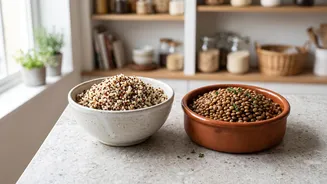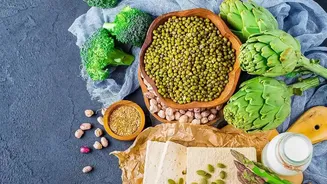

Quinoa and lentils are cornerstones of a healthy pantry, beloved for their versatility and nutritional punch. While often grouped together, they are not interchangeable. Understanding their key differences is the secret to unlocking their full potential.
Seed vs. Legume: A Fundamental Divide
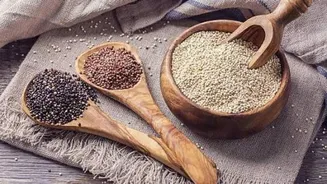
The most basic difference lies in their botanical origins. Quinoa (pronounced 'keen-wah') is technically a seed from the 'Chenopodium quinoa' plant, which is related to spinach and amaranth. Though we treat it like a grain, it is a pseudocereal. It originated thousands of years ago in the Andean region of South America. Lentils, on the other hand, are pulses—the edible, dried seeds of a legume plant, placing them in the same family as beans, peas, and chickpeas. This fundamental distinction is the source of all their other differences, from nutrition to texture.
The Nutritional Showdown
Both are nutritional powerhouses, but they excel in different areas. Lentils generally pack more protein and fiber per serving. A cup of cooked lentils provides significantly more protein than the same amount of quinoa. Lentils are also richer in folate, iron, potassium, and vitamin B1. Quinoa's claim to fame is its protein quality. It is a 'complete protein', meaning it contains all nine essential amino acids our bodies can't produce on their own, a rarity in the plant kingdom. Quinoa also delivers higher amounts of magnesium and manganese. While both are healthy carbohydrates, lentils have a slightly lower glycemic index, meaning they release their energy more slowly.
Texture, Taste, and Preparation
In the kitchen, their textures could not be more different. Cooked quinoa has a light, fluffy consistency with a signature 'pop' as the seeds burst. Lentils have a wider range; brown and green varieties tend to hold their shape and offer a firm, hearty bite, while red and yellow lentils break down into a soft, creamy puree. When it comes to flavour, quinoa is nutty and earthy, while lentils offer a richer, more robust earthiness. An important preparation step for quinoa is to rinse it thoroughly before cooking to remove its natural coating of saponins, which can taste bitter or soapy. Cooking methods also differ. Quinoa is typically cooked like rice, using a specific ratio of water to grain (usually 1:2) and simmering until the liquid is absorbed. Lentils are often cooked more like pasta, in a larger volume of water and then drained.
The Best Meal for Quinoa
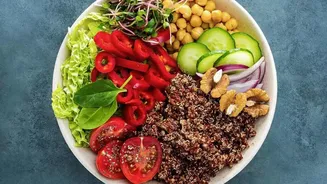
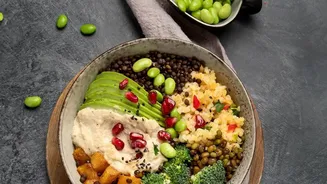
Quinoa's fluffy, distinct-grain texture makes it an ideal base for dishes where you want ingredients to remain separate and light. It shines in salads, where it adds substance without becoming mushy, and as a foundation for grain bowls. Its ability to absorb dressings while staying firm is a major asset. Use it as a side dish to replace rice or couscous, or as a nutritious bed for grilled vegetables, fish, or chicken. Because it doesn't become creamy, it's less suited for dishes that require binding or a thick consistency.
When to Reach for Lentils
Lentils are the star of hearty, comforting dishes. Their ability to either hold their shape or break down makes them incredibly versatile. Brown and green lentils are perfect for adding texture and bulk to soups, stews, and chilis. They are also a classic choice for veggie burgers and 'meatloaves', where their firm texture and ability to bind ingredients together are essential. Red and yellow lentils, which dissolve into a creamy consistency, are the foundation for thick soups and traditional Indian dishes like dal. Their earthy flavour pairs well with bold spices, making them a staple in curries and richly seasoned meals.