




Footwear First: Your Most Important Decision
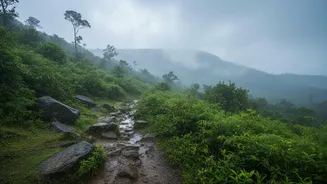
The single biggest mistake trekkers make is choosing the wrong footwear. The volcanic basalt rock of the Sahyadris becomes incredibly slippery when wet and mossy. Regular sports shoes or sneakers offer almost no grip and can be dangerous. Invest in a good
pair of trekking shoes with deep-grooved rubber soles and high ankle support. This will provide stability on uneven, muddy trails and reduce the risk of slips, falls, and twisted ankles. Also, avoid cotton socks at all costs; they retain moisture and cause blisters. Opt for quick-drying synthetic or wool-blend socks instead.
Dress Smart: The Quick-Dry Rule
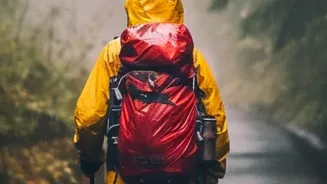
Leave your cotton t-shirts and jeans at home. Cotton acts like a sponge, absorbing rain and sweat, and takes forever to dry. This can lead to discomfort and rapidly lower your body temperature, increasing the risk of hypothermia even in non-Himalayan regions. The mantra for monsoon trekking is 'quick-dry'. Wear synthetic polyester or nylon t-shirts and trekking pants. These materials don't hold water and will keep you far more comfortable. Always carry a reliable waterproof layer, preferably a poncho that can cover you and your backpack.
Gear Up: Essentials for a Rainy Trail
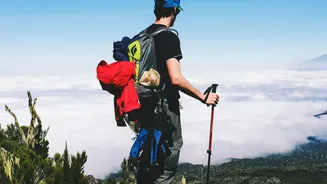
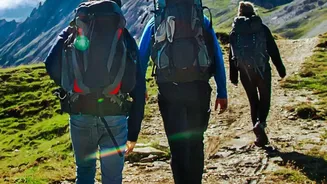
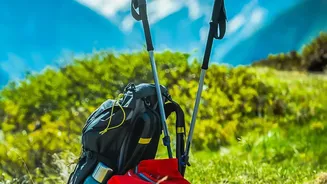
Your backpack should be lightweight (20-30 litres for a day trek) and must have a rain cover. Inside, everything should be packed in waterproof dry bags or even simple ziplock bags to protect electronics, snacks, and a spare set of dry clothes. A trekking pole is not a luxury; it's a crucial tool for maintaining balance on slippery descents and testing the depth of water crossings. Also, pack a basic first-aid kit with antiseptic, bandages, pain relievers, and any personal medications. Finally, a headlamp is essential, even on a day trek, in case of unexpected delays.
Navigating the Trail: Check the Weather and Route
The mountains make their own weather. Always check the local weather forecast before you leave, and be aware of any warnings about heavy rainfall, which can lead to landslides and flash floods. Many trails in the Western Ghats can become dangerous or impassable after heavy rain. Inform someone about your exact trekking plan and your expected return time. While mobile connectivity is spotty, having offline maps downloaded on your phone and a fully charged power bank is non-negotiable. If possible, trek with a group or a local guide who knows the terrain and can make informed decisions if conditions worsen.
The Unseen Dangers: Leeches and Water Crossings
Monsoon trekking in the Ghats means dealing with leeches. While mostly harmless, they can be a nuisance. Carry salt, a sanitizer, or tobacco powder to easily remove them if needed. A more serious hazard is crossing swollen streams and rivers. What was a trickle in the morning can become a raging torrent in the afternoon. Never attempt to cross a fast-flowing stream. Test the depth with your trekking pole and always face upstream while crossing. If in doubt, it is always safer to turn back.
Hydration and Fuel: Keep Your Energy Up
The cool, rainy weather can trick you into drinking less water, but you are still sweating and losing electrolytes. Carry at least two litres of water and consider adding an oral rehydration salt (ORS) sachet to replenish lost salts. Pack high-energy snacks that are easy to eat on the move, such as trail mix, nuts, dates, and energy bars. These will keep your energy levels stable throughout the trek, which is crucial for staying alert and making good decisions on the trail.