




What is the Balanced Plate Method?
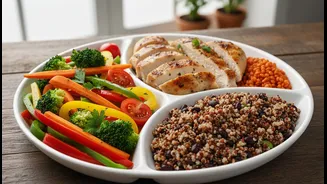
The balanced plate method is a straightforward visual tool for meal planning that ditches obsessive calorie counting in favour of portion management. The concept is simple: divide your plate into sections for different food groups. This approach, endorsed
by numerous nutrition experts, is perfectly suited for the traditional Indian thali. It’s not about restriction but about proportion, ensuring you get a healthy mix of macronutrients in every meal. The goal is to make healthy eating a sustainable habit rather than a short-term diet. By focusing on what your plate looks like, you naturally build a better relationship with food, learning to fuel your body effectively without the mental burden of numbers.
The Foundation: Half Your Plate with Vegetables
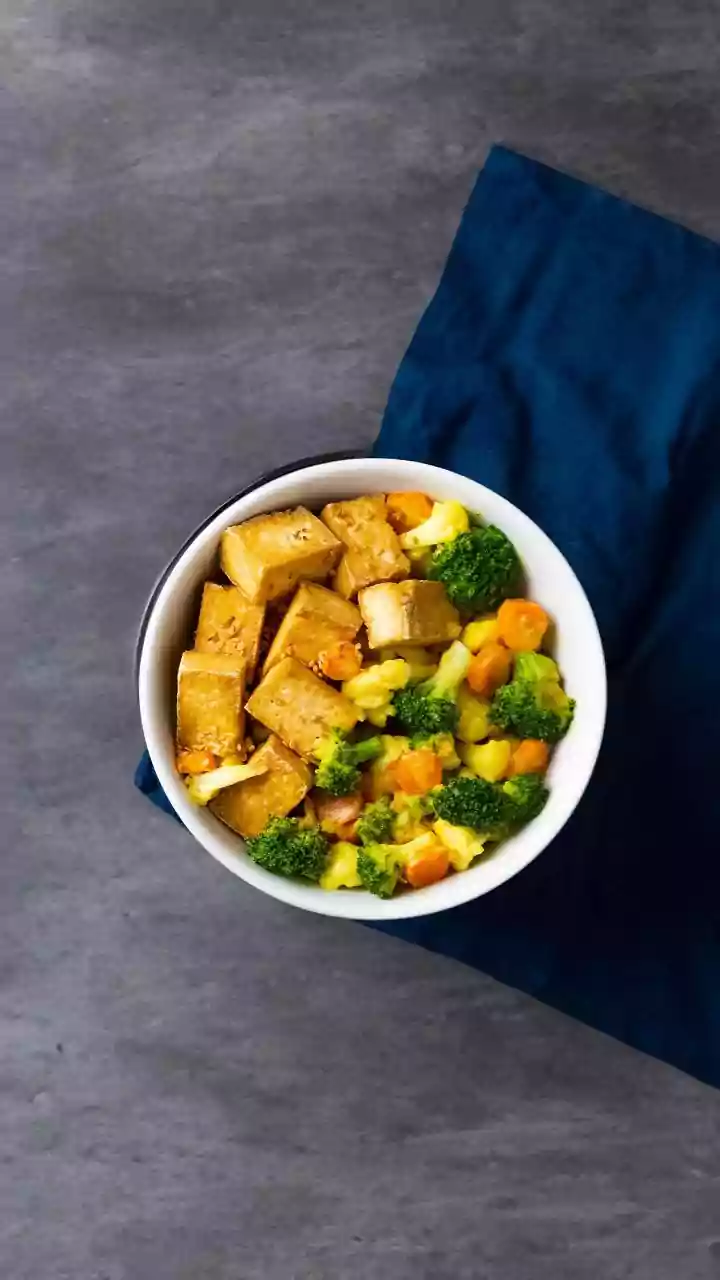
The most significant part of your plate should be dedicated to vegetables. Aim to fill 50% of your plate with a colourful variety of non-starchy vegetables. In an Indian context, this is easier than it sounds. This portion can be a combination of a cooked sabzi—like bhindi masala, lauki, or palak—and a fresh salad of cucumber, tomatoes, and onions. Vegetables are packed with fibre, vitamins, and minerals, which help you feel full and satisfied while keeping the overall calorie count low. Making vegetables the star of your meal ensures you get a high volume of nutrient-dense food, which is crucial for digestion, immunity, and overall health. Think of it as building your meal's foundation with colour and nutrients.
The Power Quarter: Packing in Protein
Next, dedicate one-quarter (25%) of your plate to a quality protein source. Protein is essential for building and repairing tissues, maintaining muscle mass, and keeping you satiated long after your meal. For vegetarians, the options in Indian cuisine are abundant. A katori of dal (lentils) like moong or toor, a serving of legumes like chana (chickpeas) or rajma (kidney beans), or a portion of paneer all fit perfectly into this quadrant. For non-vegetarians, grilled chicken, fish, or eggs are excellent choices. Including a dedicated protein source in every meal helps stabilize blood sugar levels, preventing the energy crashes that often lead to unhealthy snacking.
The Energy Quarter: Choosing Smart Carbs
The final quarter (25%) of your plate is for carbohydrates, which are your body’s primary source of energy. The key here is to choose complex, whole-grain carbohydrates over refined ones. Instead of white rice or naan made from maida, opt for whole wheat rotis, brown rice, or millets like ragi, jowar, and bajra. These whole grains are rich in fibre, which aids in slower digestion, provides sustained energy, and prevents sharp spikes in blood sugar. A small serving, such as one or two rotis or a small katori of brown rice, is typically sufficient to fill this quarter of the plate and provide the energy you need for your day.
The Finishing Touches: Dairy and Healthy Fats
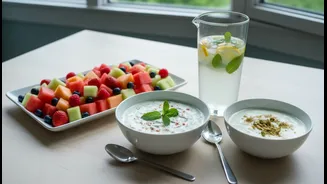
A balanced Indian meal isn't complete without the inclusion of dairy and healthy fats, which can be thought of as accompaniments to your main plate. A small bowl of dahi (curd) or a glass of chaas (buttermilk) is a fantastic source of probiotics, which support gut health and aid digestion. Healthy fats are also crucial. A teaspoon of ghee on your roti or dal, or the use of cold-pressed oils in cooking, provides essential fatty acids and helps your body absorb fat-soluble vitamins. These elements not only add flavour and satiety but also play a vital role in creating a truly well-rounded and nourishing meal that honours the principles of traditional Indian food wisdom.
A Balanced Thali in Action
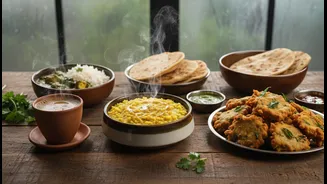
So, what does this look like in practice? Imagine your thali. Half of it is filled with a generous serving of seasonal sabzi, perhaps some stir-fried beans, and a side of kachumbar salad. One quarter holds a katori of protein-rich masoor dal. The last quarter contains one whole-wheat roti or a small portion of millet khichdi. On the side, you have a small bowl of fresh, homemade curd. This entire meal is visually balanced, nutritionally complete, and satisfying. It provides fibre from the vegetables, protein from the dal, sustained energy from the roti, and probiotics from the curd, all without you ever having to open a calorie-tracking app. This is food literacy in its most practical form.