






The Anatomy of a Commute Collapse
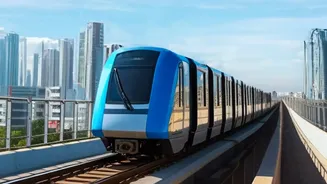
When a metro line has a signal failure or a bus route is diverted due to waterlogging, the entire system feels the strain. This isn't just an inconvenience; it's a matter of public safety. The core problem is peak-hour concentration. Most office-goers
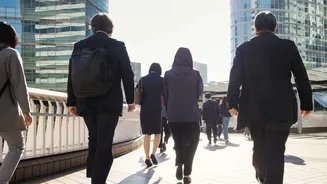
are forced into a rigid 9-to-5 schedule, meaning everyone is trying to travel within the same narrow windows of 8-10 AM and 5-7 PM. A disruption during these times creates a 'peak on peak' effect. The existing crowd can't clear, and more people continue to pour into stations, leading to a rapid and dangerous surge in passenger density on platforms and inside vehicles. Studies on transit disruptions show that while some passengers may cancel their trip or switch to another mode of transport, the majority often wait, compounding the initial problem and creating unsafe conditions.
How Flexible Arrivals Change the Equation
Flexible arrival policies, also known as 'flextime' or 'staggered hours', offer a simple yet powerful solution. Instead of requiring every employee to be at their desk by 9 AM, companies can allow them to start their workday anytime between, for example, 8 AM and 11 AM. During a major disruption, this flexibility becomes a critical pressure-release valve. An employee who learns of a two-hour delay can simply decide to wait at home and start their workday later, rather than joining the crush at the station. This flattens the sharp travel peak, spreading demand over a longer period. Research has shown that even a small percentage of commuters altering their travel time can significantly reduce peak-hour congestion, with one study noting a 15% reduction in traffic volume.
The Data-Backed Benefits
The positive effects of staggered work hours aren't just theoretical. A demonstration project in Honolulu, for instance, found that shifting government office hours by just 45 minutes resulted in an average travel time saving of 3 to 4 minutes for commuters. While this may seem small, it represented a nearly 10% reduction in the average commute time and indicated a significant easing of congestion. Other studies have shown that flexible work schedules dramatically lessen traffic congestion, reduce stress for commuters, and improve air quality. The key is distributing the load. By allowing some of the demand to shift to the less-congested shoulders of the peak period, the entire system operates more efficiently, with fewer bottlenecks and delays for everyone.
Beyond the Commute: The Ripple Effects
The advantages of flexible scheduling extend far beyond simply reducing crowds during a crisis. For employees, it offers a better work-life balance, reduced travel costs, and lower stress levels. Companies that offer flexible work arrangements often report higher employee morale, engagement, and productivity. A global survey found that when employees save time on commuting, about 40% of that saved time is redirected back into their primary and secondary jobs. From a city management perspective, a transport network that is less susceptible to chaotic failure during disruptions is more resilient and reliable, which is crucial for economic activity. It also contributes to sustainability goals by reducing the carbon footprint associated with idling traffic.
The Hurdles: Why Isn't This Widespread?
Despite the clear benefits, widespread adoption of flexible arrivals faces several challenges. Many companies remain attached to a rigid 9-to-5 culture, fearing a loss of control or a decline in collaboration. Scheduling can become more complex, especially for teams that need to interact frequently. There's also the challenge of coordination; for the policy to have a city-wide impact, a large number of employers need to participate. Moreover, other fixed schedules, like school timings, can limit a parent's ability to be flexible. Successful implementation requires clear policies, effective communication between managers and employees, and a shift in mindset from valuing 'time in the seat' to focusing on actual output and productivity.