







Why Monsoon Demands Extra Caution
The monsoon season, while a relief from summer heat, presents significant challenges for commuters. The India Meteorological Department (IMD) has issued advisories for heavy to very heavy rainfall across several states, including Uttarakhand, Uttar Pradesh,
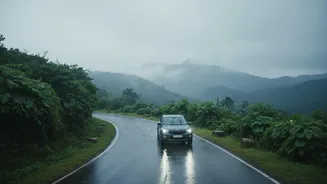
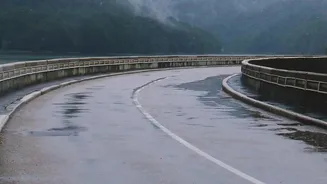
Bihar, Kerala, and regions in the Northeast. These conditions lead to common hazards like urban waterlogging, which can stall vehicles and create massive traffic jams. Reduced visibility from intense downpours and fogging windshields makes driving dangerous, while wet roads significantly increase braking distances and the risk of skidding or hydroplaning. In hilly areas, the danger of landslides is a serious concern. A journey that is simple on a clear day can become a prolonged and stressful ordeal, making a little preparation essential.
Before You Leave: Your Pre-Travel Checklist
A few simple checks before starting your journey can prevent major headaches. First, check your vehicle. Ensure your tyres have adequate tread depth (at least 3mm is recommended for wet conditions) and are properly inflated to prevent aquaplaning. Test your windshield wipers to see if they clear water effectively without leaving streaks; if they do, replace them. Also, walk around your vehicle and confirm all your lights—headlights, taillights, brake lights, and indicators—are clean and working perfectly. Secondly, check your route. Use real-time traffic apps like Google Maps or Waze, which often show flood-prone areas and road closures. Many city traffic police departments also post live updates on social media. If a severe weather warning is in effect, consider delaying non-essential travel.
The Essential Car Emergency Kit
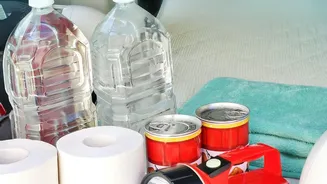
An emergency kit in your car is your lifeline if you get stranded. You don't need to be a survival expert to assemble a practical one. Focus on a few key areas. For personal safety, pack a first-aid kit, a powerful torch with extra batteries, and a high-visibility reflective vest. For connectivity, a fully charged power bank is non-negotiable. For comfort during long waits, keep a towel, a spare set of clothes, an umbrella, and some non-perishable snacks like biscuits or energy bars, along with a few bottles of drinking water. For the vehicle itself, a basic tool kit, jumper cables, and a tow rope can be invaluable. A tyre inflator and a puncture repair kit can also turn a major delay into a manageable problem. Store these items in a waterproof bag in your boot.
What to Do If You're Stranded
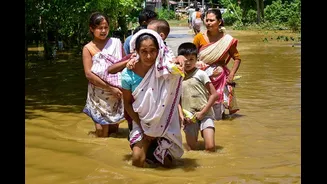
If you find yourself stuck in heavy rain or a waterlogged area, the first rule is not to panic. If the water is rising, your priority is personal safety. It's generally safer to stay in your vehicle unless water levels become dangerously high. Never attempt to drive through deep, standing water, as it can be much deeper than it appears and can cause your engine to stall and suffer severe damage. If your car does stall in water, do not try to restart the engine. Doing so can cause catastrophic 'hydrostatic lock'. Instead, turn on your hazard lights to make yourself visible to others. Conserve your phone’s battery by using it only for essential calls. If you must leave your vehicle, be aware of your surroundings, including potential open manholes and strong currents.