



For many, especially in India, a life without sweets feels incomplete. The good news for those managing diabetes is that you don't have to give them up entirely. The secret lies not in total avoidance, but in smart, strategic integration.
It’s About the Plan, Not Just the Sugar
The long-held
belief that people with diabetes must avoid all sugar is outdated. Modern diabetes management focuses on the total amount of carbohydrates consumed in a meal. When digested, carbohydrates break down into glucose, which raises blood sugar levels. This is true for the carbs in a gulab jamun as well as those in a chapati. The key is 'carbohydrate counting'—tracking the grams of carbs in your entire meal to keep your blood sugar stable. A sweet treat is simply another source of carbs that needs to be accounted for in your daily or mealtime budget. The goal is to substitute a portion of sweets for other carbohydrates in your meal, not to simply add them on top.
Understanding Glycemic Index (GI)
Not all carbohydrates affect blood sugar equally. The Glycemic Index (GI) is a scale from 0 to 100 that ranks how quickly a carbohydrate-containing food raises blood glucose levels. High-GI foods (like white bread and many sugary candies) are digested quickly, causing a rapid spike in blood sugar. Low-GI foods (like whole grains, lentils, and most fruits) are digested slowly, leading to a more gradual, manageable rise. When choosing a sweet, opting for one with lower-GI ingredients can make a significant difference. However, GI isn't the whole story; the amount you eat, or the 'glycemic load', has a bigger impact.
The Power of Portion Control
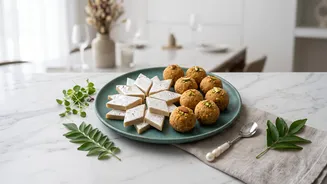
This is perhaps the most crucial rule. Managing diabetes doesn't mean you can never have your favourite kaju katli, but it does mean you can't have five pieces. A small, controlled portion is the goal. Eating slowly and mindfully can help you savour the treat and feel satisfied with less. A simple strategy is to swap out a starchy part of your meal, like a portion of rice or a potato, to make room for a small dessert without overloading on carbohydrates. For example, a two-inch square of unfrosted cake or two small cookies is often considered one carbohydrate serving, which is about 15 grams of carbs.
Timing Your Treat Strategically
When you eat a sweet matters almost as much as what you eat. Consuming a sweet on an empty stomach can cause a much faster and higher spike in blood sugar. A far better approach is to have your dessert immediately following a balanced meal that includes protein, fibre, and healthy fats. These other nutrients slow down digestion and the absorption of sugar into the bloodstream, resulting in a more gradual increase in blood glucose levels. A short, 10_to_15_minute walk after your meal can also help your muscles use up some of that glucose, further preventing a sharp spike.
Smart Swaps for Indian Kitchens
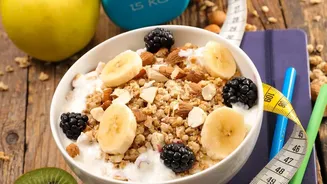
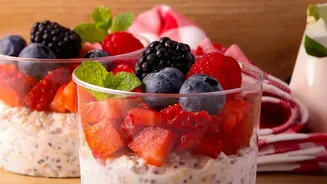
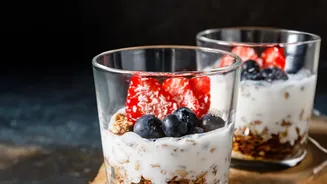
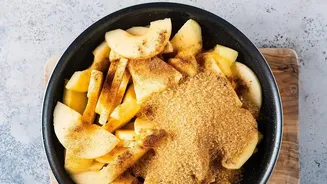
Many traditional Indian desserts can be made more diabetes friendly with a few simple ingredient changes. Instead of refined white sugar, consider using natural sweeteners like stevia or monk fruit extract in moderation, as they do not affect blood sugar levels. For kheers and phirnis, swapping rice for low GI options like oats, ragi (finger millet), or makhana (fox nuts) can make a huge difference. When making ladoos or barfis, use nut flours like almond flour and bind them with a small amount of dates instead of sugar. Opting for fruit based desserts, like a fresh fruit chaat or baked apples with cinnamon, is also a great way to satisfy a sweet craving while getting the benefits of fibre.
Navigating Festivals and Special Occasions
Festivals and weddings can feel like a minefield. The key is to plan ahead. If you know a big, festive meal is coming up, you can choose to eat lighter, low carb meals earlier in the day. Don't feel pressured to try every single sweet on offer. Pick one or two that you truly love, have a small portion, and savour them. Staying hydrated with water and remaining physically active can also help manage your blood sugar levels during these indulgent times. Remember, a single day of planned indulgence is unlikely to derail your long term management as long as you get back to your regular routine the next day.