




The Brain on the Farm
First, let’s break down the jargon. A microcontroller is essentially a small computer on a single chip, designed to control a specific task. You find them in everything from washing machines to cars. Edge AI means that artificial intelligence calculations
happen right on the device itself—at the 'edge' of the network—rather than sending data to a distant cloud server. This combination is crucial for agriculture, where internet connectivity can be unreliable. By processing information locally, an Edge AI microcontroller allows a farm machine to make smart, real-time decisions, like identifying a pest or a weed instantly, without any delay.
Smarter Weeding, Naturally
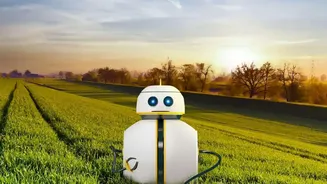
One of the biggest hurdles for organic farmers is weed control. Without chemical herbicides, weeding is often a manual, back-breaking, and expensive task. This is where AI-powered robots are making a huge difference. Equipped with cameras and Edge AI microcontrollers, these autonomous rovers can navigate crop rows, analyse plants in milliseconds, and distinguish a valuable crop from a weed. Instead of spraying chemicals, they use precise mechanical tools or even lasers to remove the weed without disturbing the soil or the crop. This not only reduces labour costs but also allows farmers to manage more land effectively.
Eyes on Pests and Disease
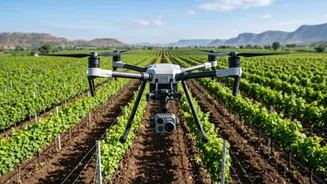
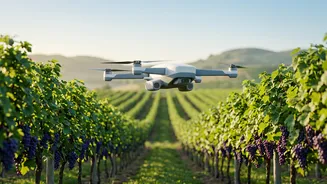
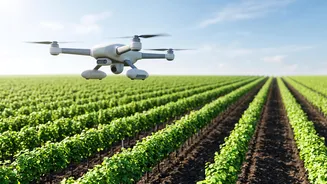
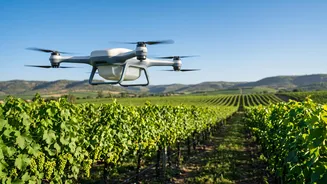
Early detection is key to managing pests and diseases in an organic system. Edge AI gives farmers a powerful new tool for this. Drones and on-ground sensors equipped with AI can constantly monitor crop health. By analysing images of leaves, these systems can identify the very first signs of disease or pest infestation, often before a human eye would notice. This allows for immediate, targeted interventions, such as releasing beneficial insects or applying an organic-approved treatment to a small, specific area. This precision approach minimizes crop loss and reduces the need for broad, less effective treatments, contributing to higher yields and healthier produce.
Optimizing Precious Resources
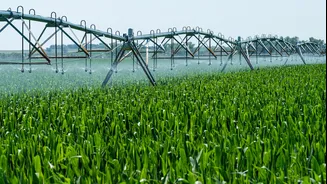
Water and nutrient management are critical for both sustainability and profitability. Edge AI microcontrollers, connected to soil and moisture sensors, create smart irrigation systems that deliver water only when and where it's needed. The system can analyse data on soil conditions, weather forecasts, and the specific needs of the crop to make highly efficient decisions, reducing water consumption significantly. This level of precision ensures that resources are not wasted, which lowers costs and promotes more sustainable farming practices that are better for the environment.
Making Automation Accessible
For years, high-tech agricultural automation was too expensive for many smaller and medium-sized organic farms. The high initial cost of large, complex machinery was a significant barrier. However, low-power, cost-effective microcontrollers are changing the economics. They enable the development of smaller, more affordable robots and sensor systems. This trend is democratizing access to automation, allowing more farmers to benefit from technology that can reduce labour shortages, improve efficiency, and make organic farming a more viable and scalable business. As these technologies become more widespread, they have the potential to make organic food more abundant and affordable for everyone.