






Understanding the Current Turbulence
Recent months have seen a noticeable shift in flight availability for Indian travellers. Airlines, including national carriers, have been forced to rationalise their international routes through August 2026, citing a combination of factors. These include
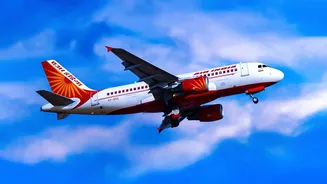
ongoing airspace restrictions over certain regions, which can make direct flights longer and less commercially viable, alongside record-high jet fuel prices that heavily impact the cost of long-haul operations. For instance, Air India announced temporary reductions and suspensions on several key routes to North America, Europe, and Southeast Asia, affecting services to cities like Chicago, San Francisco, Paris, and Singapore. Beyond global issues, domestic travellers also face challenges, such as recent technical glitches with major airline booking systems that have caused intermittent disruptions for customers trying to book tickets or check-in online. These operational and economic pressures mean that routes and schedules can change with little warning.
Smarter Booking Strategies
In this volatile environment, how you book your flight matters more than ever. One of the most effective strategies is to book directly through an airline’s official website or app. This can give you access to more flexible options and quicker resolutions if a problem arises. New rules from the Directorate General of Civil Aviation (DGCA) that came into effect in March 2026 provide significant benefits for direct bookings. Passengers now have a 48-hour window after booking to cancel or amend tickets without facing extra charges, provided the flight is at least seven days away for domestic travel. This provides a crucial buffer against mistakes or sudden plan changes. Furthermore, booking directly simplifies the process of making minor name corrections, which can be done for free within 24 hours of the booking.
Leverage Technology and Stay Informed
Your smartphone can be your most powerful tool in navigating travel uncertainty. Before and during your trip, use flight-tracking apps and enable notifications from your airline. This ensures you are among the first to know about a delay, cancellation, or gate change. Many airline apps now allow you to rebook directly from your phone in case of a disruption, saving you a long wait in a customer service queue. Beyond the airline's app, it's wise to monitor news about your destination and any transit hubs. For example, recent changes in international entry requirements, like Europe's new biometric Entry/Exit System (EES), can cause unexpected delays at airports, making it crucial to plan for longer connection times.
Don't Underestimate Travel Insurance
While often seen as an optional extra, comprehensive travel insurance is non-negotiable in the current climate. When purchasing a policy, look specifically for coverage related to trip cancellations, interruptions, and delays. This can reimburse you for non-refundable expenses like hotel bookings and tours if your flight is cancelled for a covered reason. Importantly, understand what is and isn't covered. Most policies will not cover cancellations due to circumstances known as 'force majeure' or 'acts of God', such as extreme weather or political instability. However, even in these situations, airlines are still obligated to provide care, such as meals and accommodation. Insurance provides a financial safety net for situations that fall outside the airline's direct responsibility.
Know Your Rights as a Flyer
When disruptions happen, knowing your rights as a passenger under DGCA regulations is empowering. The rules are clear about what airlines owe you. For instance, if your flight is significantly delayed, the airline must provide you with meals and refreshments. For longer delays, such as those stretching overnight, they must offer hotel accommodation and transfers. In the case of a cancellation with little notice (less than two weeks), you are entitled to a refund or an alternate flight. If the cancellation is announced less than 24 hours before departure, you may also be entitled to financial compensation ranging from ₹5,000 to ₹10,000, in addition to a full refund. Airlines must refund credit card payments within seven days and ensure agent-booked tickets are refunded within 14 working days. You can file a grievance through the government's AirSewa portal if the airline does not comply.