





Beyond the Sun and Sand
For decades, Goa's identity has been intrinsically linked to its golden shores. However, a noticeable shift is underway, driven by a growing desire for more authentic and sustainable travel. Modern travellers are increasingly looking past the familiar
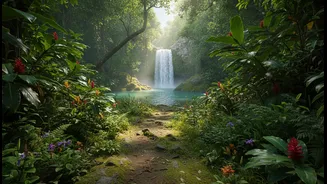
coastal hotspots and venturing inland to discover the state's rich natural heritage. This evolution is officially encouraged, with Goa's government promoting hinterland tourism through its "Goa Beyond Beaches" campaign. The initiative aims to showcase the state's cultural depth, distribute economic benefits to rural communities, and offer visitors a more profound connection to the land. This move towards eco-tourism and nature-based experiences is revealing a side of Goa that has long been overshadowed by its party reputation. From lush forests and cascading waterfalls to historic villages, the focus is turning towards the state's verdant interior.
A Walk on the Wild Side
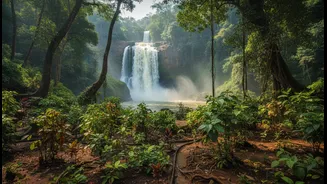
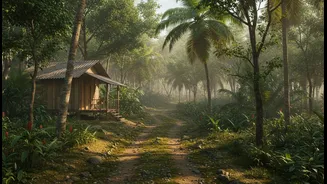
The forests of the Western Ghats, which cloak eastern Goa, offer an immersive escape into pristine wilderness. Sanctuaries like the Bhagwan Mahavir Wildlife Sanctuary and the Mhadei Wildlife Sanctuary are becoming popular destinations for guided nature walks and trekking. These protected areas are biodiversity hotspots, home to a rich variety of flora and fauna, including hornbills, deer, and numerous species of butterflies. Guided tours, often led by knowledgeable naturalists, help visitors navigate the trails and understand the delicate ecosystem. Treks can lead to breathtaking sights, such as the ancient 12th-century Tambdi Surla Temple nestled deep within the jungle or the majestic Dudhsagar Falls. These experiences offer more than just physical activity; they provide a serene environment for travellers to connect with nature on a deeper level, away from the coastal crowds.
An Aromatic Journey Through Spice Plantations
Equally captivating are Goa's spice plantations, concentrated mainly in the Ponda taluka. A visit to a spice farm offers a sensory journey into the world of pepper, cardamom, cinnamon, and nutmeg. Popular estates like Sahakari Spice Farm and Tropical Spice Plantation welcome visitors with herbal teas before guiding them through the lush estates. These tours are highly educational, explaining how everyday spices are cultivated and their medicinal properties. The experience is deeply rooted in Goan tradition, from learning about organic farming techniques to understanding the state's historic role in the spice trade. Most tours culminate in a traditional Goan buffet lunch, prepared with fresh, farm-grown ingredients, offering an authentic taste of the local cuisine. This combination of nature, education, and hospitality makes spice tours a wholesome experience for families and cultural explorers alike.
A Sustainable Shift for the Future
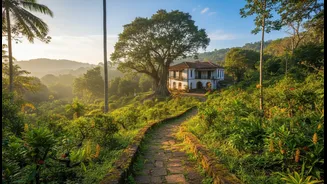
This growing interest in forest walks and spice tours signifies more than just a new trend; it represents a sustainable evolution in Goa's tourism model. By drawing visitors to the hinterlands, the state can alleviate pressure on its crowded coastal regions and create new economic opportunities for inland communities. Initiatives promoting homestays in rural areas further empower local residents and preserve Goa's unique architectural and cultural heritage. These nature-based activities foster a greater appreciation for environmental conservation among visitors and locals. This shift towards responsible and regenerative tourism ensures that the natural beauty and cultural authenticity that define Goa's soul can be preserved for generations to come, offering a more balanced and enriching experience for all.