



A World Without Weather
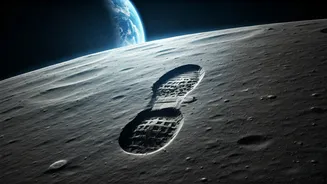
On Earth, a footprint left on a dusty path would be gone in days, if not hours. Wind would blow it away, rain would wash it clean, and insects would scurry across it. The Moon, however, is a fundamentally different world. It has no atmosphere to speak
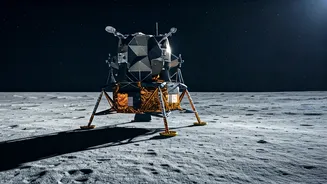
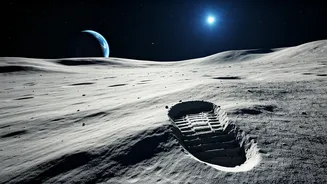
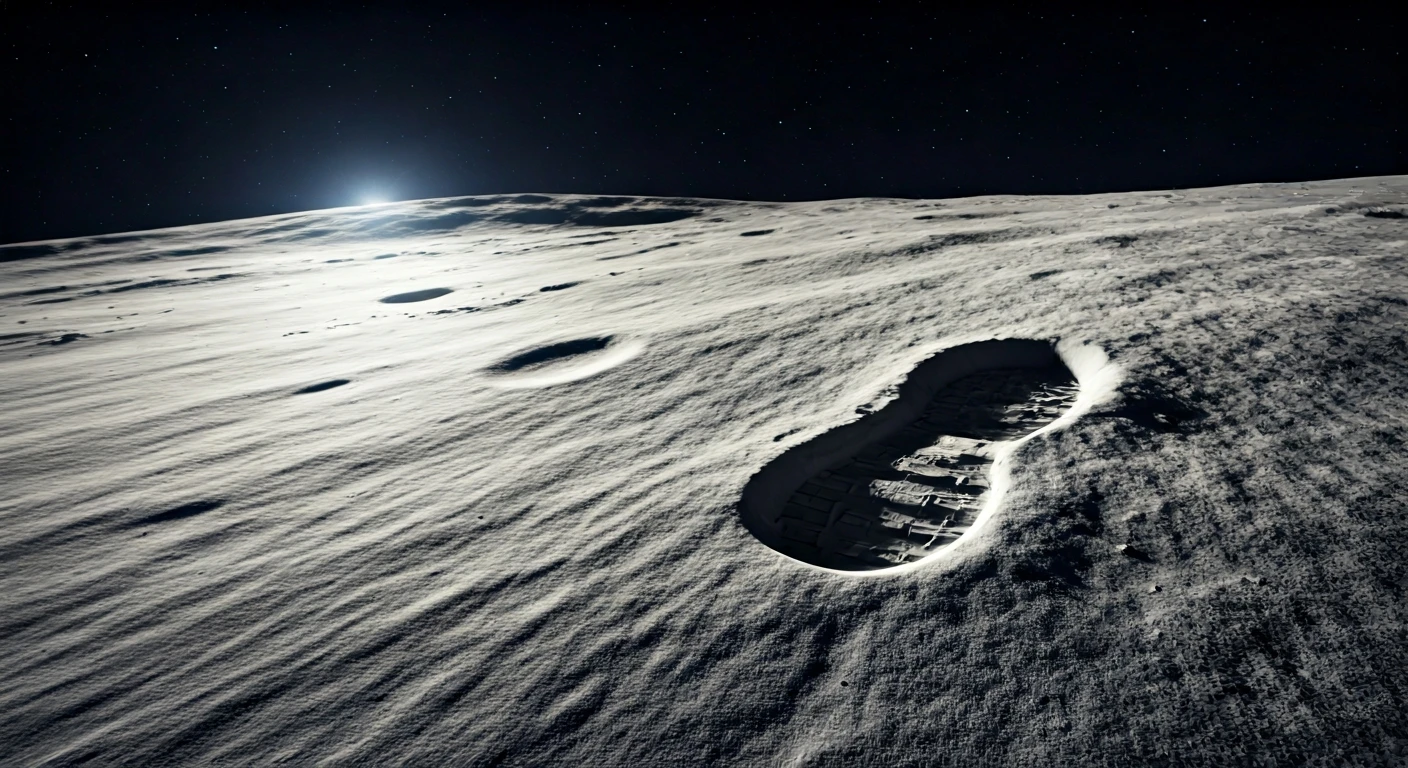
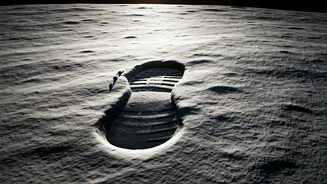
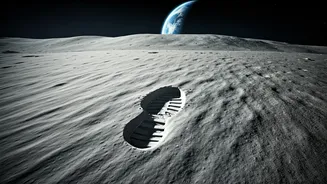
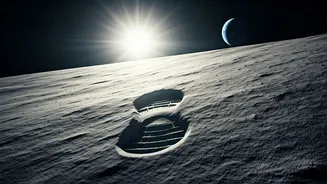
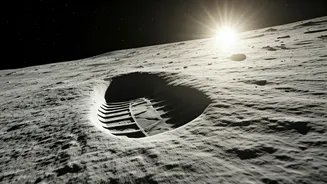
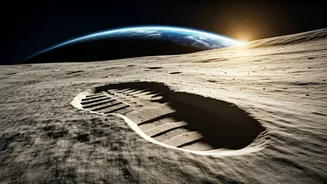
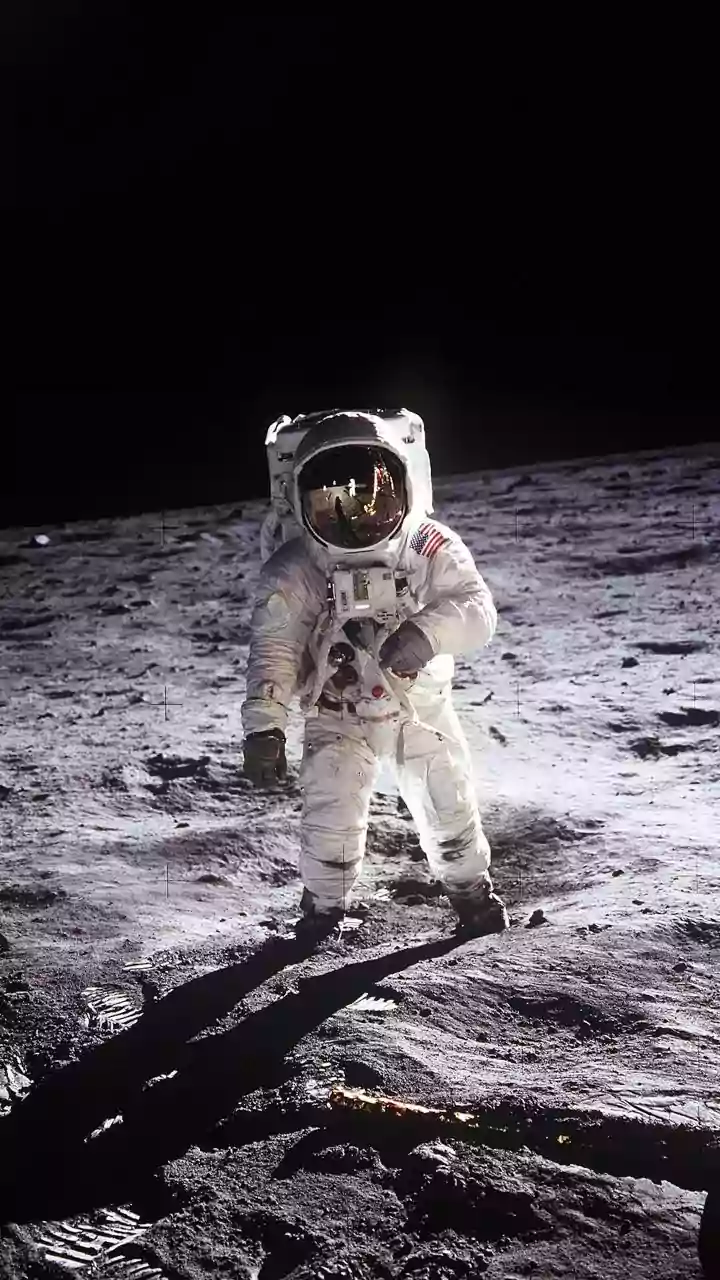
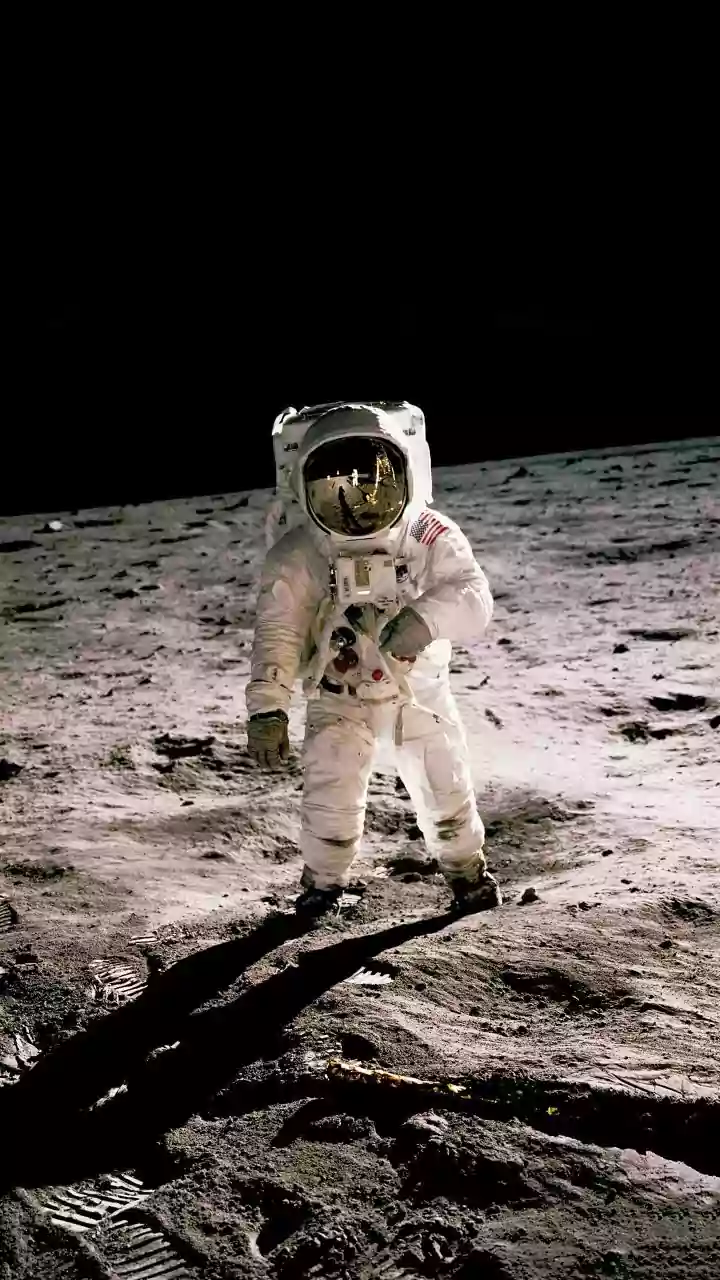
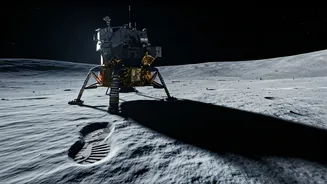
of—it's what scientists call a vacuum. This means there is no wind to scatter the fine grains of lunar soil, or 'regolith'. There is no liquid water on the surface to erode the features, and no life to disturb them. When Neil Armstrong and Buzz Aldrin stepped onto the Sea of Tranquility in 1969, they left impressions in a sterile, static environment. The footprints, rover tracks, and discarded equipment from all six Apollo missions remain exactly where they were left, like ghostly monuments in a silent museum.
The Slow-Motion Eraser
But to say nothing changes on the Moon would be incorrect. The lunar surface is not completely inert. It is under constant, slow-motion assault from a process called 'space weathering'. The primary culprits are micrometeoroids and solar radiation. Tiny particles, often no bigger than a grain of sand, constantly rain down on the Moon at incredible speeds. Each impact, though minuscule, churns up the regolith in a process known as 'gardening'. This constant pitter-patter of cosmic dust is the Moon's version of erosion. Over immense timescales, this process will gradually soften the sharp edges of the astronauts' footprints, filling them in grain by grain. Simultaneously, the unceasing blast of solar wind and cosmic rays bombards the surface, slowly altering the chemical and physical properties of the soil and any artifacts left within it.
A Million-Year Legacy
So, how long will the footprints actually last? This is where the 'millions of years' part of the story comes in. While the Apollo missions happened just over 50 years ago, scientists estimate that the footprints will remain visible for an astonishingly long time. The rate of micrometeoroid 'gardening' is incredibly slow. Based on erosion rates calculated from lunar rock samples, experts project that the bootprints could survive for anywhere from 10 to 100 million years. They will slowly fade, like an old photograph left in the sun, but their basic outline will be discernible for a period that dwarfs all of recorded human history. They are not permanent, but they are perhaps the most durable trace humanity has ever left behind.
Eyes in the Sky
We don't have to rely on theory alone to know the footprints are still there. Since 2009, NASA's Lunar Reconnaissance Orbiter (LRO) has been circling the Moon, mapping its surface in unprecedented detail. From its orbit about 50 kilometres above the surface, the LRO has been able to photograph the Apollo landing sites. The images are breathtakingly clear. You can see the dark, disturbed paths where the astronauts walked, the distinct tracks left by the Lunar Roving Vehicle, and even the faint shadows cast by the descent stages of the lunar modules. These images provide definitive proof that the sites are undisturbed, serving as a powerful confirmation that these hallowed grounds remain just as the astronauts left them decades ago.
Protecting a Cosmic Heritage
The incredible preservation of these sites has led to a new conversation: how do we protect them? As nations and private companies alike set their sights on returning to the Moon, there's a real risk that future missions could inadvertently damage or destroy these historic locations. A landing rocket, for instance, could blast the sites with high-velocity exhaust, erasing the footprints forever. In response, NASA has established a set of guidelines requesting that future missions keep a safe distance from the Apollo sites. In 2020, the U.S. enacted the 'One Small Step to Protect Human Heritage in Space Act', making these guidelines a legal requirement for any American-licensed company. It marks the first time a law has been passed to protect historical sites on another world, recognizing the footprints as a treasure belonging to all of humanity.