


Meet Paneer, All Over Again
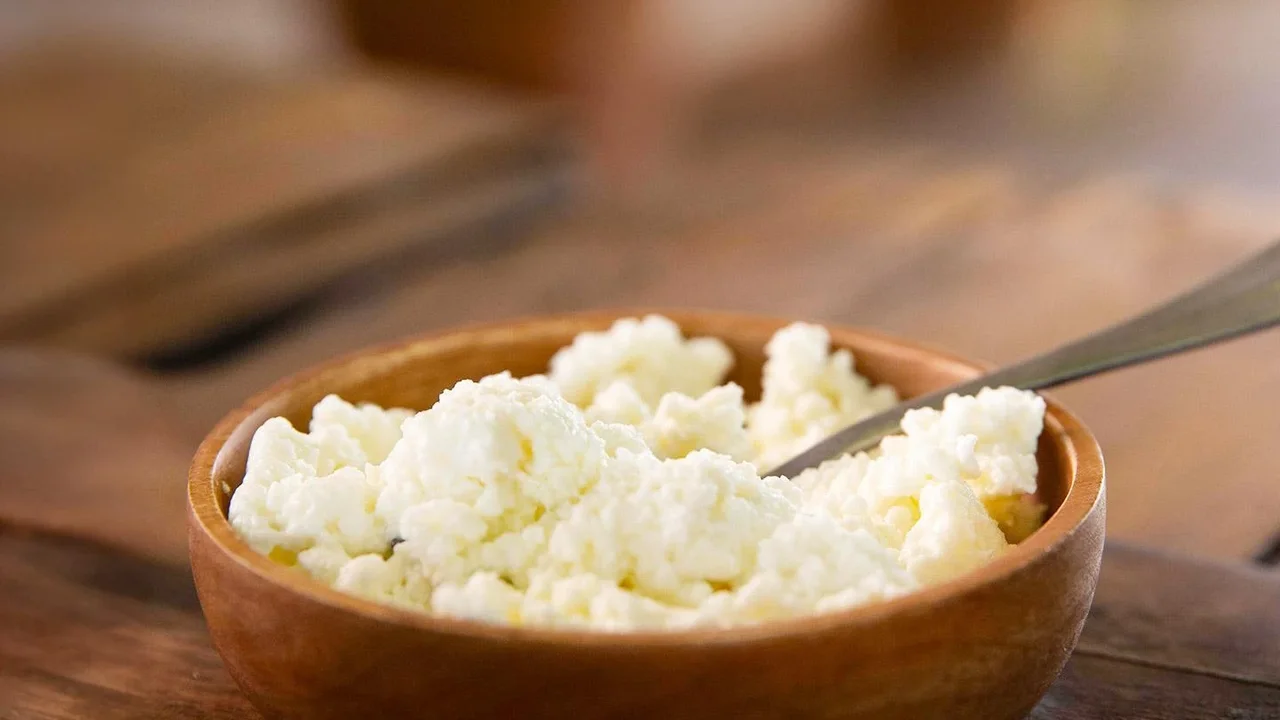
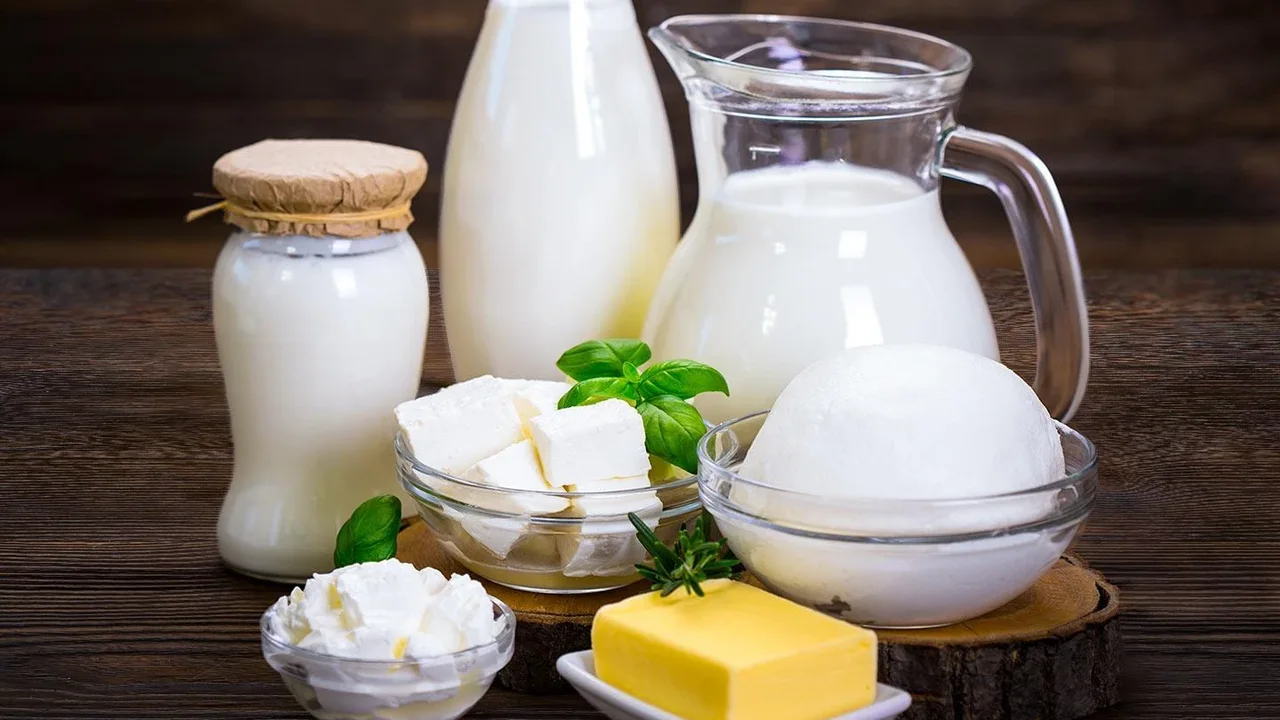
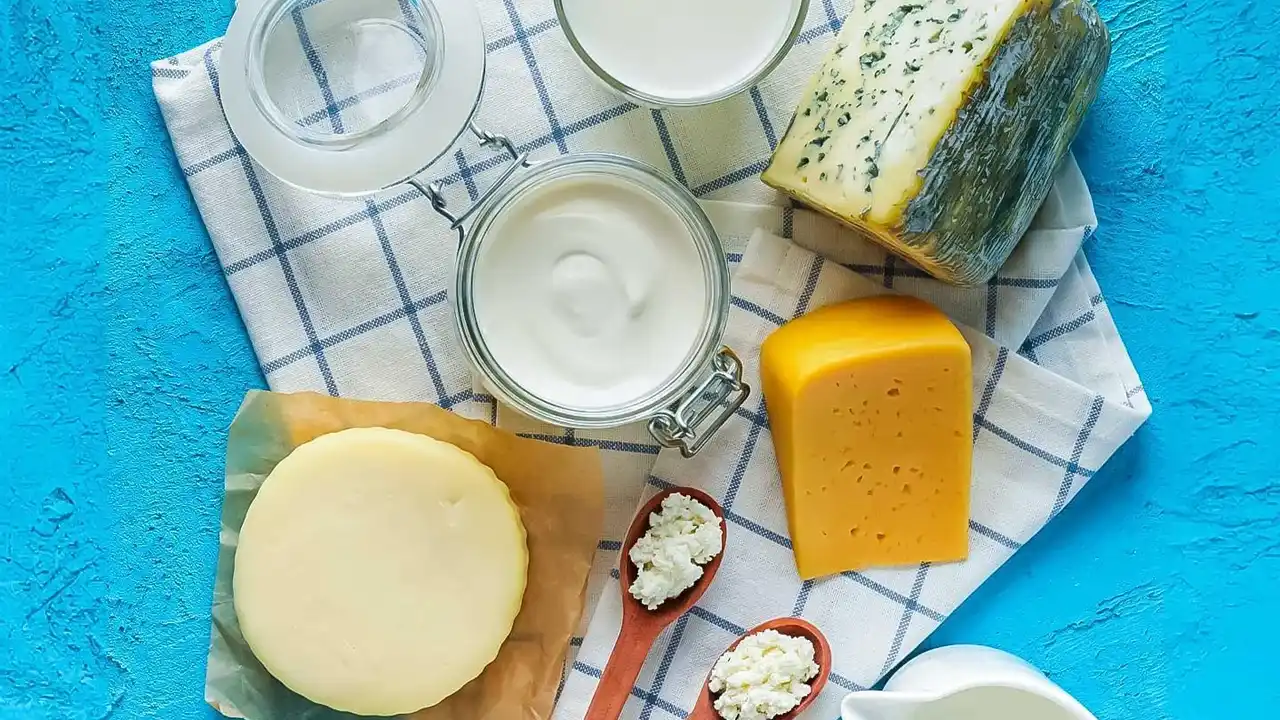
For decades, paneer has been a cornerstone of vegetarian Indian cooking, especially in the northern regions. This fresh, non-melting cheese is made by curdling milk with a food acid like lemon juice or vinegar, then pressing the solids into a block. Its
magic lies in its versatility; it has a subtle flavour that allows it to absorb the spices of any dish, and a firm texture that holds up to grilling, frying, and simmering in rich gravies. Traditionally, you’d find it starring in classic dishes like Palak Paneer, Matar Paneer, or the universally loved Paneer Butter Masala. But while these dishes are timeless, they only scratch the surface of what this humble cheese can do. The revival we're seeing today is all about looking at paneer with fresh eyes and pushing its culinary boundaries.
A Comeback Driven by Health
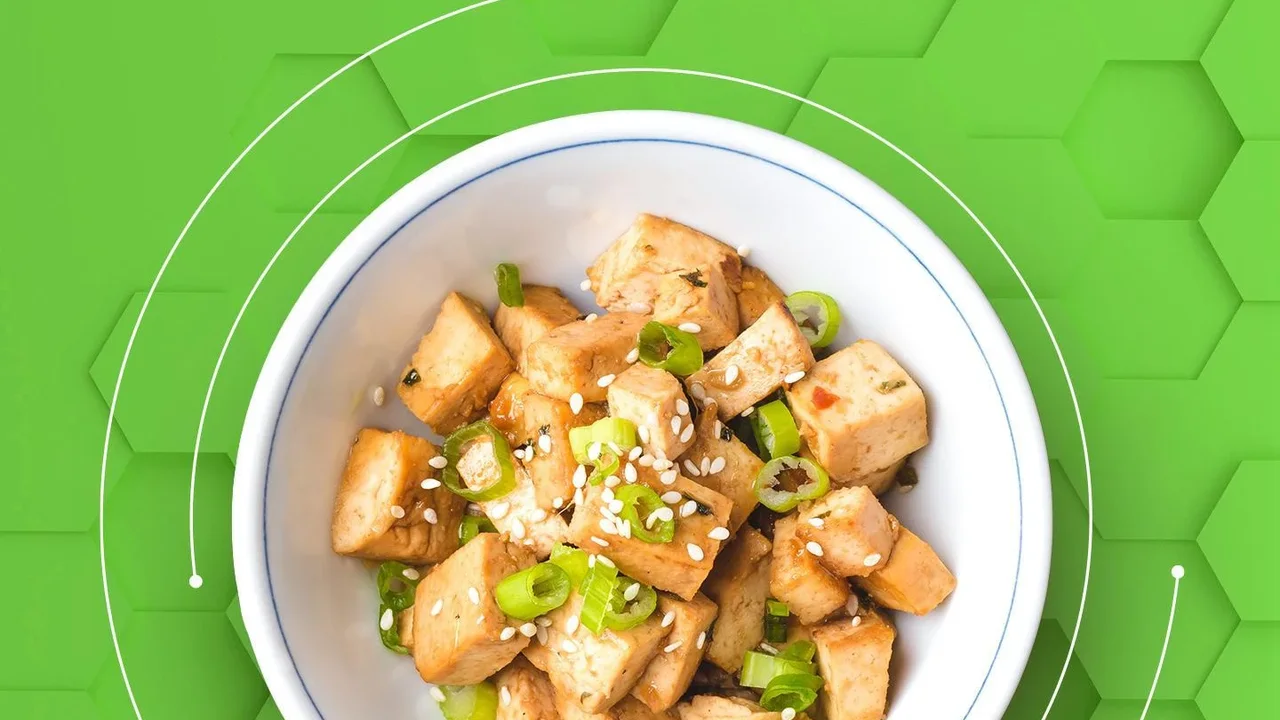
So, why the sudden surge in popularity? A big part of the story is health. As more people prioritise high-protein diets, paneer stands out as a vegetarian powerhouse. A 100-gram serving can pack a significant protein punch, often containing between 18 to 21 grams, making it an excellent choice for muscle repair and satiety. This nutritional profile has made it a go-to for those on low-carb or fitness-focused diets. Compared to its plant-based cousin, tofu, paneer generally offers a higher protein density. While tofu is lower in calories and fat, making it suitable for weight management, paneer's high protein and calcium content make it a fantastic option for building bone strength and fueling an active lifestyle.
Beyond the Curry Bowl
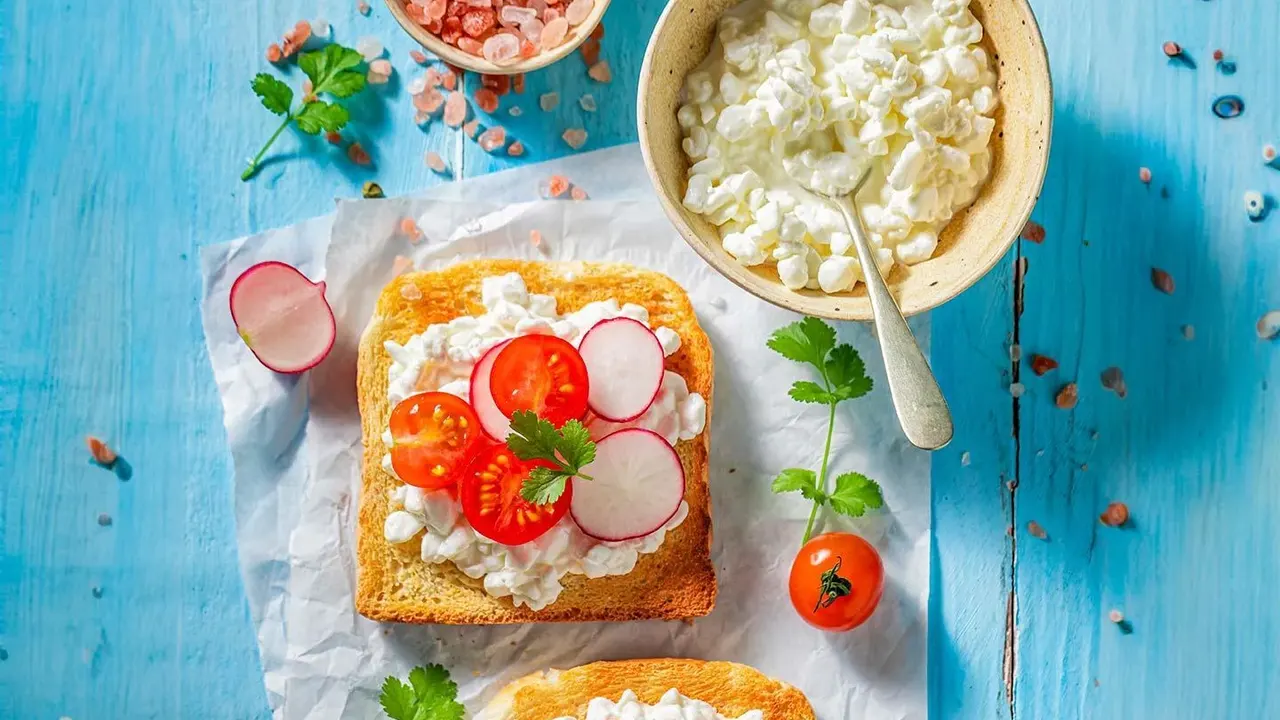
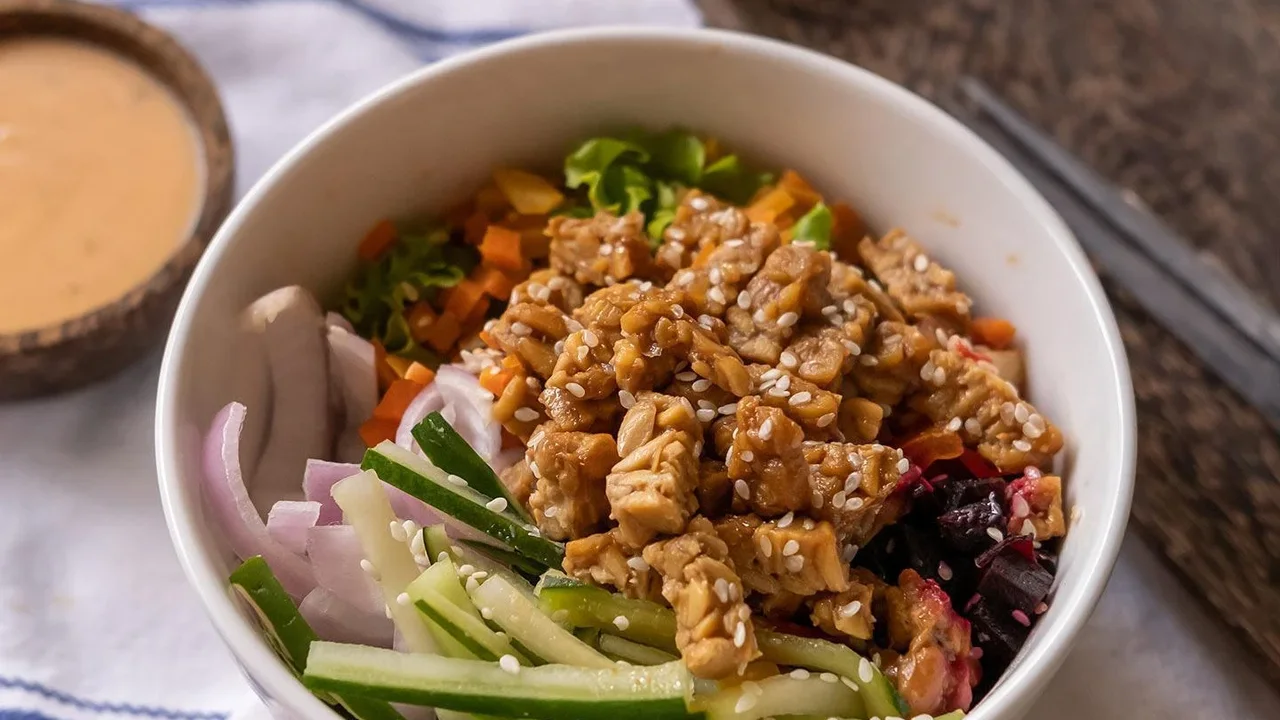
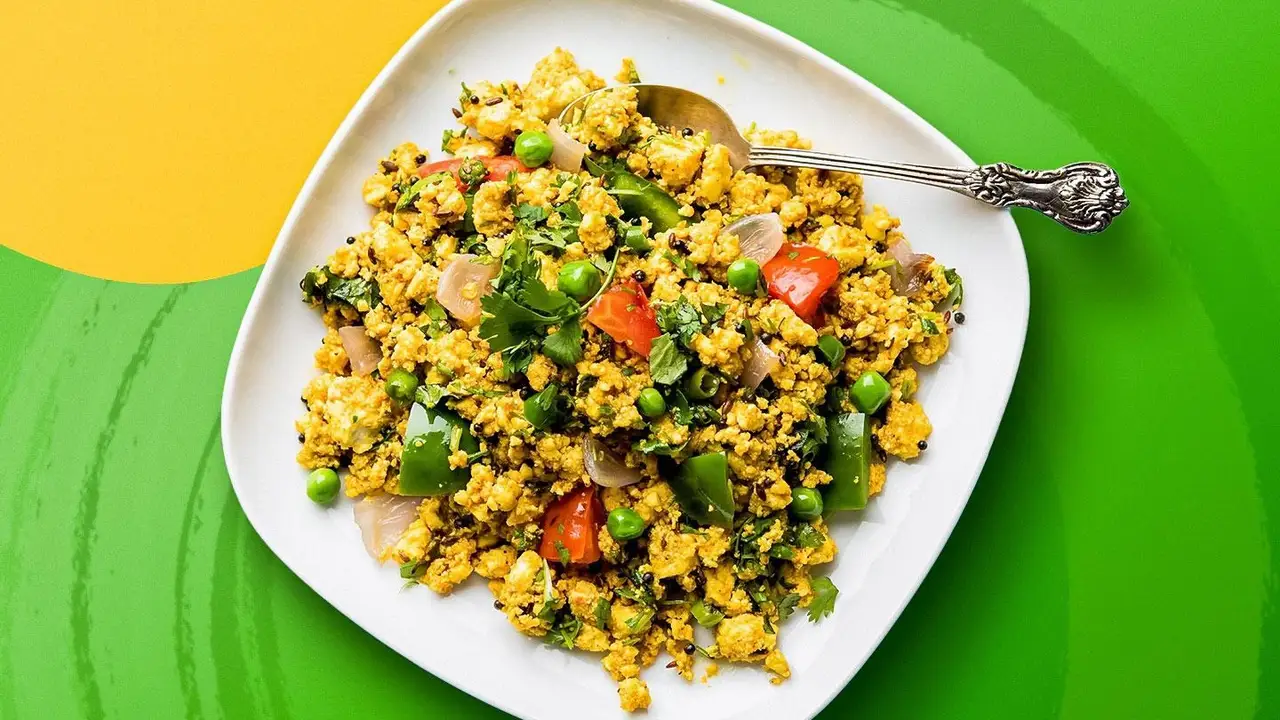
The most exciting part of this revival is the creativity it has sparked. Chefs and home cooks are moving paneer out of the main-course gravy and into every part of the meal. We're now seeing paneer in salads, baked into rolls, and used as a filling for stuffed bell peppers. Fusion cooking has embraced it wholeheartedly, leading to inventive dishes like paneer tacos, paneer-topped pizzas (or 'naanzas'), and even paneer shakshuka for a protein-rich breakfast. Its ability to be grilled or pan-fried until golden brown makes it a perfect addition to skewers and wraps, offering a smoky flavour and satisfying texture that rivals meat. Even classic appetisers like paneer tikka are being reimagined in sliders and open-faced toasts, proving its adaptability.
Paneer Goes Global
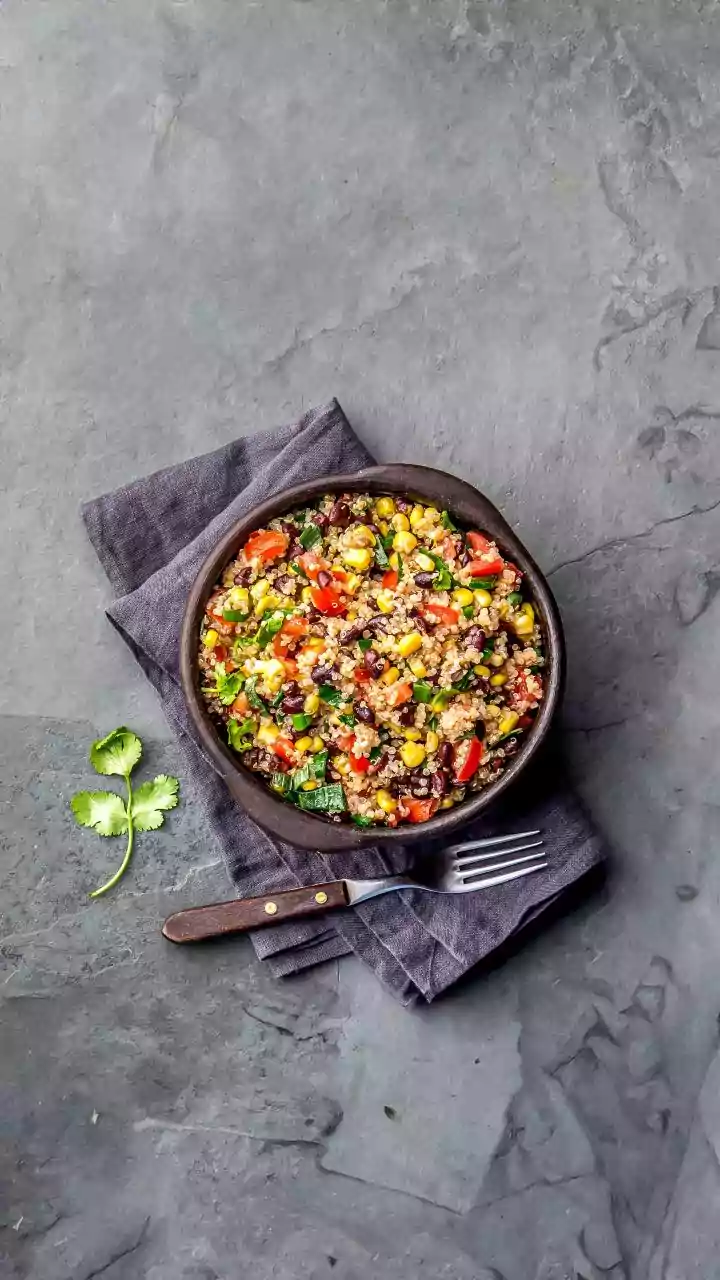
This isn't just a local trend. As Indian cuisine's popularity continues to grow around the world, paneer is finding a global audience. Once primarily found in North Indian kitchens, it is now a staple across South India and is appearing on menus in cities like London and New York. This global expansion is partly driven by the rise of vegetarianism and the search for delicious meat alternatives. Unlike many cheeses, paneer is firm and doesn't melt, making it a uniquely versatile ingredient that has captured the imagination of chefs creating everything from Sri Lankan-inspired 'devilled paneer' to innovative rolls stuffed with quinoa and paneer. A market analysis report from 2025 even projected substantial growth for the global paneer market, citing its high protein content and culinary adaptability as key drivers.